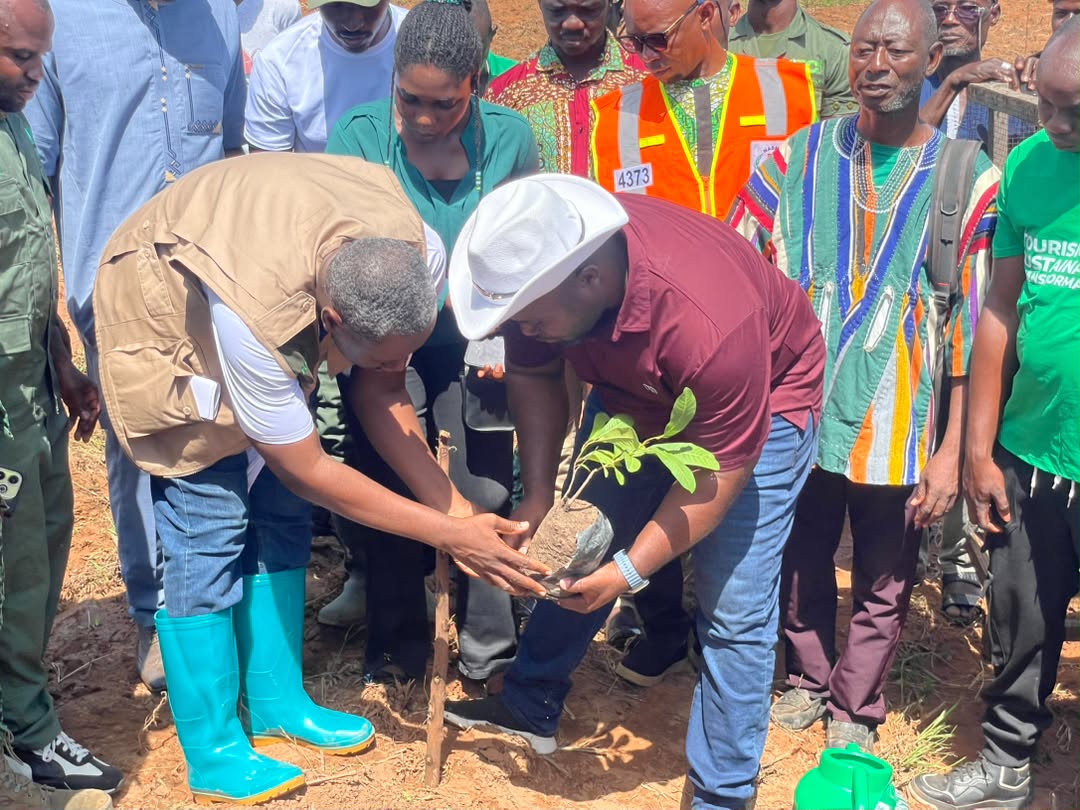

Damongo, 5th June, 2026 – The Hon. Savannah Regional Minister Salisu Bi-Awurbi has directed all Metropolitan, Municipal and District Assemblies (MMDAs) in the Savannah region to enact by-laws with punitive measures against commercial charcoal production as part of efforts to protect the environment and preserve the region’s forest resources.
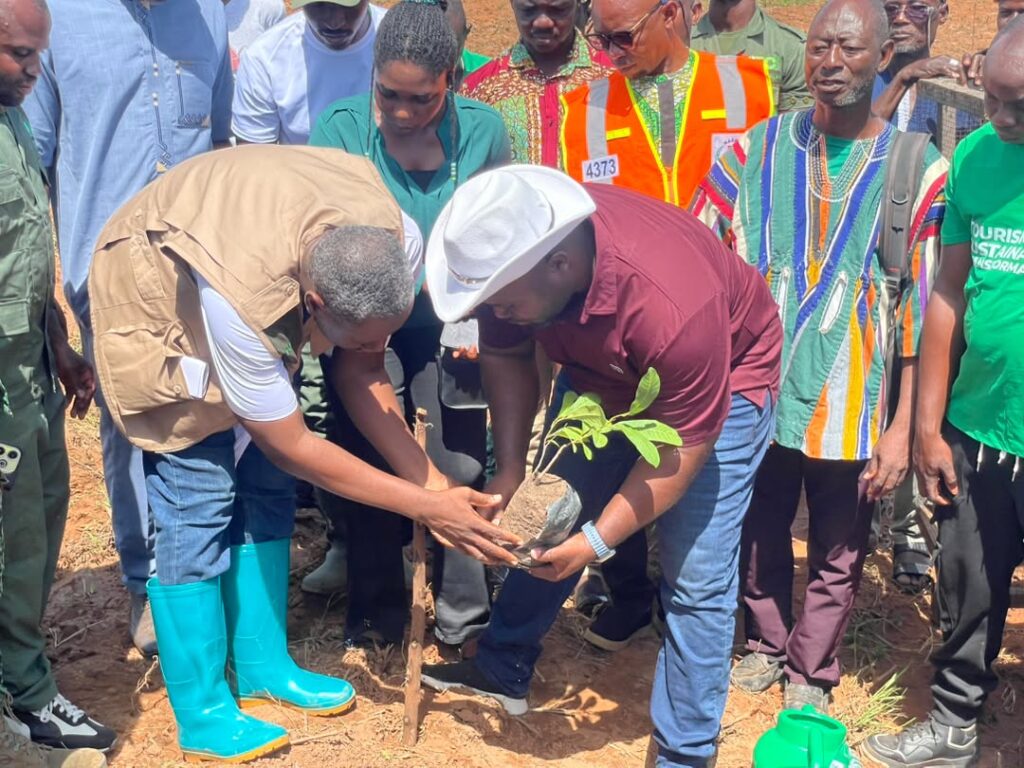
Speaking during this year’s tree-planting exercise, the Hon. minister expressed concern over the increasing destruction of trees for commercial charcoal production, describing the practice as a major threat to the region’s environmental sustainability.
He noted that while previous administrations had made efforts to curb indiscriminate tree felling, those measures were not backed by legislation.
He therefore charged all district assemblies to ensure that before the end of the year, their by-laws include sanctions to deter individuals and groups engaged in commercial charcoal production.
“I am directing all district assemblies that by the close of this year, we must see punitive measures captured in their by-laws to sanction commercial charcoal production,” he stated.
The Minister commended the Forestry Commission and stakeholders for their efforts in implementing last year’s tree-planting campaign, noting that Savannah Region performed creditably in meeting its targets.
According to him, the Green Ghana initiative should not be viewed as a one-day event or an activity limited to the rainy season. He urged residents to nurture planted trees throughout the year to ensure their survival.
“Today is only a ceremonial day to commence this activity. It should not end in June alone, nor should it end with the rainy season. If we are determined, we can water the trees even during the dry season and ensure they survive,” he said.
The Minister also appealed to traditional authorities, landowners and community members to join the fight against indiscriminate tree felling. He specifically called on chiefs and landowners who permit chainsaw operators to harvest trees for charcoal production to reconsider their actions, stressing that the environmental cost far outweighs the benefits.
He further condemned the practice of bush burning, warning that it continues to destroy the region’s flora and fauna and undermines conservation efforts.
As part of long-term environmental sustainability measures, the Minister encouraged communities to plant and protect trees with economic value such as mango, cashew and mahogany. He explained that communities are more likely to protect trees that provide direct economic benefits.
“Mango, cashew and mahogany are valuable trees that contribute to our livelihoods and economy. We should plant more of these species and protect them for future generations,” he emphasized.
The Minister concluded by urging all residents to become custodians of the environment and work together to safeguard the region’s natural resources.
“We must all be the necessary safeguards of our environment,” he said.
This version is suitable for radio, newspaper, online news portals, and official government communications.
On Friday, 21st March 2025, Ghana’s President, His Excellency John Dramani Mahama, launched the Tree for Life Initiative at Nkawie. This flagship government program aims to promote afforestation and agroforestry across the country and contribute to environmental sustainability, climate resilience, and improved livelihoods for communities.
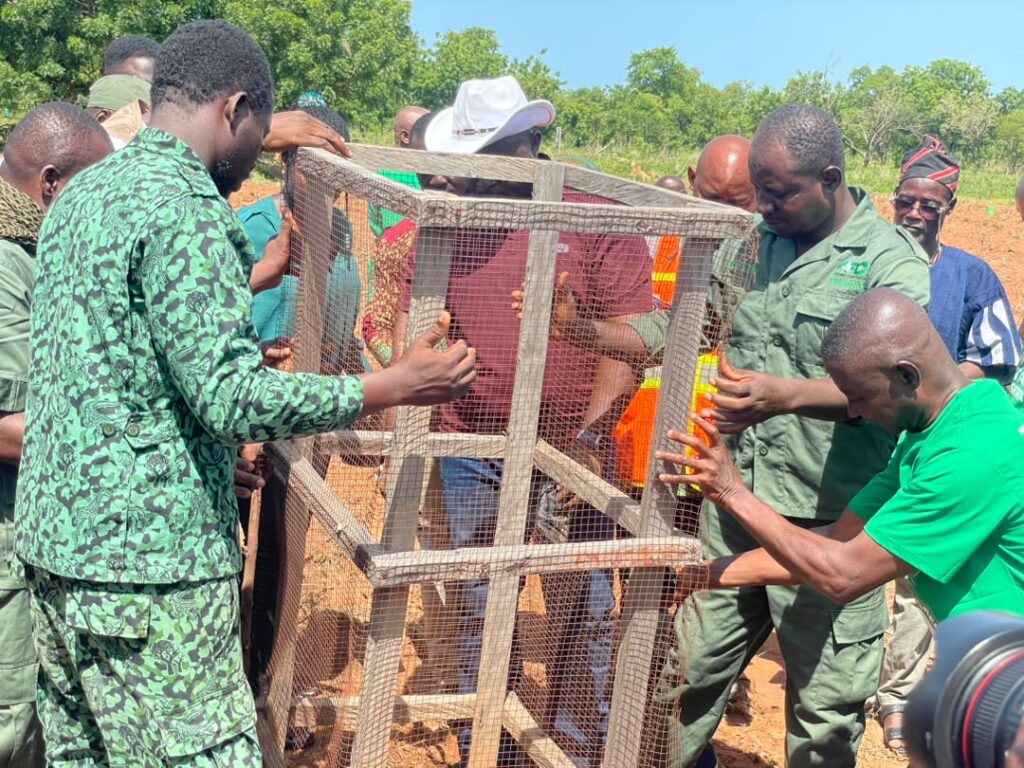
Mr. Adomako-Kwabia, Forestry Regional Manager, said the core objective of this initiative is to restore over 80,000 hectares (Eighty Thousand Hectares) of forest within four years, including the reclamation of mined-out lands.
This year, Ghana is planting Thirty Million trees nationwide from the 5th to 30th, June, 2026.
“The Savannah Region is expected to plant 300,000 trees in Off-Reserve areas and over 460,000 trees in our Forest Reserves.
This year’s theme, “Forests and Economies,” reminds us that forests are not only to provide environmental services but also economic resources. Healthy forests create jobs, support agriculture, provide raw materials, generate income for families, and sustain livelihoods for millions of people. As we restore our forests, we are also investing in stronger local economies, greater resilience, and a more prosperous future for our communities.
The Tree for Life program seeks to raise public awareness about the vital role trees play in sustaining ecosystems, protecting biodiversity, improving livelihoods, and mitigating the global effects of climate change.
After today, tree seedlings will be made available at the Damongo Agric College for distribution, he disclosed.