
By; Gogu Edwin
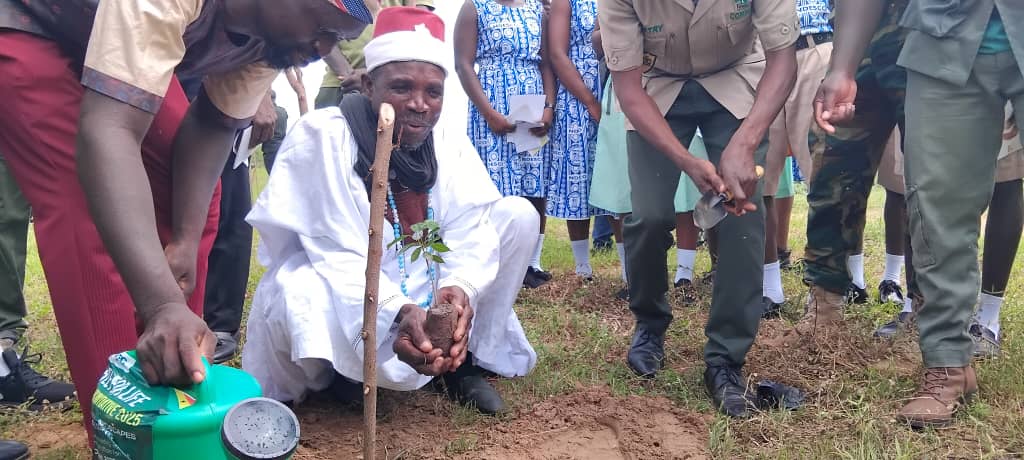
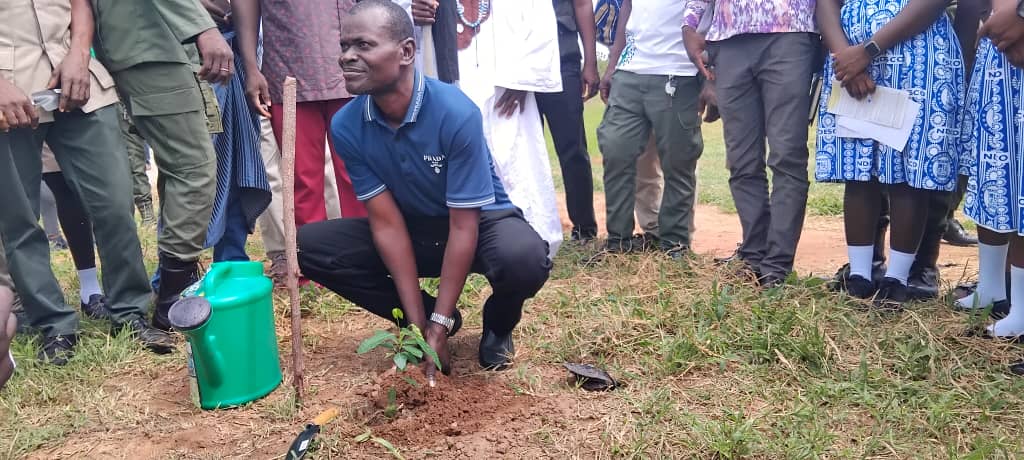
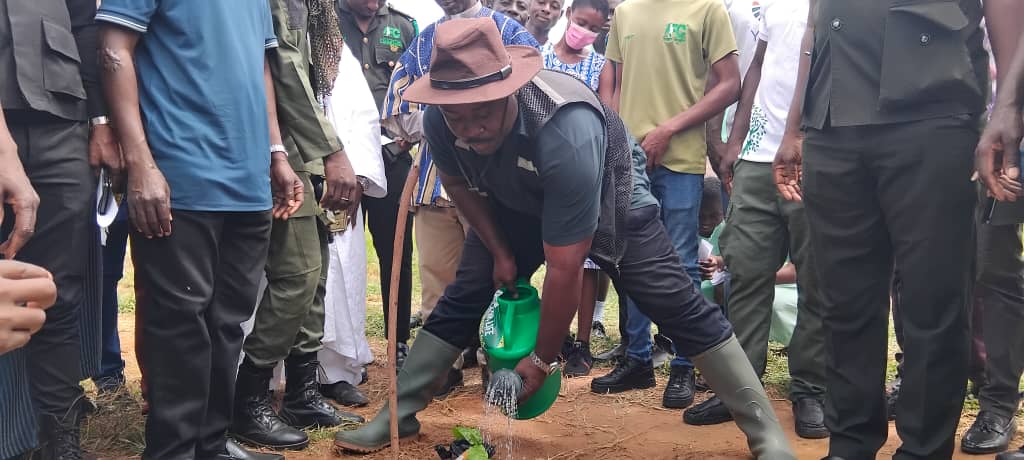
In a powerful display of environmental stewardship, the Savannah Region has officially launched the 2025 edition of the Tree for Life ceremonial planting program, aligning with the national theme: “Restoring Degraded Landscapes Across the Country.” on June 5, 2025, the commemorative ceremony, held in Damongo, the savannah regional capital, marked a major step toward combating deforestation and climate change, while also coinciding with World Environment Day.
The initiative, spearheaded by the Government of Ghana and championed by President John Dramani Mahama, aims to plant 30 million trees nationwide this year. The symbolic nationwide planting, launched simultaneously in various regions, seeks to reawaken public consciousness on the value of trees in sustaining life and livelihoods.
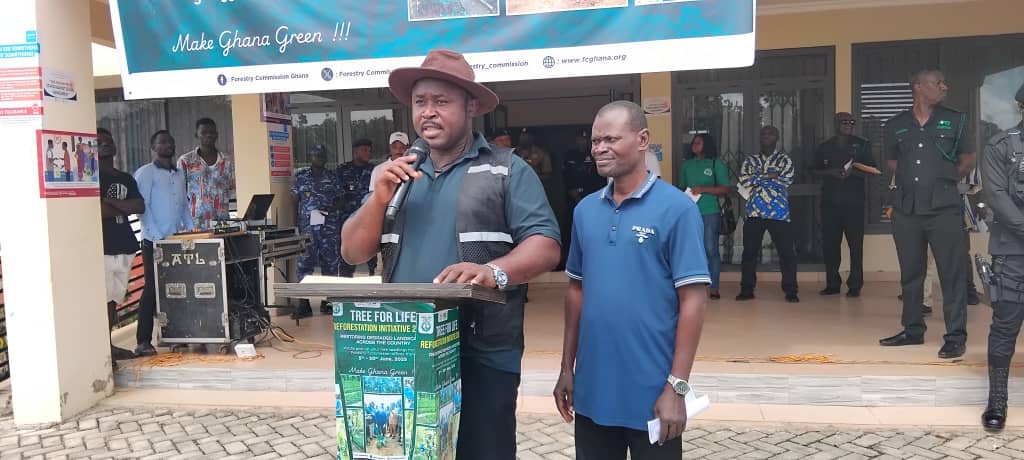
Delivering the keynote address, Savannah Regional Minister Hon. Salisu Be-Awuribe, emphasized the spiritual, ecological, and practical relevance of tree planting. He called on all participants to treat the exercise not merely as a ceremonial obligation but as a “religious duty” with lasting consequences for future generations.
“We are told that when the last tree dies, the last man perishes. So today, especially for our Muslim brothers and sisters on this holy day of Arafah, make your prayer that you will continue to plant and nurture trees not just today, but always,” he stated.
Hon. Be-Awuribe cautioned against the ongoing commercial charcoal burning in the Savannah Region, describing it as a “menace” contributing to rapid deforestation. He revealed ongoing engagements with metropolitan, municipal, and district assemblies to pass punitive bylaws to regulate and reduce indiscriminate tree felling for charcoal.
“It makes no sense for us to plant trees and at the same time cut down naturally grown ones. Yes, charcoal is an energy source, but it must be produced responsibly,” he stressed. “This year, we are not only planting; we will return to count the surviving trees before we plant more.”
The Regional Minister also made a passionate appeal to the Forestry Commission to ensure that trees planted in the region include indigenous economic species like shea and dawadawa, which are naturally suited to the local environment and can offer both ecological and economic benefits to rural communities.
“Let us not just plant alien species. Let’s promote sheanut, dawadawa and other native trees that thrive here and can sustain our people economically,” he noted.
Speaking at the event, Mr. Frank Adomako-Kwabia, the Savannah Regional Forestry Manager, reinforced the importance of the initiative, emphasizing that all tree seedlings are free of charge to the public.
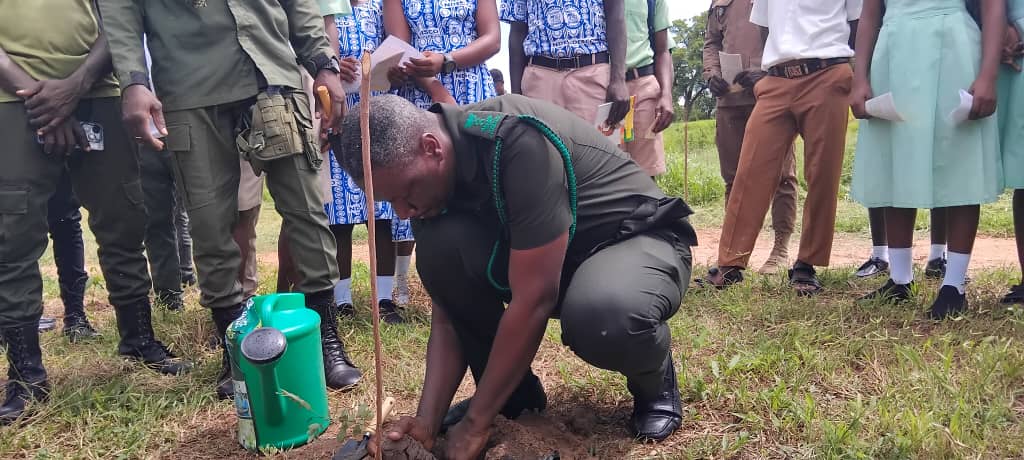
He encouraged individuals, institutions, and farmers to take advantage of the opportunity between now and the end of June, highlighting that seedlings such as cassia, mahogany, cashew, and, from mid-June, mango, coconut, and shea would be made available through the Agric College in Damongo and other designated outlets.
“This commemorative planting marks the official start of the tree planting season. Everyone, every Tom, Dick, and Harry must join in. Whether it’s in your home, school, farm, or roadside, get involved,” Mr. Adomako-Kwabia urged.
He echoed the “One Man, One Tree” mantra and asked that each individual aim to plant at least two trees during the planting period, reiterating the importance of nurturing them to maturity.
Stakeholders were also reminded that tree planting must go hand-in-hand with land reclamation, especially in areas affected by mining activities. “Miners must reclaim degraded lands with economic trees to restore our vegetative cover,” the Minister directed.
“As we gather to plant today, may we also gather to protect, nurture, and harvest the benefits for generations to come,” concluded Mr. Be-Awuribe.
The Tree for Life program has evolved into a national symbol of hope and renewal, offering a platform to engage all citizens in the fight against environmental degradation. With clear targets, community participation, and strong political will, this year’s edition promises to be one of the most impactful.
The occasion witnessed active participation from traditional leaders, security services, district assemblies, youth groups, students, religious institutions, and environmental agencies, all pledging support toward achieving the national target.