
By; Edwin Gogu
The West Gonja Municipal Assembly has reported significant progress across key sectors including education, health, agriculture, sanitation, and social protection in the first half of 2025, despite persistent challenges.
In education, the Assembly and the Education Directorate facilitated the successful celebration of the 2025 Independence Day in Damongo and Daboya, while also recording improved Basic Education Certificate Examination (BECE) performance, rising from 44.4% in 2023 to 47.4% in 2024. Other notable achievements include the organization of interschool quizzes and reading competitions, as well as participation in national reading contests where the municipality secured 3rd and 4th positions. Ongoing projects include the construction of classroom blocks and school infrastructure under DACF-RFG and GETFund.

On health, the Directorate reported no maternal deaths, reduced stillbirths, and a decline in neonatal mortality. Skilled delivery coverage rose from 67.5% in 2024 to 75.7% in 2025, while antenatal care coverage increased above 100%. Key health concerns, however, include rising teenage pregnancy, drug abuse among the youth, and unprofessional practices by some drug store operators. The Assembly has also completed the renovation of the Municipal Health Director’s bungalow and plans to expand CHPS compounds across underserved zones.
In the area of water and sanitation, the Assembly cleared major refuse sites at Canteen, YRA, and Busunu, with plans to extend similar works to Larabanga and Zongo. Eight communities have been submitted for Open Defecation Free (ODF) verification to strengthen the municipality’s sanitation drive.
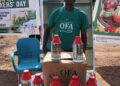
The agriculture sector saw support for over 2,500 farmers through fertilizer distribution, training on good agronomic practices, establishment of demonstration farms, and the distribution of 56,000 cashew seedlings. Women farmer groups also benefited from groundnut production training, while guinea keets were distributed to enhance poultry production.
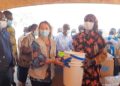
Under social protection, 5,025 beneficiaries across 73 communities received payments under the Livelihood Empowerment Against Poverty (LEAP) programme, amounting to GH¢7.76 million between January and August 2025. Beneficiaries were also supported to renew their National Health Insurance Scheme (NHIS) cards.
Despite the progress, challenges remain, including inadequate funds for educational projects, shortage of furniture in schools, rising health risks tied to drug abuse and poor sanitation, and housing difficulties for health staff.
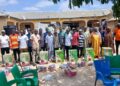
The Municipal Assembly has called on stakeholders, especially Zonal Councils, to intensify school monitoring and community support, stressing that collective effort is vital to sustaining the gains made in education, health, agriculture, and social welfare.