
By Abdulai Zulkaninu – January 29, 2026
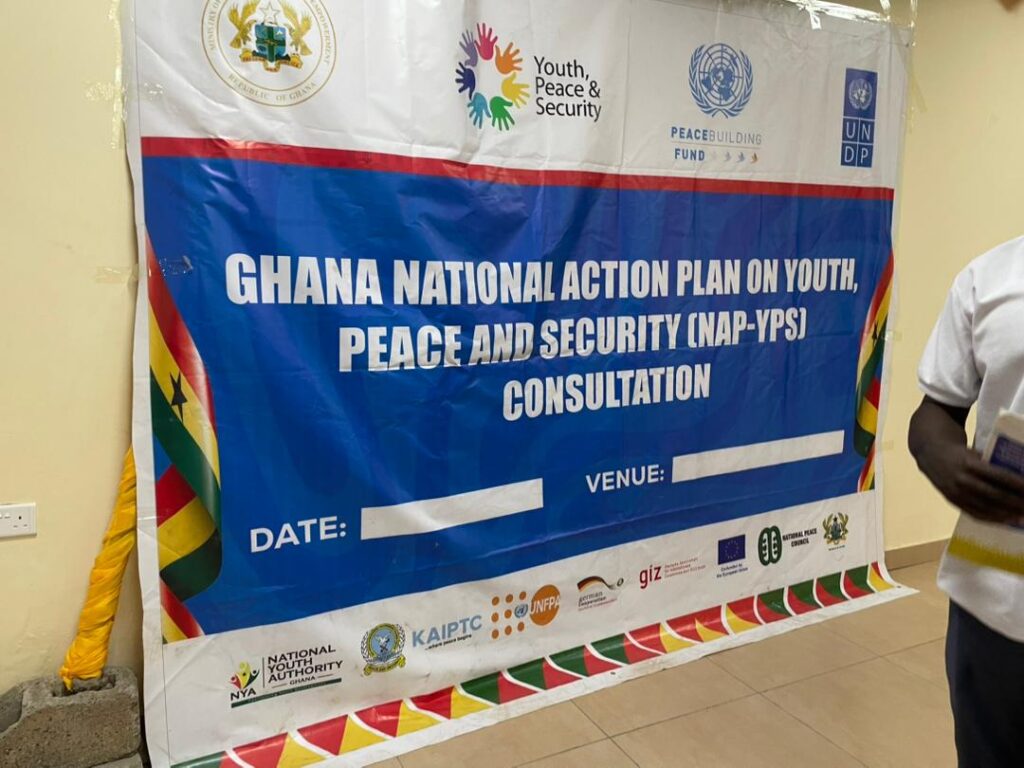
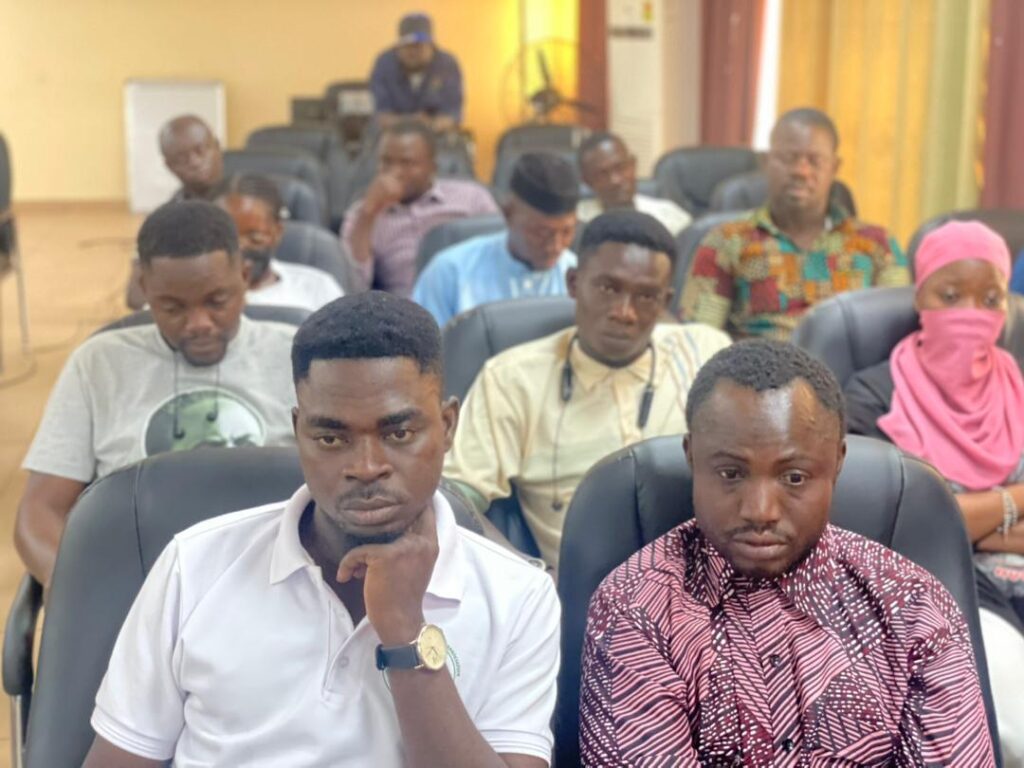
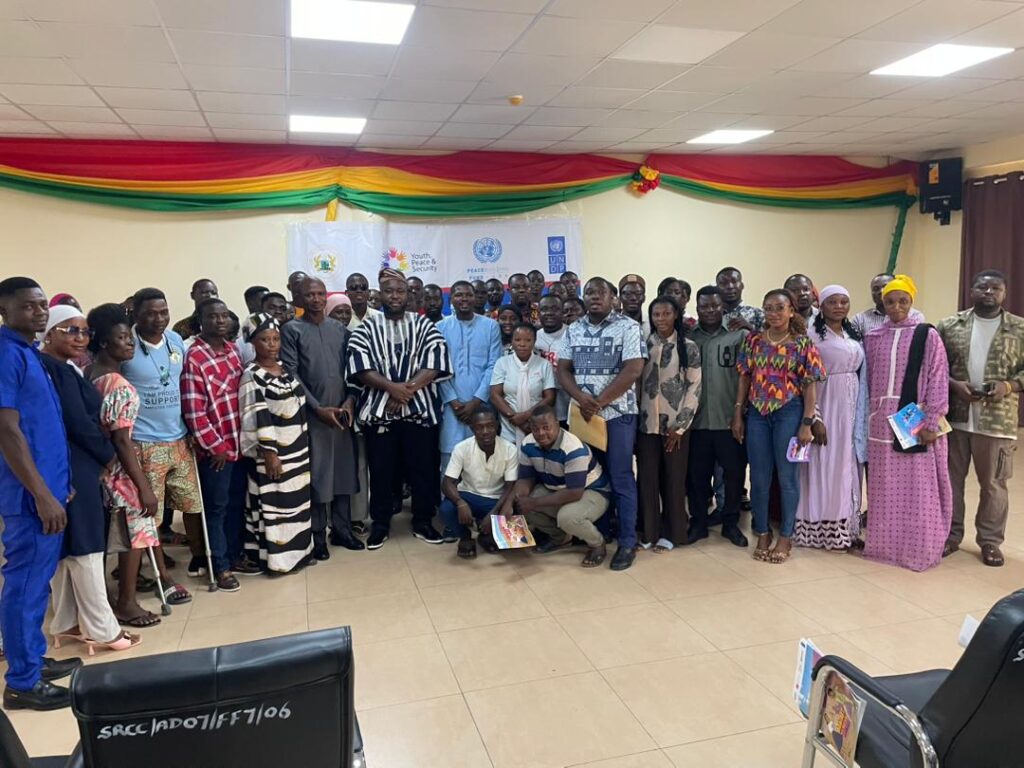
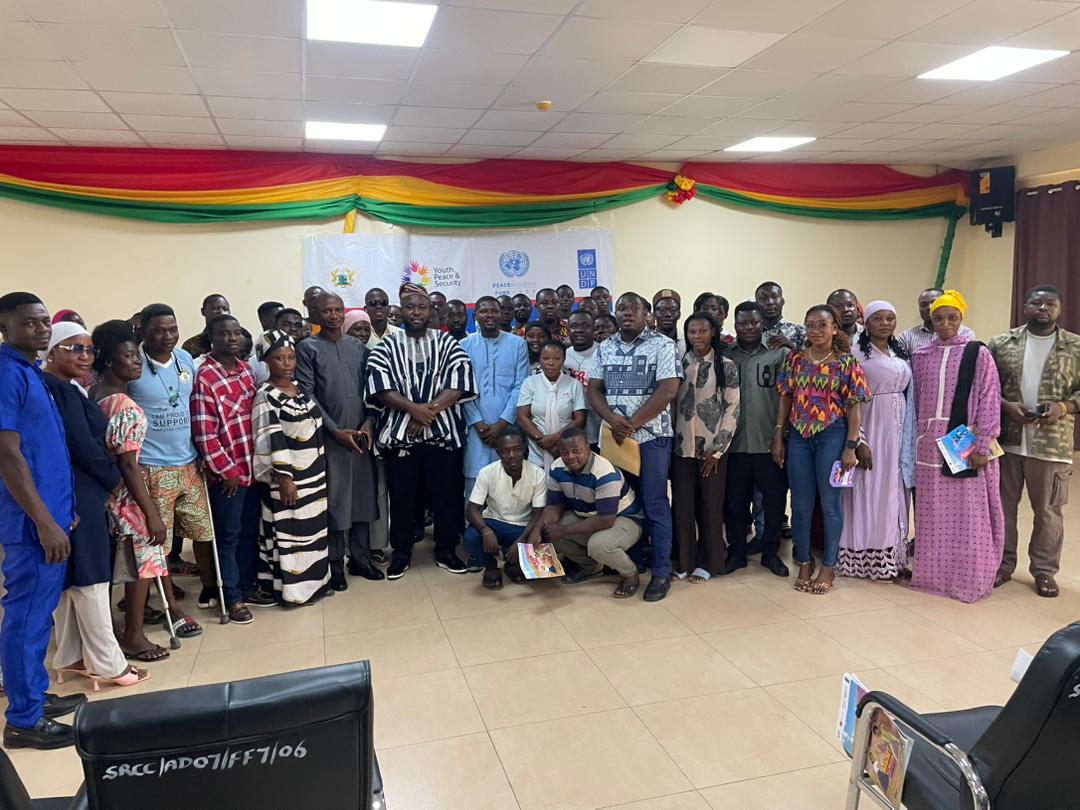
Stakeholders and youth groups from across the Savannah Region on Thursday converged in the regional capital for a conference on the National Action Plan on Youth, Peace and Security (NAP-YPS).
The conference, held on January 29, 2026, was organized by the National Youth Authority in collaboration with key partners and aimed at deepening youth participation in peacebuilding and national development.
The event was supported by the Peacebuilding Fund, the United Nations Development Programme (UNDP), the Kofi Annan International Peacekeeping Training Centre (KAIPTC), GIZ, the European Union (EU), and the National Peace Council.
Participants drawn from diverse youth groups and backgrounds within the region engaged in discussions on the Youth, Peace and Security (YPS) agenda, which is anchored on the United Nations Security Council Resolution (UNSCR) 2250 adopted in 2015, as well as Resolutions 2419 (2018) and 2535 (2020).
These resolutions recognize and promote the positive role of young people in conflict prevention, peace processes, conflict resolution, and peacebuilding.
The rationale behind Ghana’s National Action Plan on Youth, Peace and Security is to outline concrete steps toward domesticating UNSCR 2250 (2015), UNSCR 2419 (2018), and UNSCR 2535 (2020), while ensuring sustained and coordinated actions at national and regional levels.
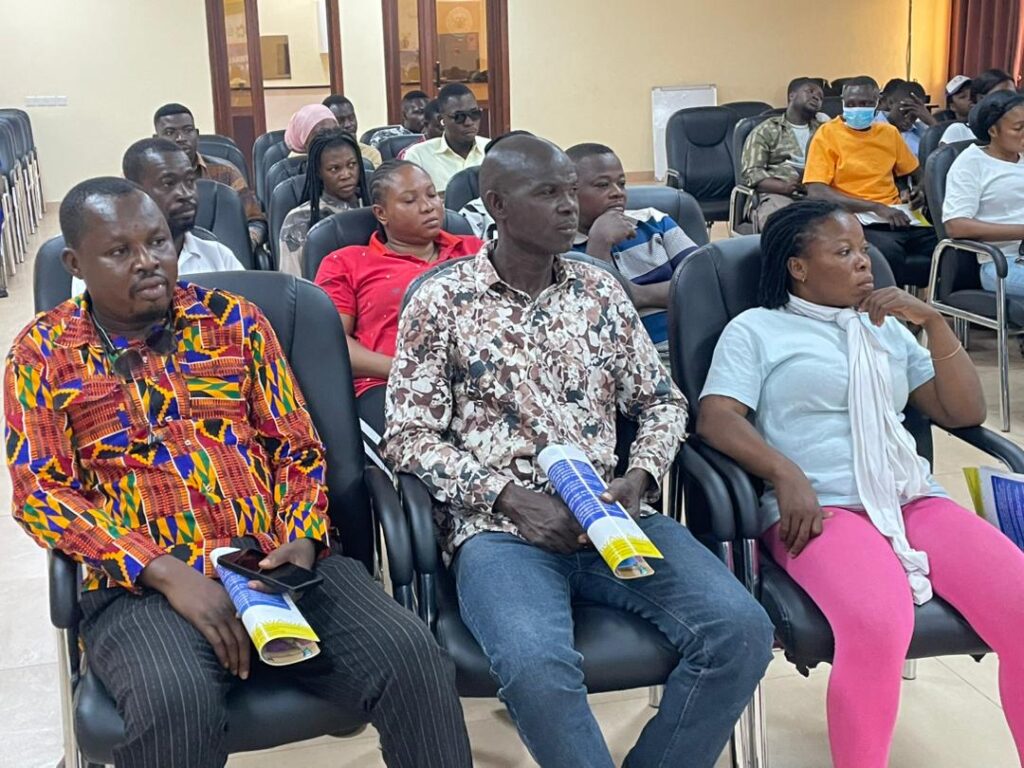
During the conference, participants were divided into groups and tasked to deliberate on specific pillars including protection, prevention, participation, disengagement, and reintegration. The discussions focused on identifying challenges peculiar to the Savannah Region and proposing practical solutions to be incorporated into the National Action Plan.
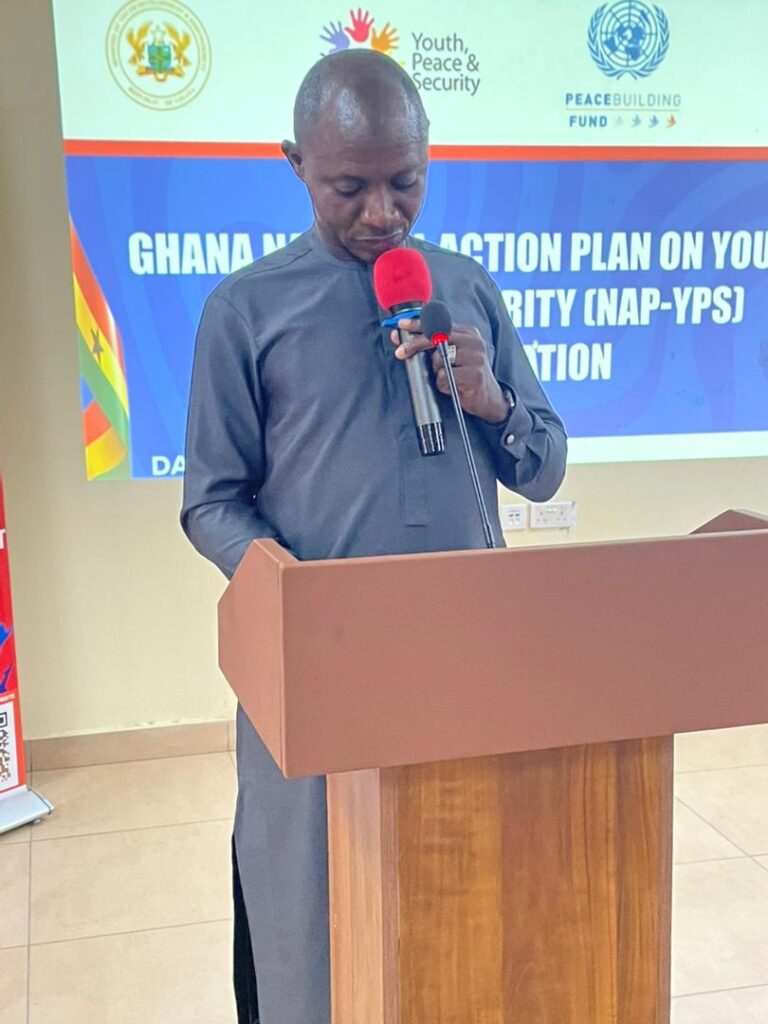
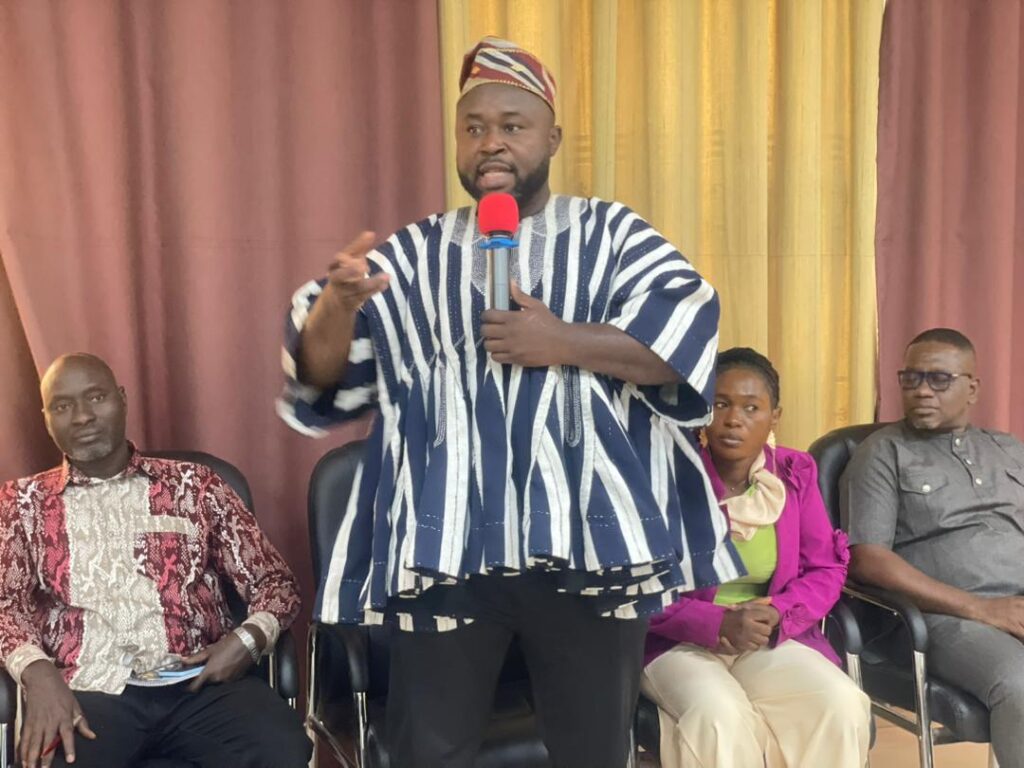
Addressing the gathering, the Savannah Regional Minister, Hon. Salisu Bi-Awuribe, emphasized that young people are leaders of today, not tomorrow, and therefore must take active interest in contributing meaningfully to national development.
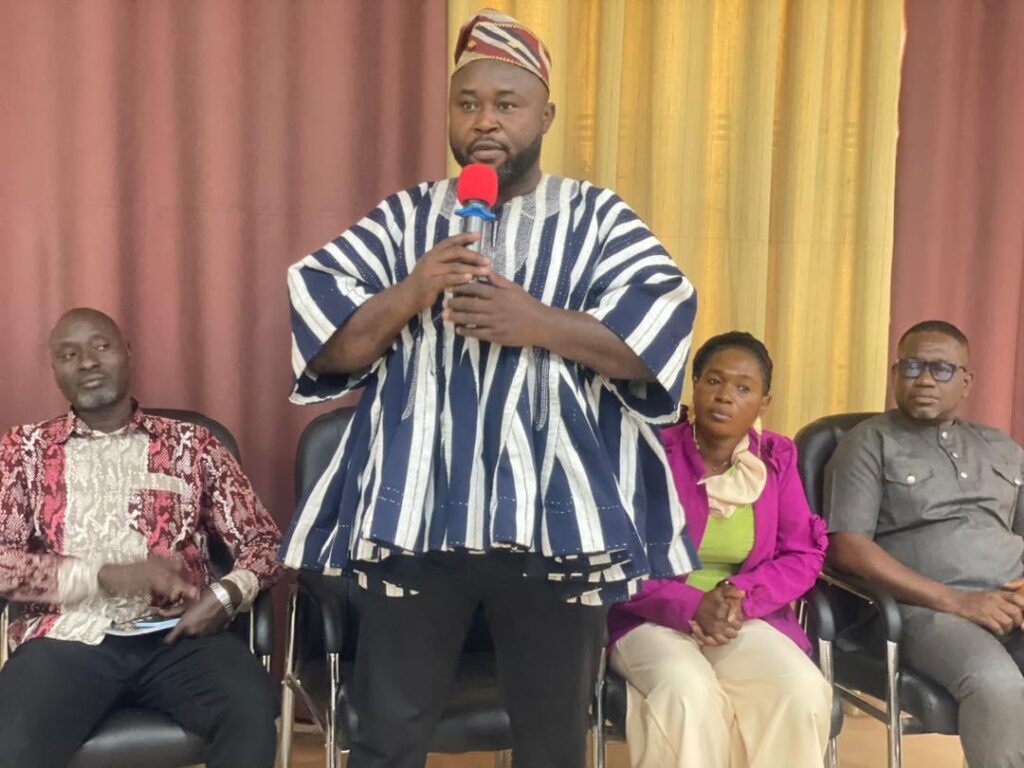
He underscored the importance of job creation and youth empowerment, encouraging the youth to invest in self-development and explore small-scale economic ventures as pathways to sustainable livelihoods.
Hon. Bi-Awuribe further highlighted several ongoing government initiatives and programmes being implemented by various agencies, urging young people to take advantage of available opportunities. He noted that many of these opportunities do not necessarily require formal education or specialized skills, but rather commitment, hard work, and willingness to be engaged.
The Regional Minister also cautioned the youth against illicit drug use and called on them to support government efforts in combating drug abuse, cybercrime, and other social vices that threaten peace and security.
Welcoming participants, the Savannah regional National Youth Authority Director, Adam Rashid commended the youth and appealed to them to contribute meaningfully to the program. He said the youth are today and tomorrow leaders of the country and must strategize to meet growing opportunities.
The conference ended with a renewed commitment by participants to play active roles in peacebuilding and the promotion of stability within the Savannah Region and beyond.