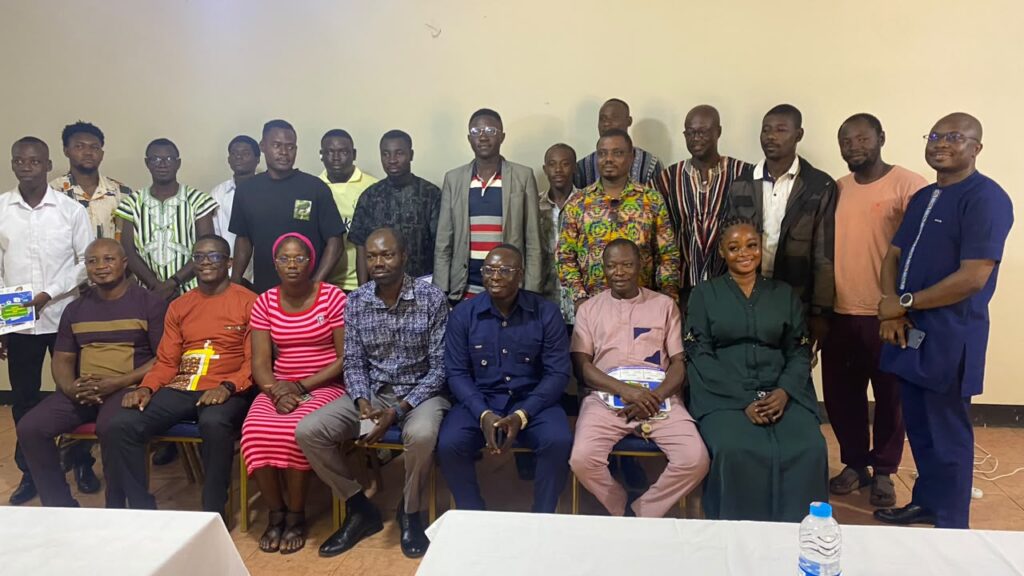
The Energy Commission of Ghana has engaged hotel and guest house managers in the Savannah Region as part of efforts to promote energy efficiency, energy conservation and compliance with new energy efficiency regulations in Ghana’s hospitality sector.

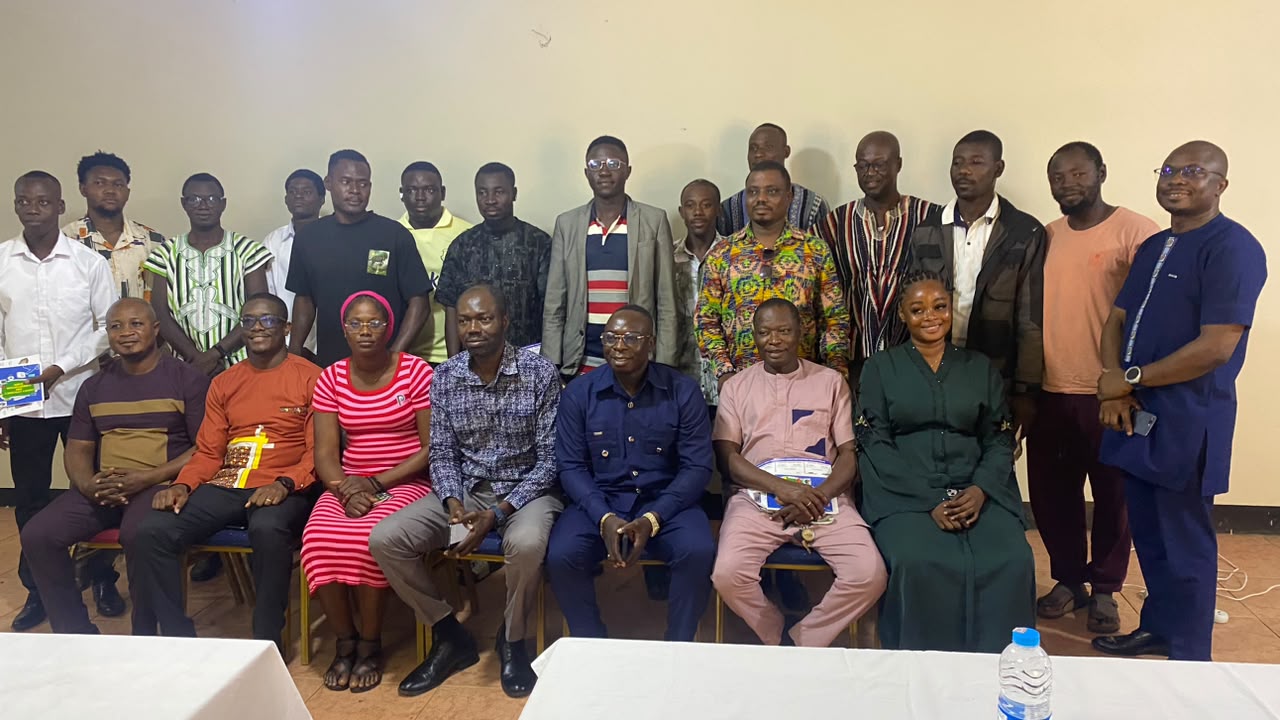
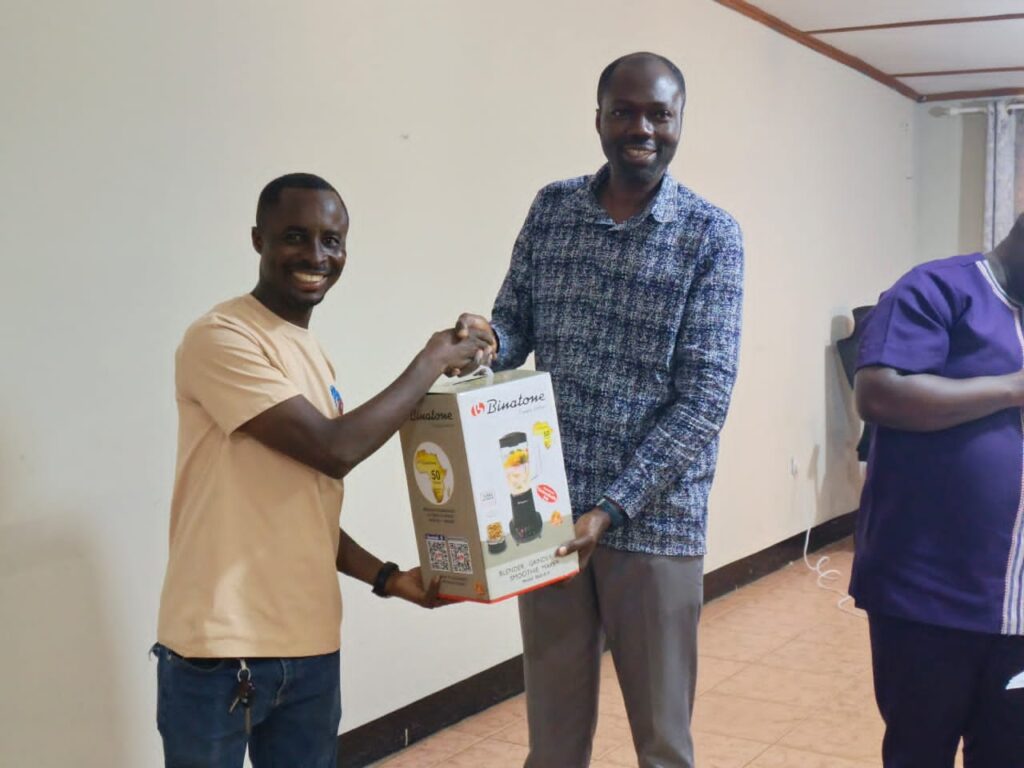
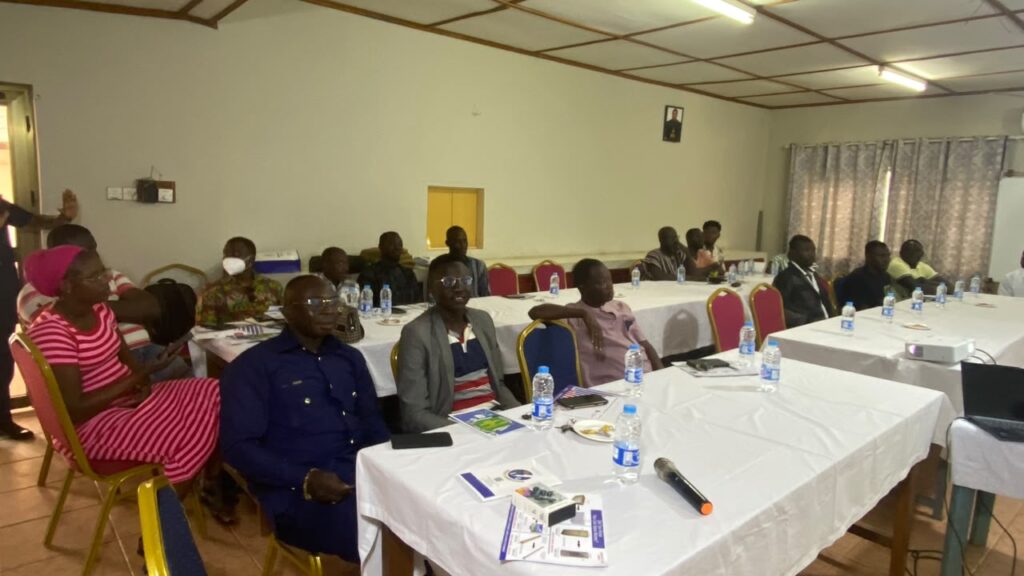
The stakeholder engagement and training programme, held on Monday, August 10, 2026, at the Unity Centre Conference Hall in Damongo, brought together participants from hotels and guest houses across the Savannah Region.
The initiative forms part of the Energy Commission’s broader programme to equip hospitality sector operators with the knowledge and skills needed to reduce energy consumption, lower electricity bills and promote sustainable energy management practices.
Monday, August 10, 2026
The Commission, in partnership with the Ghana Hotels Association, began the stakeholder engagement programme in 2025, covering selected regional capitals including Accra, Cape Coast, Takoradi, Ho, Koforidua, Kumasi and Sunyani.
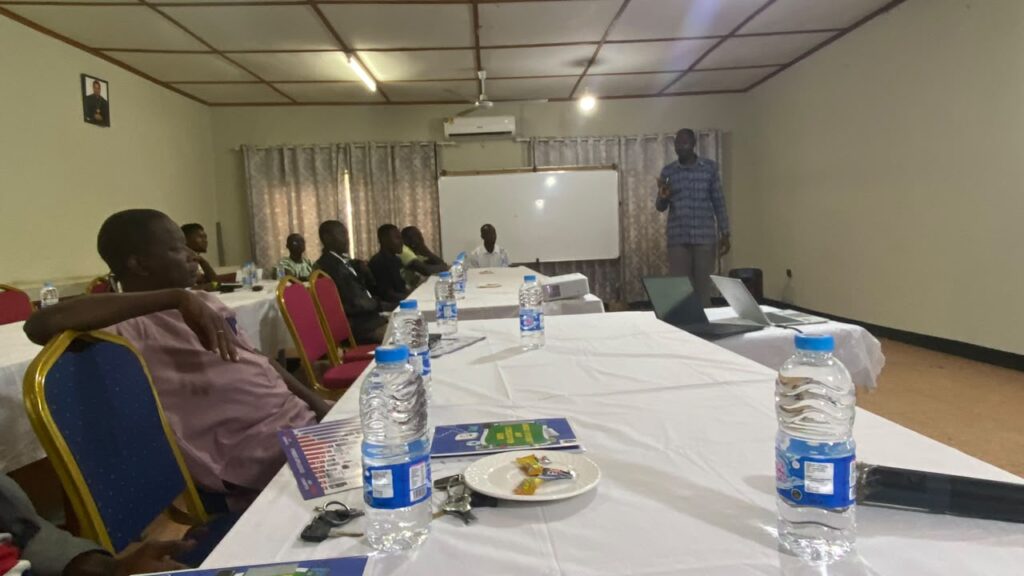
The 2026 phase is extending the programme to other regional capitals and selected cities, including Techiman, Tamale, Bolgatanga, Damongo, Wa, Sefwi Wiawso, Goaso, Hohoe, Winneba and Nkawkaw.
The hospitality sector is considered a major consumer of electricity due to its extensive use of air conditioners, refrigerators, lighting systems, laundry equipment, kitchen appliances and other energy-intensive facilities.
Speaking to the media after the engagement, Mr. Hubert Nsoh Zan, Manager, Energy Efficiency Regulations at the Energy Commission.of.Ghana said the programme was intended to empower hotel managers to use energy more efficiently and reduce their electricity bills.
He explained that the Commission had identified hoteliers as an important stakeholder group because of the sector’s high electricity consumption.
“Most managers in the hotel fraternity or hospitality industry are using a lot of electricity and pay absurd amounts of bills. One of the key factors to consider is energy efficiency and energy conservation,” he said.
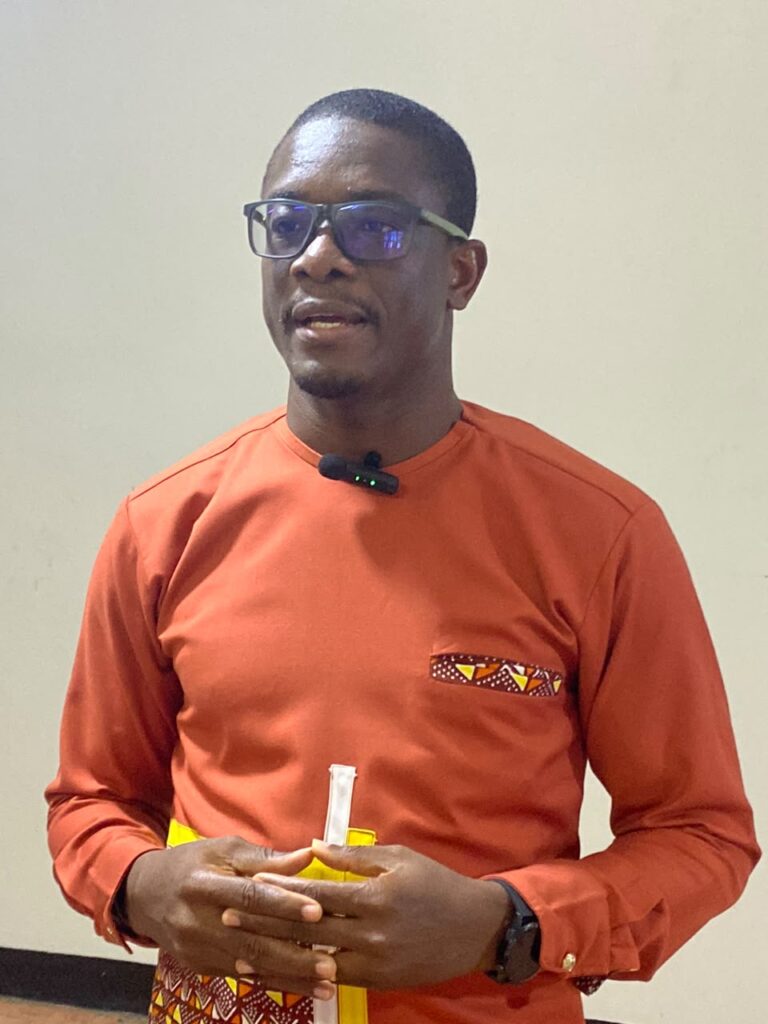
According to Mr. Zan, the Commission engaged the southern sector in 2025 and is focusing on the northern sector in 2026, with Damongo serving as its first stop in the Savannah Region.
He said the training would help hotel managers become champions of energy efficiency by equipping them with practical knowledge on energy conservation, regulatory requirements and the selection of energy-efficient appliances.
Particular attention, he noted, was being given to appliances such as air conditioners, refrigerators, microwave ovens and electric kettles, which can account for significant energy consumption in hotels.
Mr. Zan urged hotel managers and other electricity consumers to pay close attention to energy labels when purchasing appliances.
He emphasised that purchasing an energy-efficient appliance alone does not guarantee energy savings, stressing that user’s behaviour and operational practices also play a critical role.
“You can buy the most efficient appliance, but the way you use it, your behaviour will indeed determine whether the product will be efficient or not,” he explained.
Using refrigerators as an example, he cautioned against practices such as opening refrigerators unnecessarily or installing them too close to heat-producing appliances, which can increase energy consumption despite the refrigerator being energy efficient.
The training therefore sought to promote both energy efficiency and energy conservation, with the Commission stressing that responsible energy use could help households and businesses save money while reducing pressure on the national electricity grid.
Participants were taken through four major presentations during the engagement.
Ing. John Adjei delivered a presentation on Understanding the Basics of Energy, while Mr. Richard Donkor took participants through Understanding Energy Efficiency, Energy Conservation, Energy Management, and Their Application in the Hotel and Hospitality Sector.
Mr. Hubert Zan presented the Highlights of the New Energy Efficiency Regulations, while another presentation focused on the Introduction to Tariff Reckoner and Estimator and Their Application in the Hotel and Hospitality Sector.
The programme also forms part of the Commission’s effort to translate regulatory requirements into practical energy-saving actions within the hospitality industry.
As part of the broader initiative, the Energy Commission is also using findings from walkthrough energy audits conducted at selected hotel facilities in Accra in 2025 to demonstrate practical opportunities for reducing energy consumption.
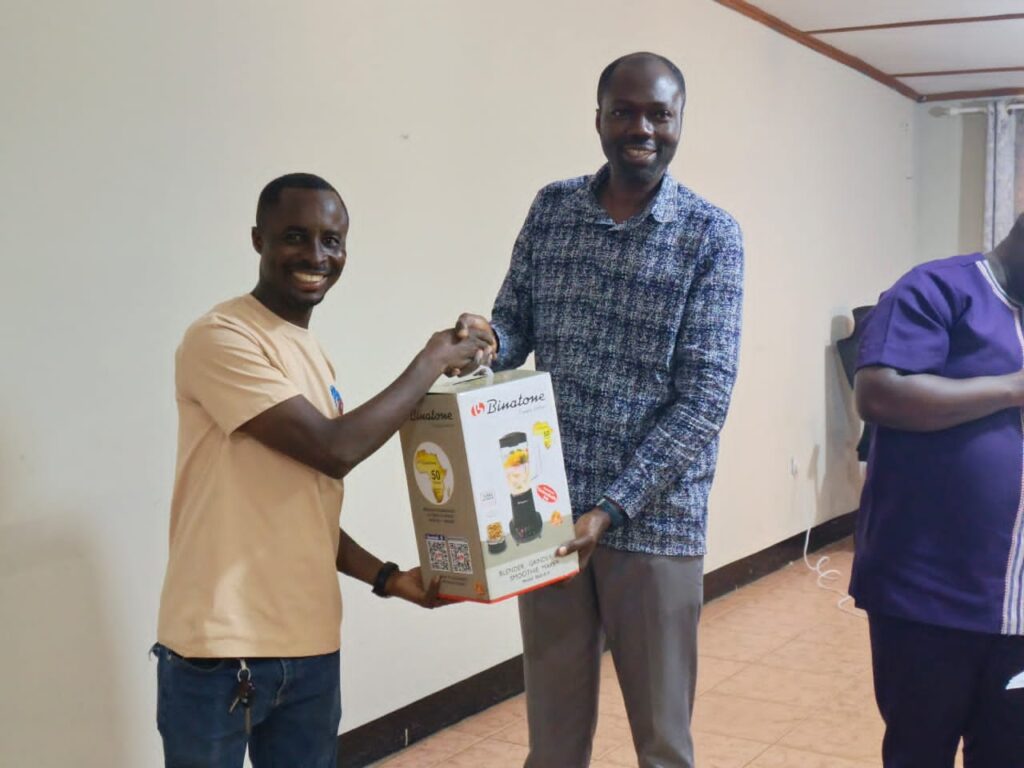
The Commission believes that improved energy efficiency in hotels will not only reduce operational costs but also enhance competitiveness, reduce greenhouse gas emissions and contribute to Ghana’s broader environmental and climate commitments.
Mr. Zan reiterated the Commission’s message to electricity consumers: “No label, no good.”
He encouraged hoteliers and the general public to consider energy efficiency when procuring electrical appliances and to adopt responsible energy-use habits.
He said the ultimate objective was to ensure that Ghanaian consumers, particularly hotel managers, keep more money in their pockets by paying less for electricity while contributing to the sustainable management of the country’s energy resources.
Source:Padfm.com.gh/Kumatey Gorden/0243531604