

The Ghana Investment Promotion Authority (GIPA) has identified agro-processing, commercial farming, livestock rearing and inland repair ports as key investment opportunities capable of driving economic transformation in the Savannah Region.
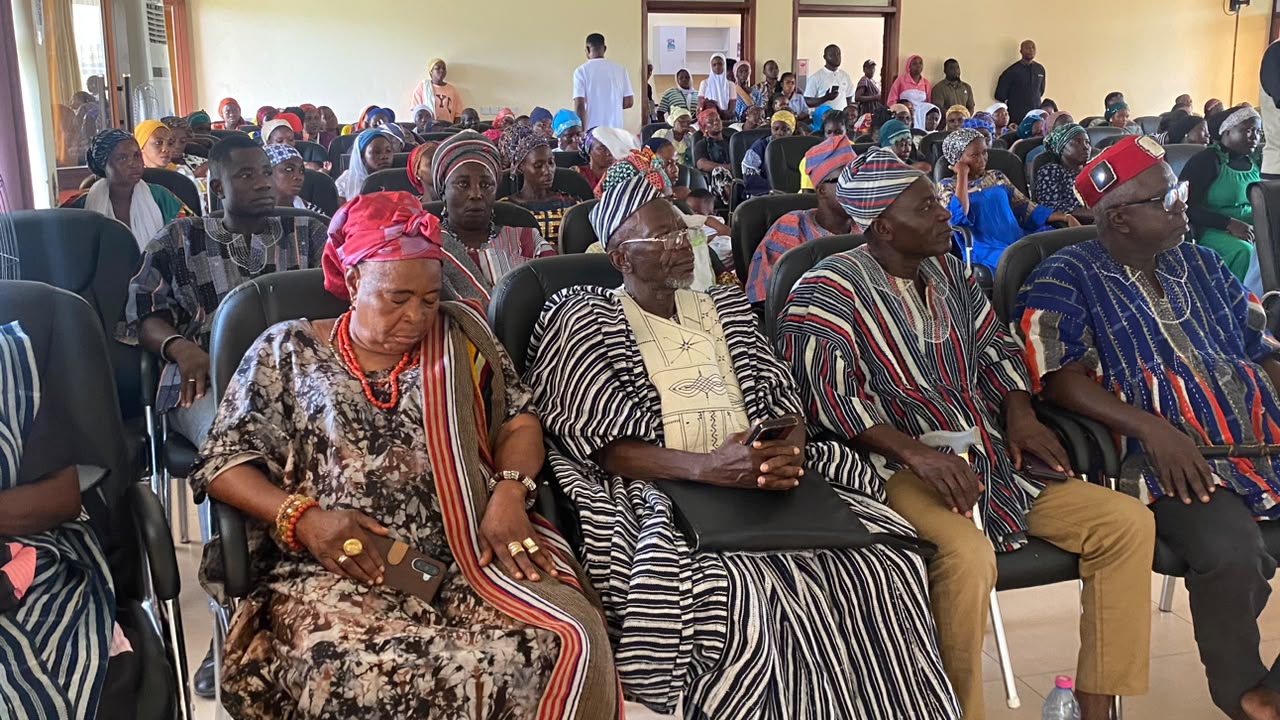
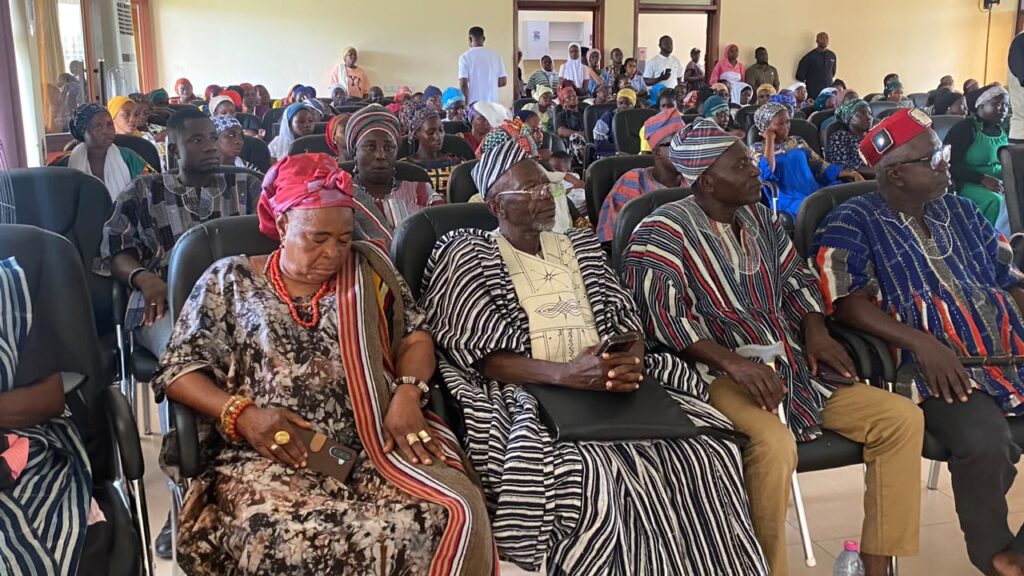
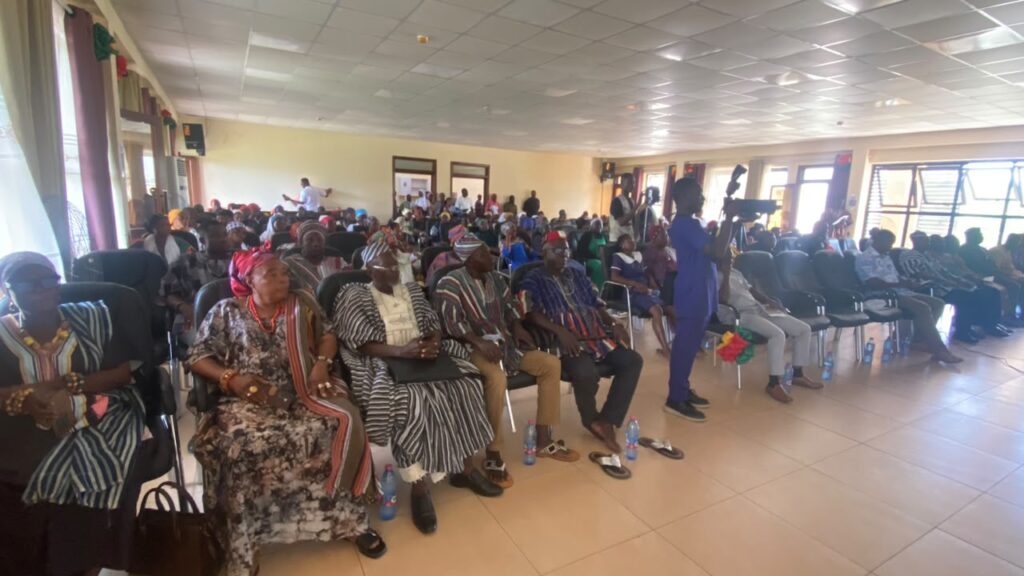
The opportunities were highlighted during the Savannah Regional Investment Forum held on Thursday, October 22, 2026, at the Regional Coordinating Council (RCC) Conference Centre in Damongo.
The forum formed part of GIPA’s nationwide Investment Opportunities Mapping Project, which seeks to identify, document and promote viable investment opportunities across the country to attract local and international investors.
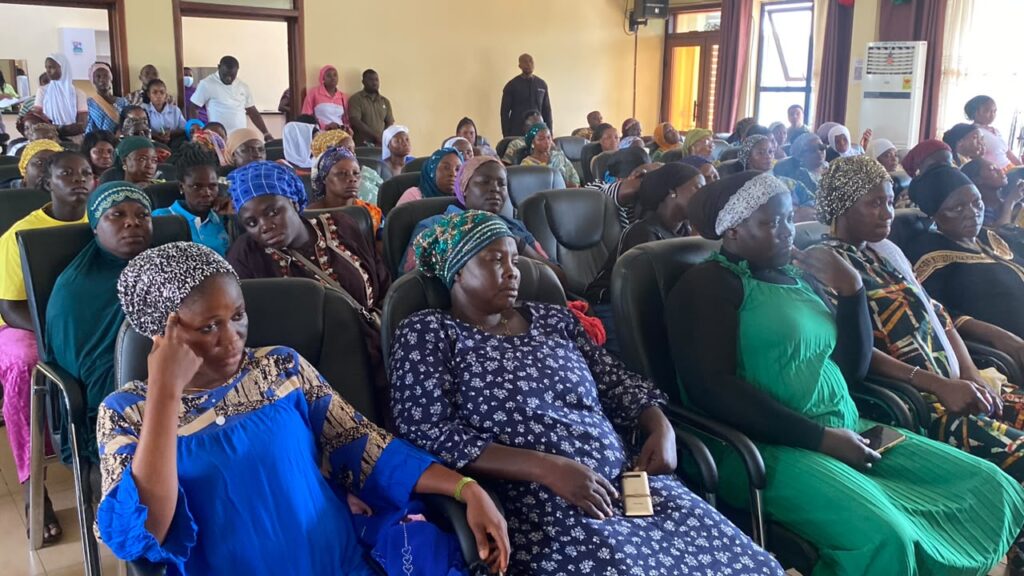
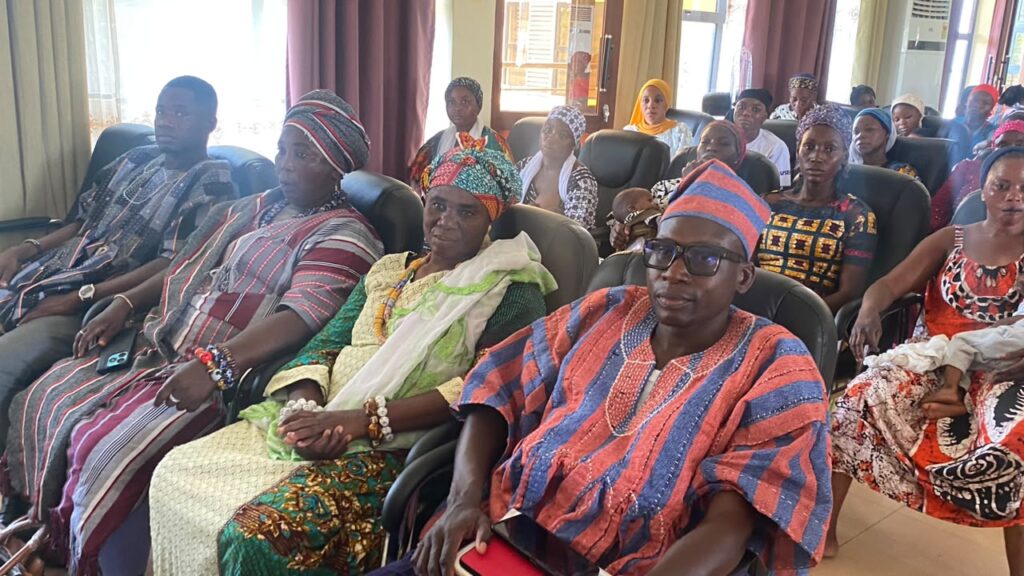
It brought together government officials, business leaders, traditional authorities, investors, development partners and other stakeholders to explore bankable projects and discuss strategies for accelerating sustainable economic growth in the region.
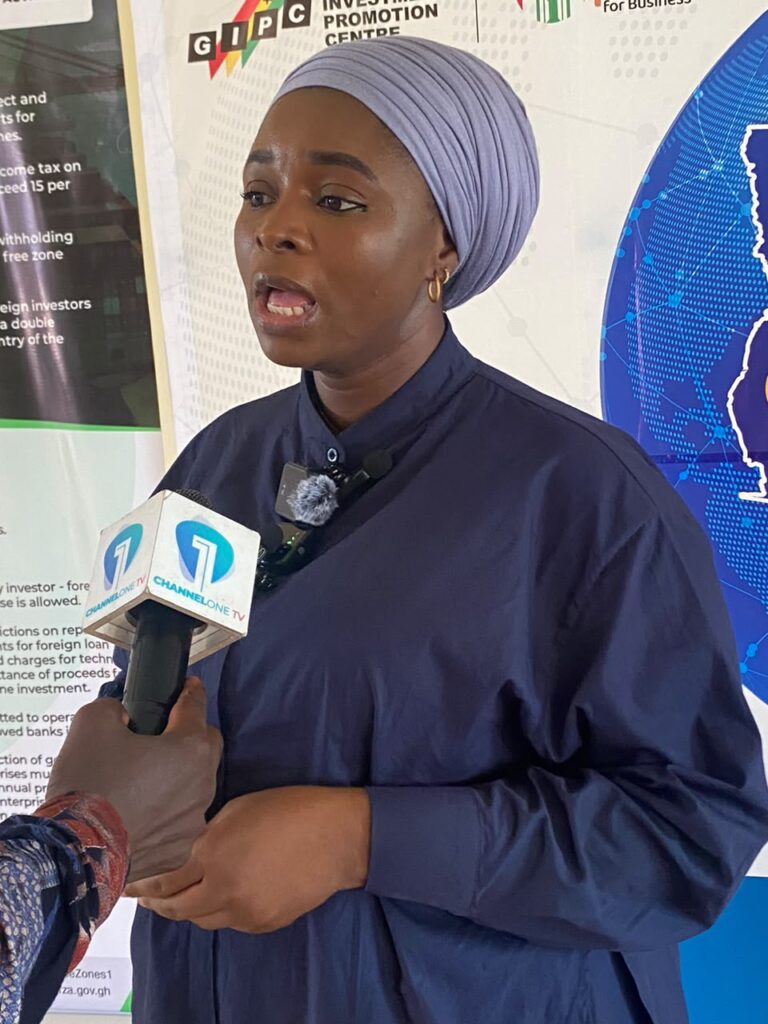
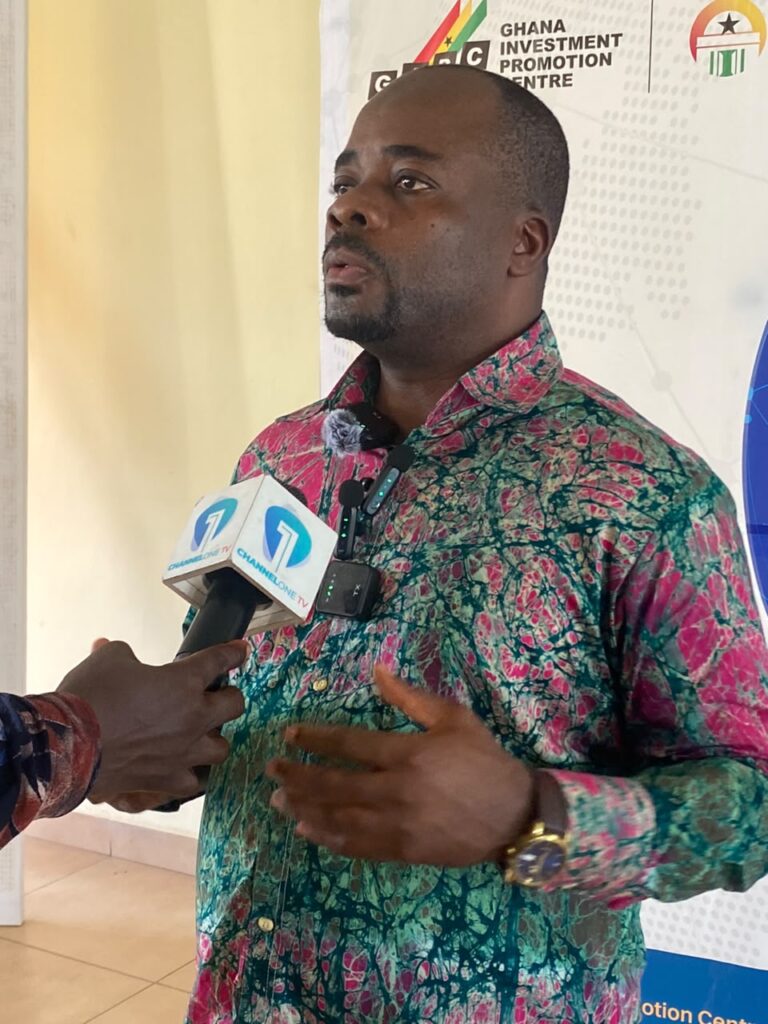
Speaking to the media after the forum, GIPA’s Public Relations Officer, Madam Zainabu Issah, said the initiative was introduced under the leadership of the Authority’s Chief Executive Officer, Mr. Simon Madjie, to move investment promotion beyond major urban centres and identify opportunities at the regional and district levels.
She explained that the project had already covered several regions, including the Volta, Oti, Central, Western, Eastern and Western North regions, before the Authority embarked on a roadshow across the five northern regions, culminating in the Savannah Region.
According to her, the initiative was designed to identify existing businesses, assess their needs and determine the support required to package their projects for potential investors.
Madam Zainabu disclosed that the five northern regions had submitted approximately 128 investment projects, with the Savannah Region accounting for 19 of them.
She, however, expressed optimism that further engagement with stakeholders would uncover additional investment opportunities capable of attracting more capital into the region.
She said presentations at the forum highlighted opportunities in commercial agriculture, livestock production and inland repair ports, stressing the need to properly document and package the projects to make them attractive to investors.
Madam Zainabu noted that GIPA was collaborating with sister agencies, including the Ghana Export Promotion Authority (GEPA) and the Ghana Free Zones Authority (GFZA), to promote the region’s investment potential and communicate available incentives to the business community.
She added that the information and projects gathered through the regional roadshows would be presented to prospective investors at the upcoming Invest Ghana Summit, scheduled for November 16 and 17, 2026, at the Kempinski Gold Coast Hotel in Accra.
The forum, she said, would provide an opportunity to connect viable projects in the Savannah Region and other parts of northern Ghana with local and international investors seeking opportunities beyond the country’s major commercial centres.
Madam Zainabu emphasised that GIPA was committed to ensuring the roadshows produced tangible investment outcomes rather than serving merely as stakeholder engagement exercises.
She further encouraged stakeholders to sustain the momentum surrounding development in northern Ghana by identifying and promoting projects that could create jobs, stimulate businesses and improve livelihoods.
For his part, the Regional Manager of the Ghana Free Zones Authority’s Kumasi Office, Mr. Samed Akalilu, identified agro-processing as one of the most promising investment areas in the Savannah Region, given its agricultural potential, availability of arable land and access to water.
He explained that the Free Zones Authority was mandated to promote export-led investments by supporting businesses that add value to goods and services for international markets.
Under the Free Zones programme, eligible businesses are generally expected to export at least 70 per cent of their output, while benefiting from applicable incentives and regulatory support.
Mr. Akalilu outlined four categories of licences offered by the Authority: manufacturing, developer, services and related free-zone operations.
He explained that the Authority also provides a one-stop-shop service, helping investors obtain the necessary licences and connect with relevant government institutions, including GIPA, GEPA, the Ghana Revenue Authority and other regulatory agencies.
He added that the Authority provides aftercare services to licensed businesses to help resolve operational challenges and facilitate their continued growth.
According to him, the Authority has industrial land in strategic locations across the country to support manufacturing and export-oriented businesses.
Mr. Akalilu encouraged investors to consider processing agricultural products in the Savannah Region rather than exporting or selling them in their raw forms.
He cited shea products, soybeans and groundnuts as some of the agricultural commodities that could be processed into higher-value products for domestic consumption and export.
For instance, he explained that soybeans could be processed into soybean milk and oil, while groundnuts could be transformed into peanut paste and other packaged products for wider markets.
He noted that investing in agro-processing would not only increase the value of agricultural produce but also create employment opportunities, improve farmers’ incomes and stimulate the development of supporting industries.
Mr. Akalilu further indicated that the expansion of agro-processing could create opportunities for manufacturing companies to supply agricultural machinery, equipment and other inputs needed by farmers and processing businesses.
He therefore called for increased investment in both agro-processing and manufacturing to support agricultural industrialisation in the Savannah Region.
The Savannah Regional Investment Forum forms part of broader efforts to identify the region’s economic strengths and position them as viable opportunities for private-sector investment.
With its agricultural resources and potential for livestock production and other commercial activities, the region has opportunities to attract businesses that can promote value addition, expand employment and strengthen local economic development.
The success of the initiative will depend on effective collaboration among government agencies, traditional authorities, businesses and investors to transform identified opportunities into bankable projects.
GIPA is expected to use the findings from the regional engagements to showcase investment-ready projects at the Invest Ghana Summit in November, with the aim of attracting investors and accelerating economic growth across the country.
Source: Padfm.com.gh/Kumatey Gorden/0243531604