
The Environmental Protection Authority (EPA) has reaffirmed its commitment to enforcing Ghana’s ban on Styrofoam products effective January 1, 2027, urging the public to embrace traditional and environmentally friendly alternatives to protect human health and the environment.
The EPA is also encouraging Ghanaians to begin changing their habits ahead of the enforcement deadline by carrying reusable food containers from home and patronising biodegradable alternatives such as plant-based packaging
.

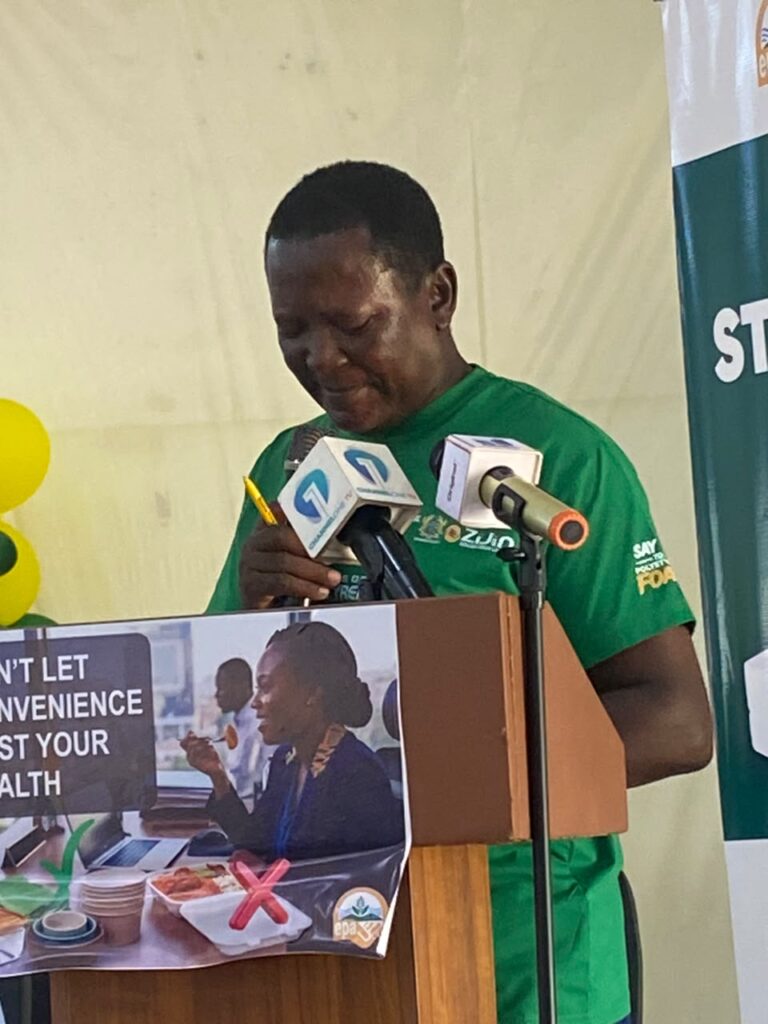
The Savannah Regional Director of the EPA, Dr. Abu Iddrisu, announced the Authority’s position during the Savannah Regional launch of the national campaign against Styrofoam products held in Damongo on Monday, October 26, 2026.
Dr. Iddrisu said the Savannah Region fully supports the ban, citing the growing environmental challenges posed by disposable food containers in communities across the region.
He observed that Styrofoam waste had become a major environmental concern in places including Damongo, Salaga, Buipe, Busunu and other communities, where discarded takeaway containers litter public spaces, choke drainage systems and pollute water bodies.
According to him, the waste contributes to flooding, threatens aquatic life and causes harm to animals that mistakenly consume the materials.
He further warned that the use of Styrofoam containers for hot foods could pose potential health risks, stressing the need for the public to adopt safer and more sustainable food-packaging practices.
Dr. Iddrisu noted that maintaining a clean environment was particularly important to the Savannah Region because of its tourism potential, including the renowned Mole National Park.
He said environmental pollution could undermine the region’s attractiveness to tourists and called on residents to support the national campaign.
“A clean Savannah is a wealthy Savannah,” he emphasised, urging the public to support efforts to restore the region’s environmental cleanliness.
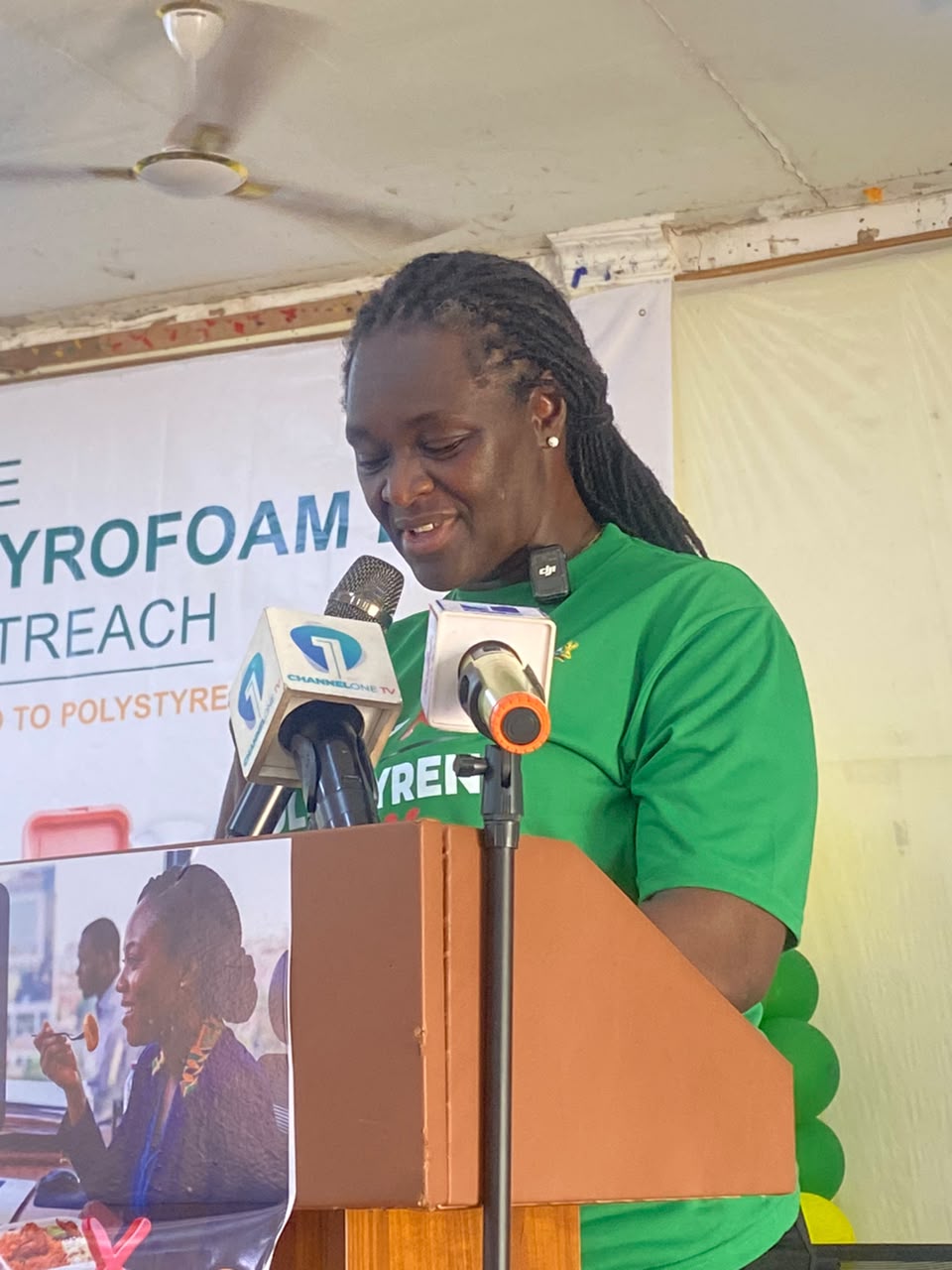
The Chief Executive Officer of the EPA, Professor Nana Ama Browne Klutse, called on Ghanaians to reconsider traditional food-packaging practices, including the use of personal food bowls and plantain leaves.
She noted that although disposable takeaway containers had made food purchases more convenient, the convenience came at a significant cost to the environment and public health.
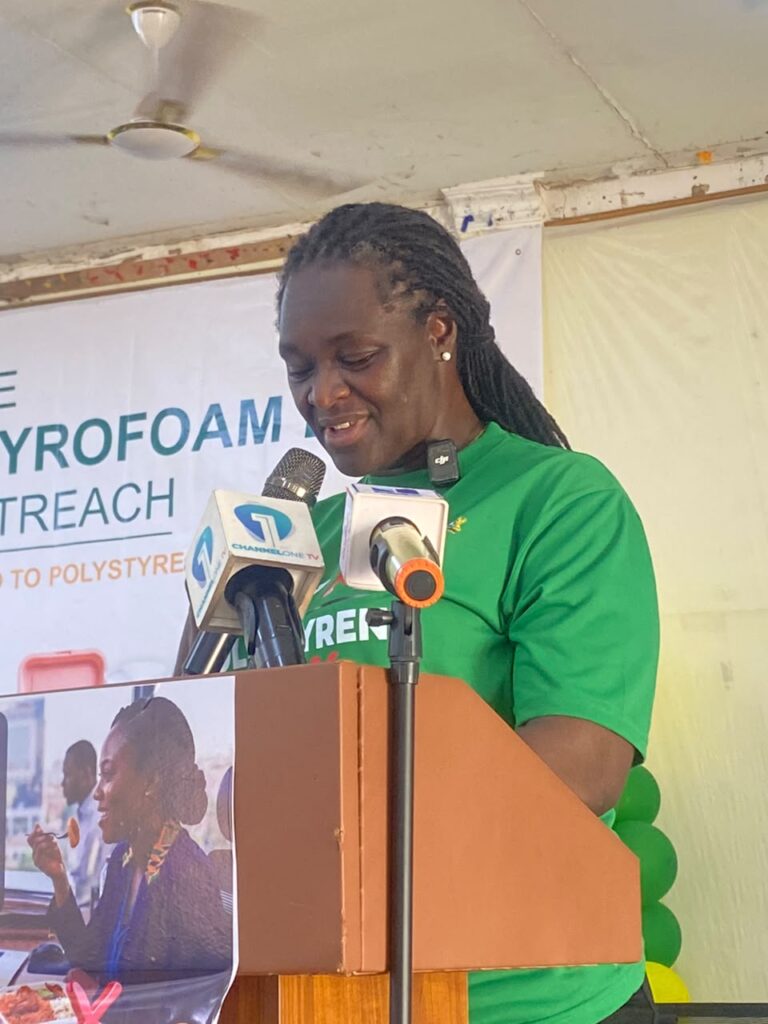
Professor Browne Klutse urged residents to begin practising alternatives before January 2027 to make the transition easier when enforcement begins.
She explained that environmentally friendly alternatives, including biodegradable and recyclable packaging materials, were already available on the market and could become more widely accessible as demand increased.

The EPA CEO stressed that the campaign was a collective responsibility requiring the participation of government institutions, businesses, religious leaders, schools and individual citizens.
She also disclosed that the Authority would intensify efforts to address pollution from single-use plastics as part of broader measures to improve environmental management across the country.
Professor Browne Klutse added that the EPA would work with key stakeholders, including the Ghana Police Service, Ministry of Food and Agriculture, Ghana Health Service, Ghana Tourism Authority and Ghana Education Service, to support public education and enforcement.
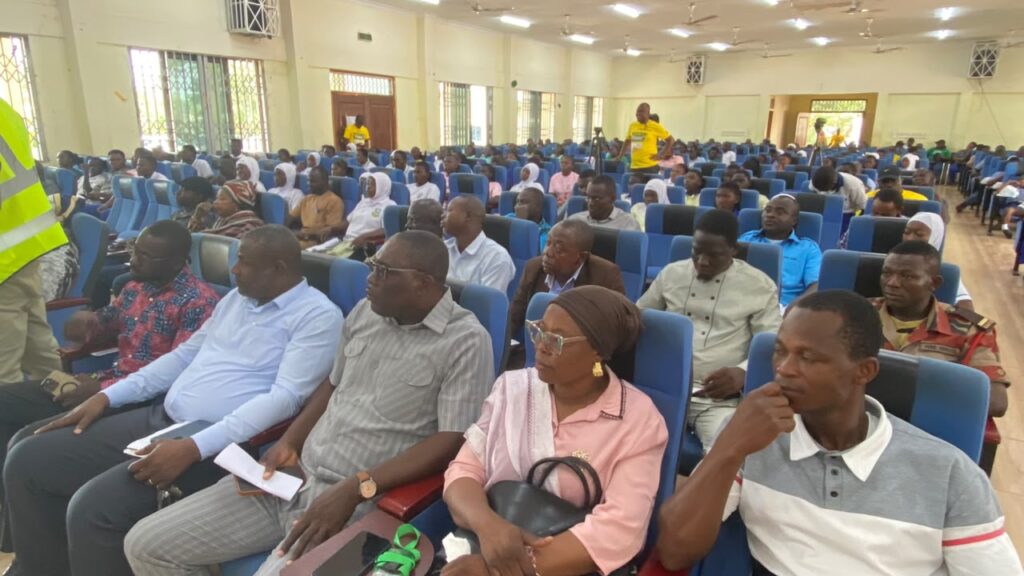
The Savannah Regional Minister, Hon. Salisu Yussif Biawurbi, who was the special guest of honour, described the campaign as an important opportunity to address environmental pollution and protect public health.
He clarified that January 1, 2027, should be understood as the commencement of enforcement of the ban, rather than the date on which the policy was first introduced.
The Minister called on religious leaders, traditional authorities, educational institutions and other stakeholders to intensify public education to ensure that residents understand the reasons behind the policy.
He particularly urged Muslim and Christian religious leaders to use their platforms to educate their congregations on the dangers associated with Styrofoam pollution and the importance of environmental protection.
Hon. Biawurbi also encouraged the EPA and the Ghana Health Service to strengthen public education on the potential health implications of exposure to harmful chemicals associated with certain food-packaging materials.
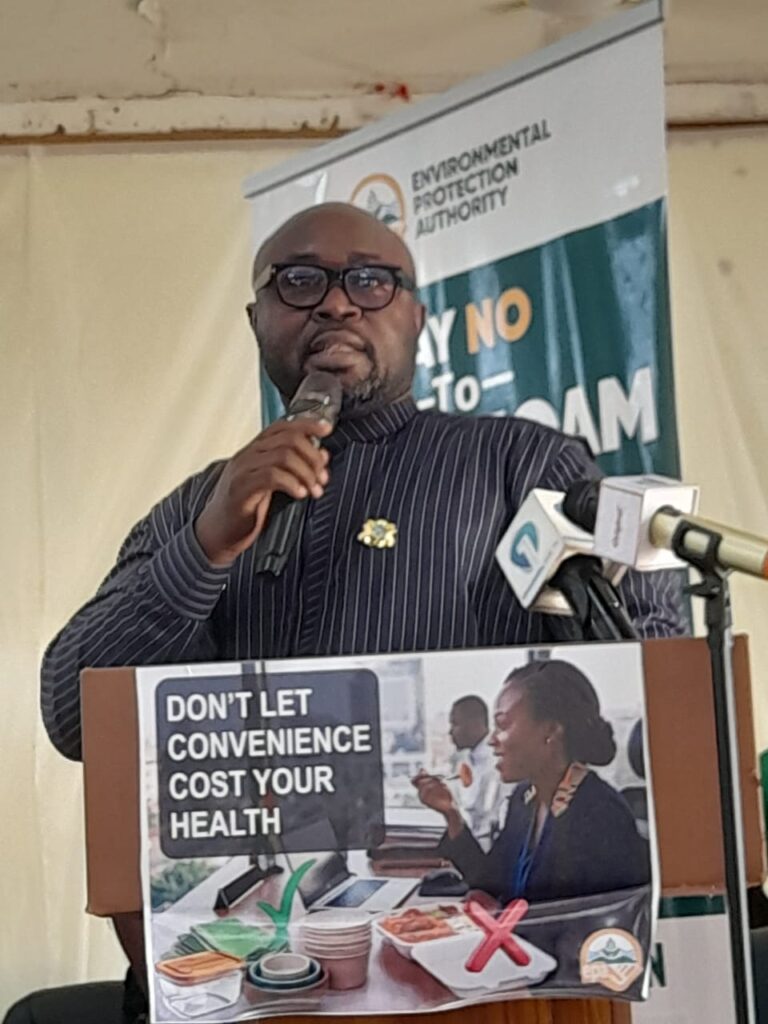
He maintained that the policy was intended to safeguard the health of the population, protect the environment and secure a cleaner future for generations to come.
The Minister urged residents to begin abandoning Styrofoam products immediately rather than waiting until the enforcement date.
The EPA has indicated that the enforcement exercise will cover the production, importation, distribution, retail and use of Styrofoam products, including takeaway food containers, plates, packaging materials and ceiling products covered by the ban.
The campaign forms part of broader national efforts to tackle environmental pollution, improve sanitation and promote sustainable practices.
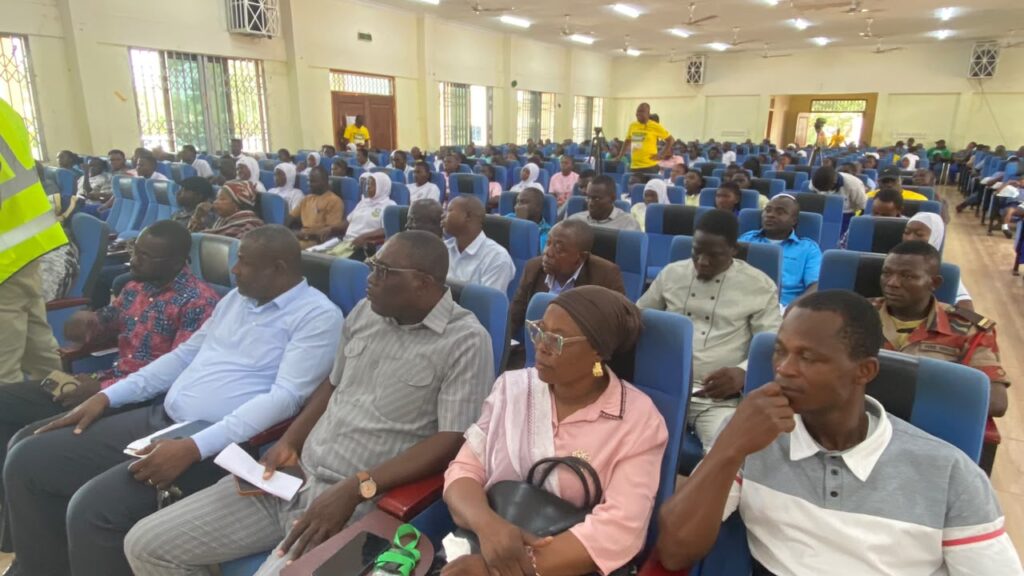
Stakeholders at the Damongo launch were therefore encouraged to take the message to their respective communities and workplaces to ensure widespread awareness and compliance before the deadline.
The EPA is urging individuals, food vendors, traders and businesses to begin making the necessary adjustments now by adopting reusable, biodegradable and other environmentally responsible alternatives.
With January 1, 2027, approaching, the Authority says collective action and sustained public education will be essential to ensuring the successful implementation of the ban and creating a cleaner, healthier and more sustainable Savannah Region.
Source: Padfm.com.gh/Kumatey Gorden/0243531604