
Abdulai Zulkaninu
Rev. Fr. David Dum, Parish Priest of the Damongo Catholic Diocese, has called on young leaders to uphold the rule of law and ethical leadership standards, stressing that Ghana’s future will not be determined solely by laws enacted or institutions established, but also by the character and attitudes of people who occupy positions of influence. He said while laws, democratic institutions and elections were important to national development, the values cultivated among young people and the conduct of leaders were equally critical.
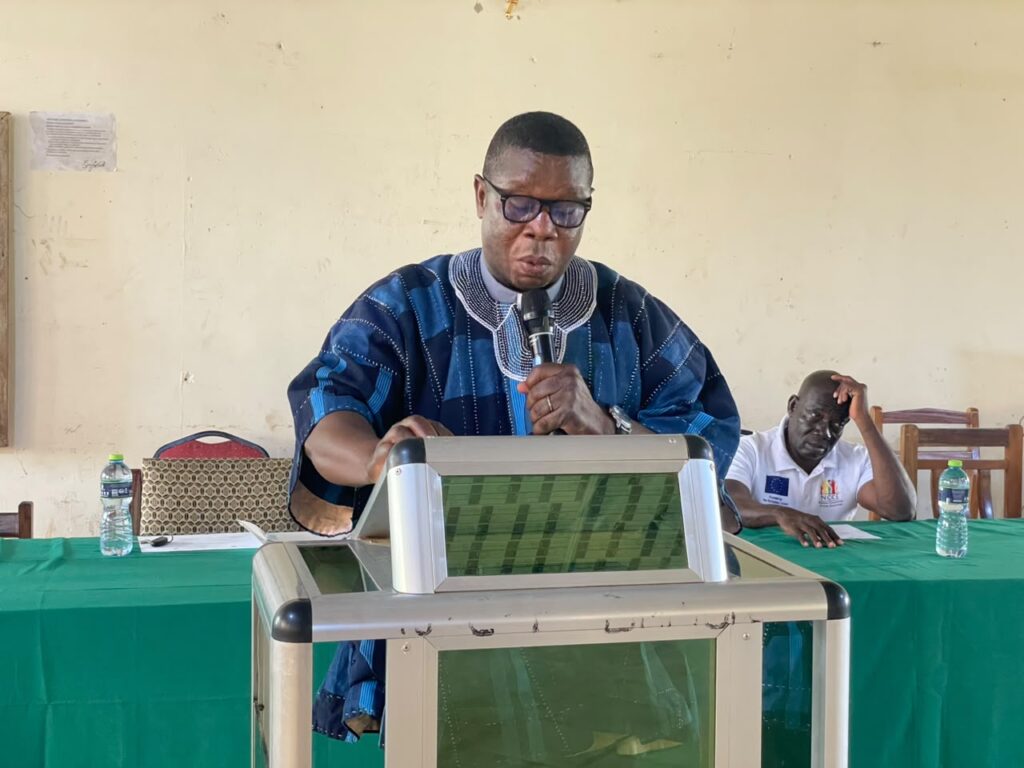
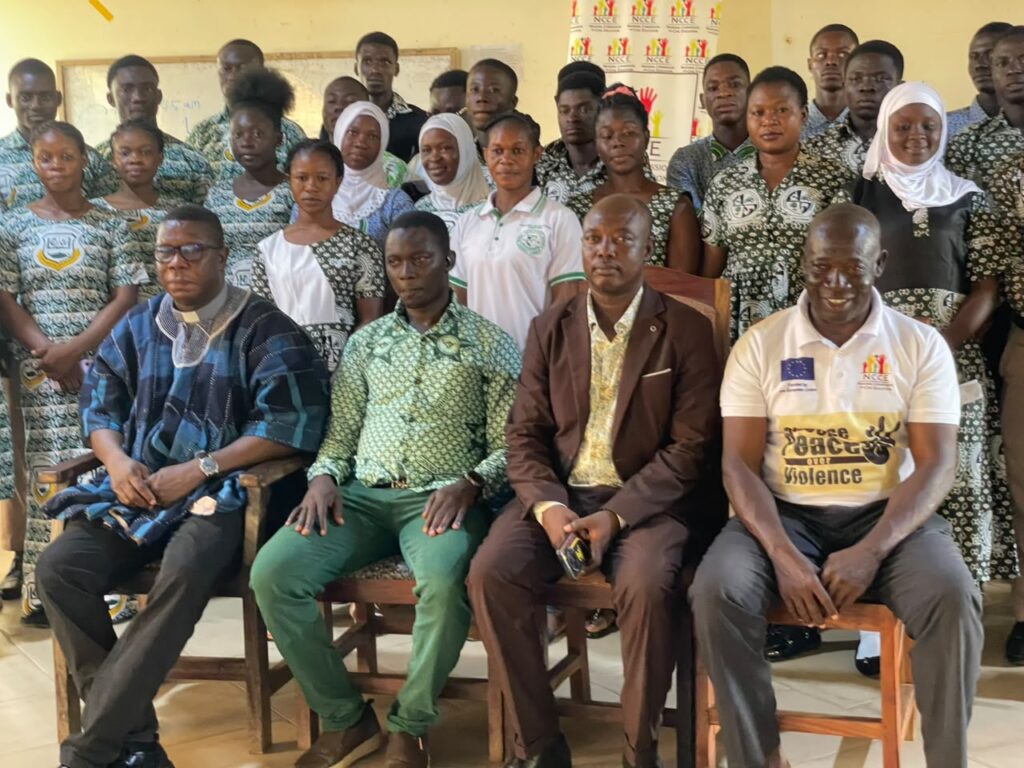
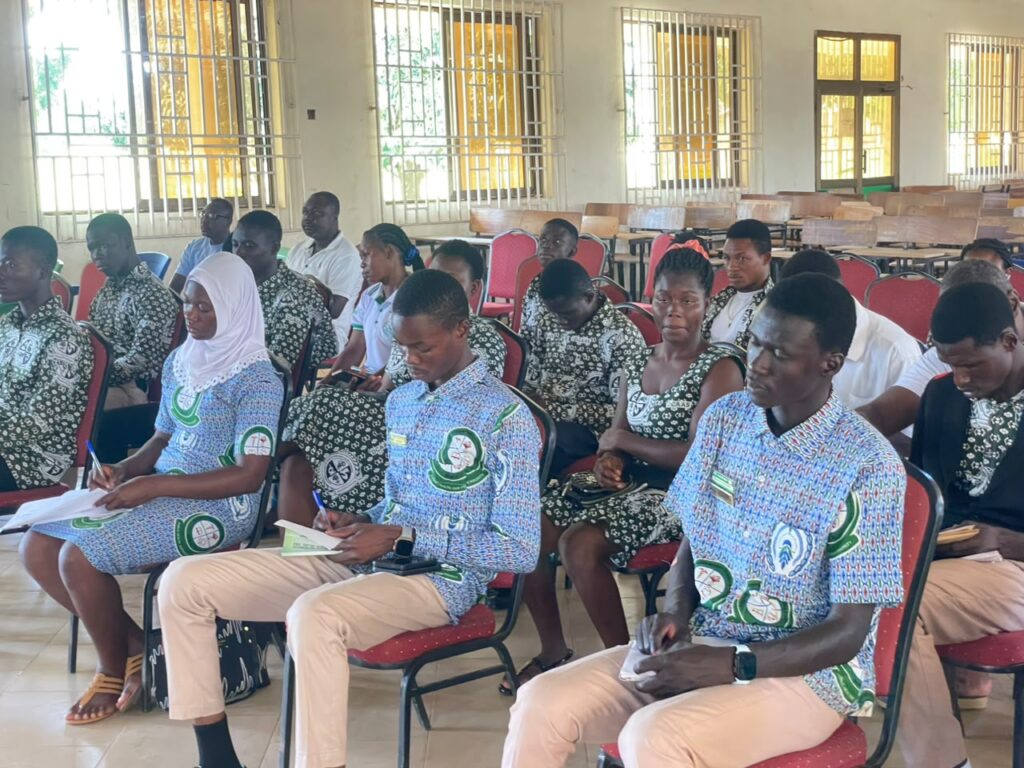
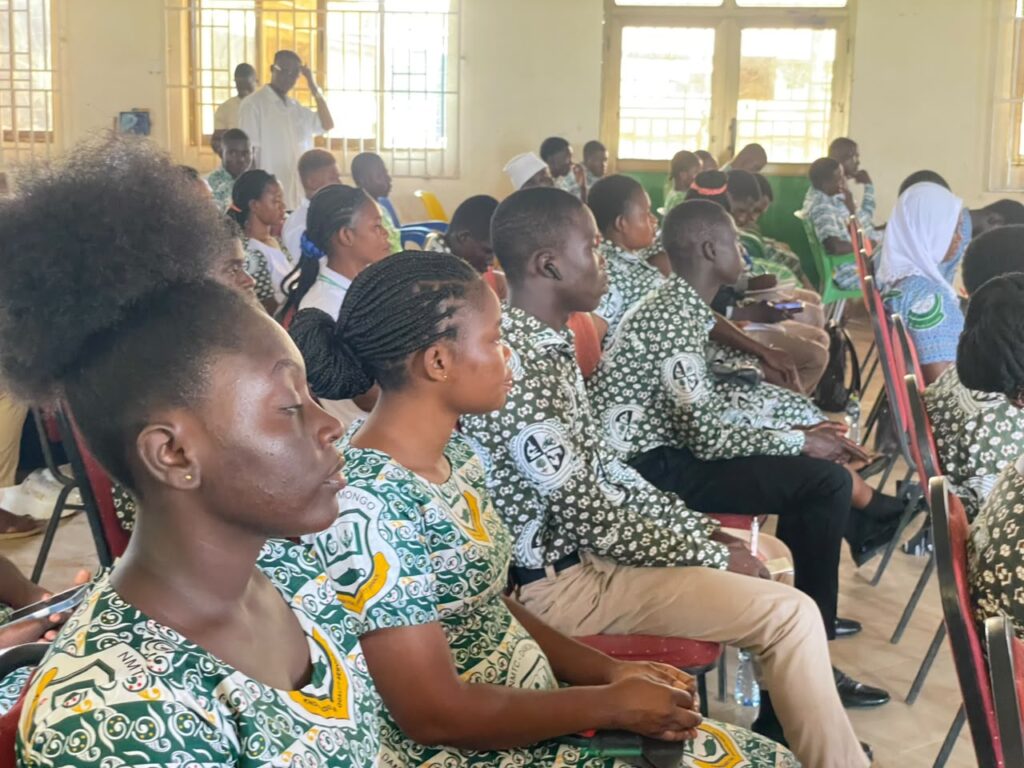
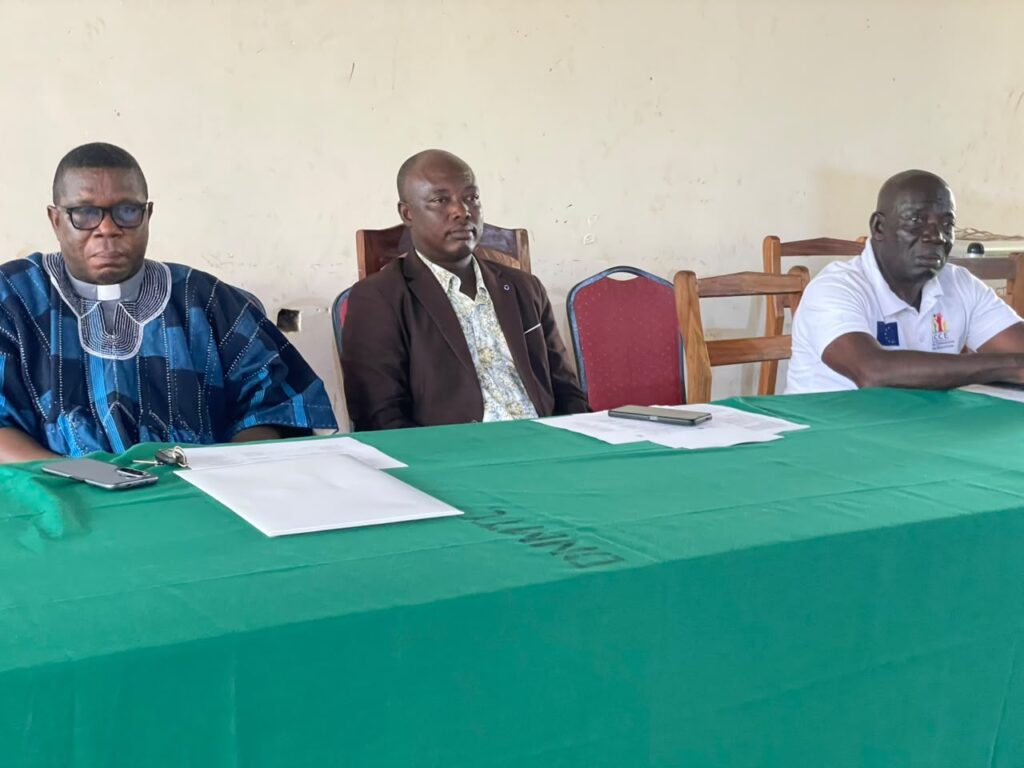
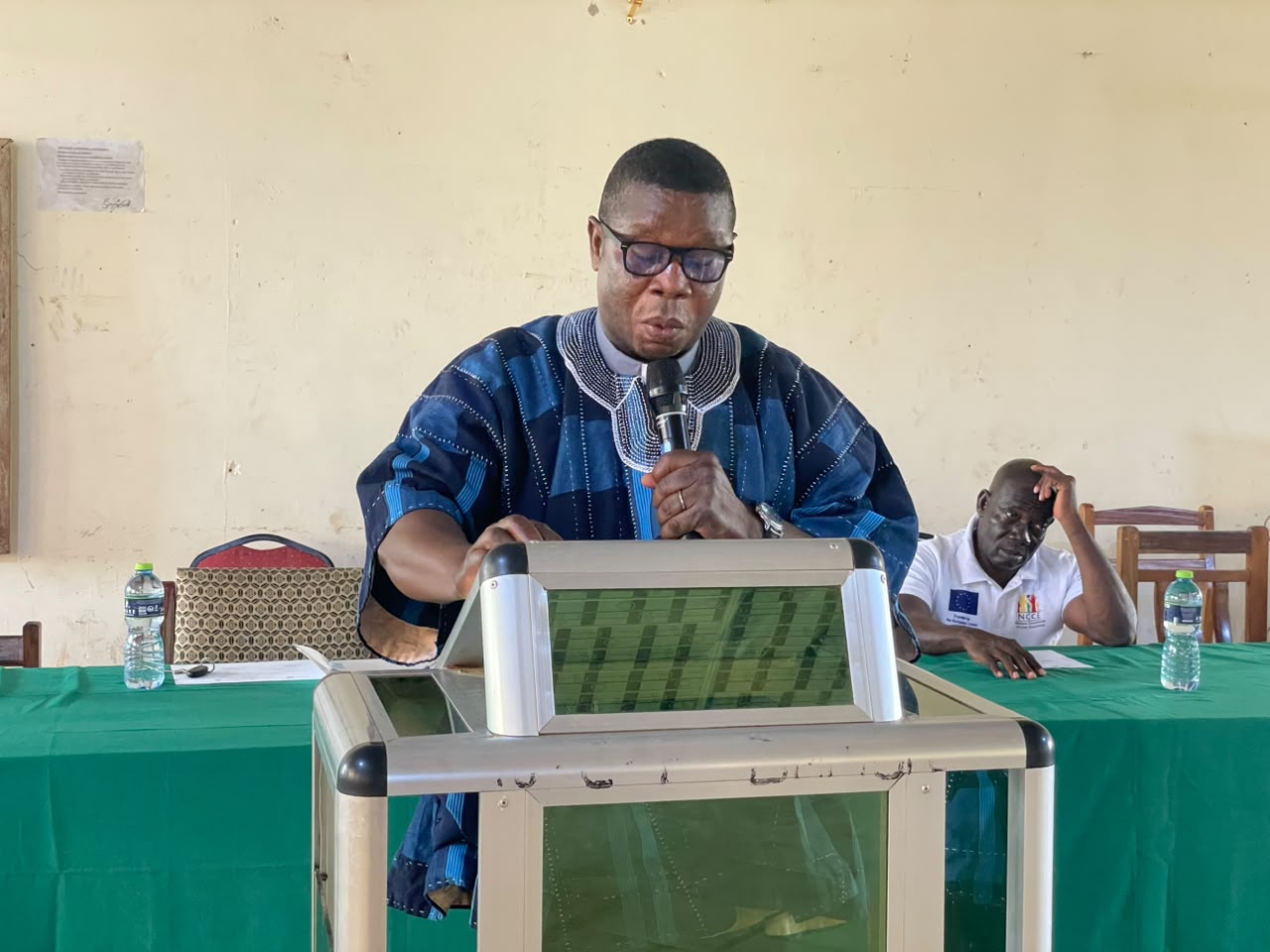
Rev. Fr. Dum made the call on Saturday, September 12, 2026, during a Youth Leaders Empowerment Dialogue on bribery and corruption organised by the National Commission for Civic Education (NCCE), Savannah Region, at the Damongo Nursing and Midwifery Training College.
Speaking on the topic, “The Rule of Law and Ethical Leadership Standards,” Rev. Fr. Dum explained that the rule of law requires everyone, including politicians, business people, traditional rulers, religious leaders, civil servants and ordinary citizens, to be subject to the law. He noted that predictable and fairly applied laws create an environment where businesses can thrive, investors can have confidence, citizens can protect their rights, conflicts can be resolved through institutions and public resources can be used responsibly. However, he cautioned that good laws alone were not enough, since corruption, injustice and abuse of power could persist when institutions were operated by people without integrity. He therefore described ethical leadership as essential to ensuring that authority was exercised fairly, responsibly and in the interest of the common good.
The Catholic priest said ethical leadership required integrity, accountability, transparency, fairness, respect for human dignity, courage, humility and a commitment to service. He reminded young people that leadership was not ownership but stewardship, and that public office was a public trust rather than private property. He urged citizens, particularly the youth, to ask legitimate questions about the use of public resources, policies and decisions, while rejecting corruption, political violence, tribalism, discrimination and the practice of supporting wrongdoing simply because the offender belonged to their political party, ethnic group or religious group.
He further encouraged young people to use social media responsibly by verifying information before sharing it and avoiding misinformation, hate speech, character assassination and messages capable of creating conflict.
Rev. Fr. Dum said leadership began long before one occupied a public office, urging the youth to become champions of democracy, accountability, peace and responsible citizenship from an early age. He encouraged them to respect the Constitution and laws of Ghana, defend human rights, promote peaceful dialogue, protect public property and stand against injustice. He said Ghana needed a generation of young people who would use their energy, creativity, technological skills and ideas to promote national development rather than corruption, hatred and division.
The programme, which brought together student leaders, GNAT, NAGRAT, GRASAG, civil society organisations, youth and women’s groups, was aimed at building a network of youth champions to promote democratic governance and the rule of law.
Rev. Fr. Dum stressed that while the rule of law provides the framework for justice and democracy gives citizens a voice, ethical leadership gives institutions the character and credibility needed to build a peaceful and prosperous Ghana.
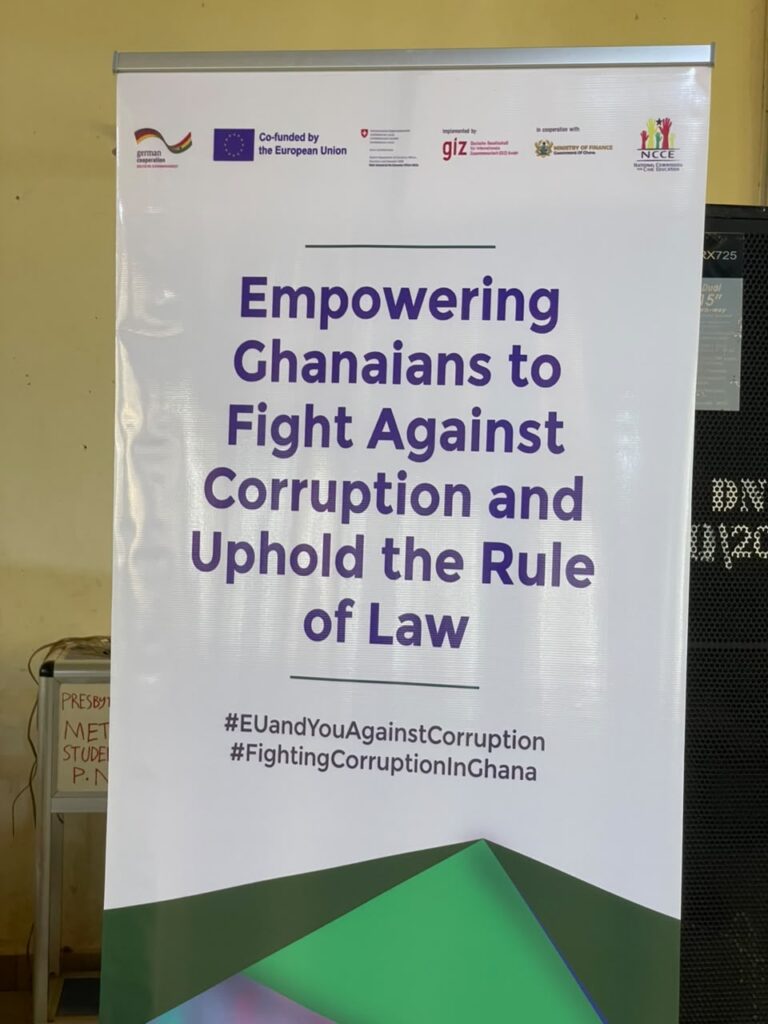
The Youth Leaders’ Empowerment Dialogue Session is part of the implementation of the “Civic Engagements on the Rule of Law and the Fight Against Corruption” under the Participation, Accountability and Integrity for a Resilient Democracy (PAIRED) Programme. This programme allows the NCCE to promote civic awareness and responsible citizenship through the development of a network of informed youth leaders who will champion accountability, integrity and democratic governance.
In Ghana, Students and youth leaders serve as opinion leaders, peer educators, and advocates capable of shaping attitudes, behaviours and decision-making among colleagues.
Therefore, empowering these youth leaders with knowledge on public accountability and anti-corruption will create a multiplier effect that extends beyond the dialogue sessions and contribute to building a culture of integrity within educational institutions and society.