
By Abdulai Zulkaninu
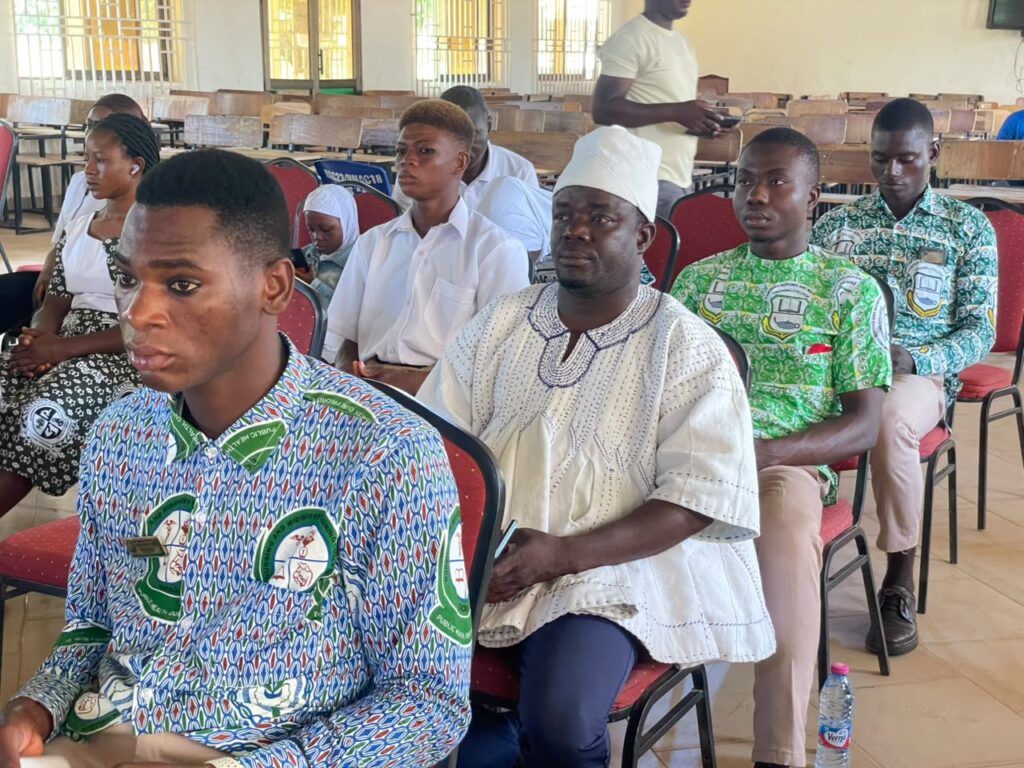
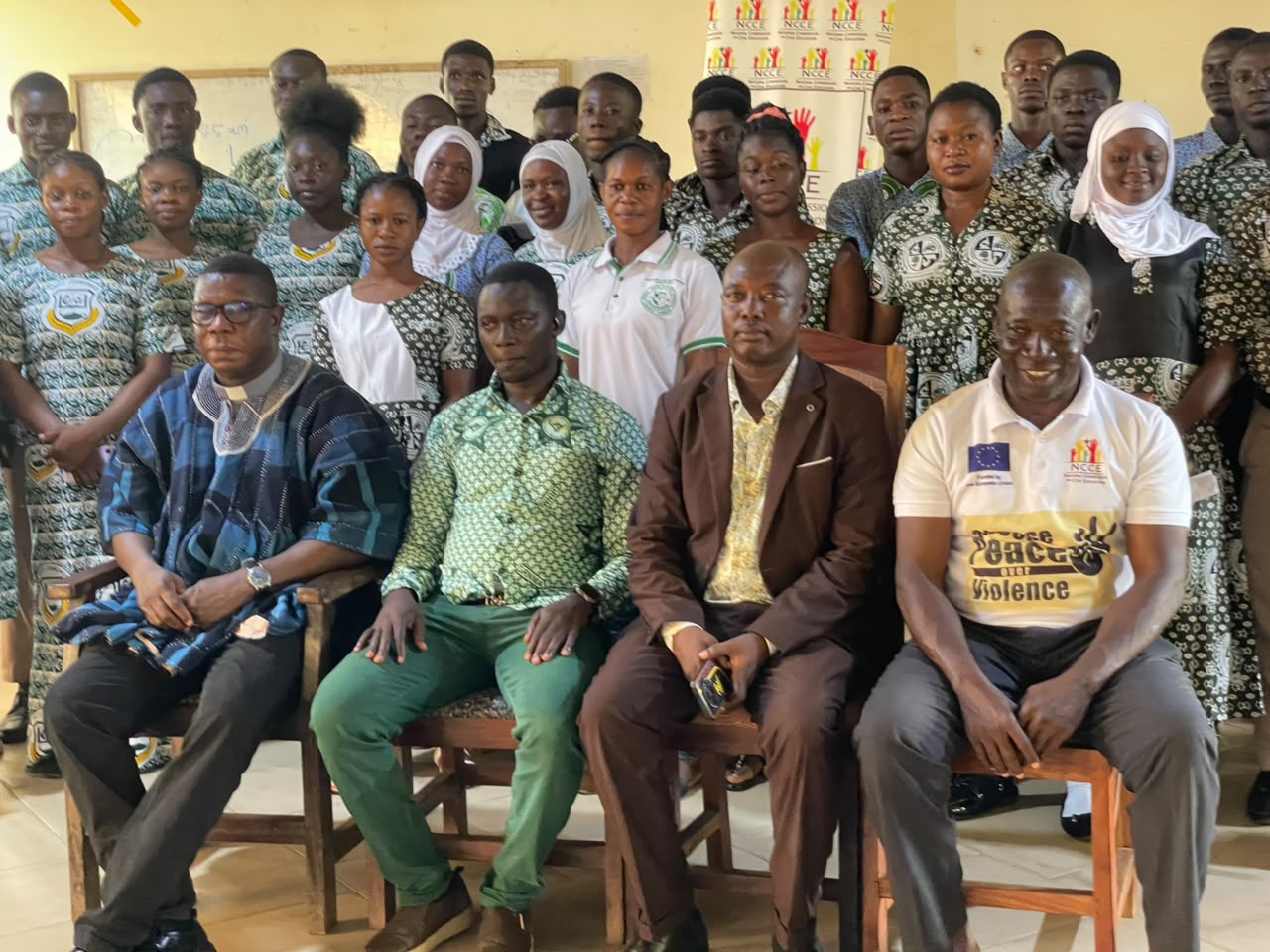
The Savannah Regional Director of the National Commission for Civic Education (NCCE), Mr. Issaka Zitor, has called on Ghanaians, particularly young leaders, to cultivate positive attitudes, uphold the Constitution and reject all forms of corruption. He made the call during a Youth Leaders’ Empowerment Dialogue on corruption and transparency at the Damongo Nursing and Midwifery Training College on Saturday, September 12, 2026. The engagement focused on strengthening democratic governance and sustaining public trust in public institutions.
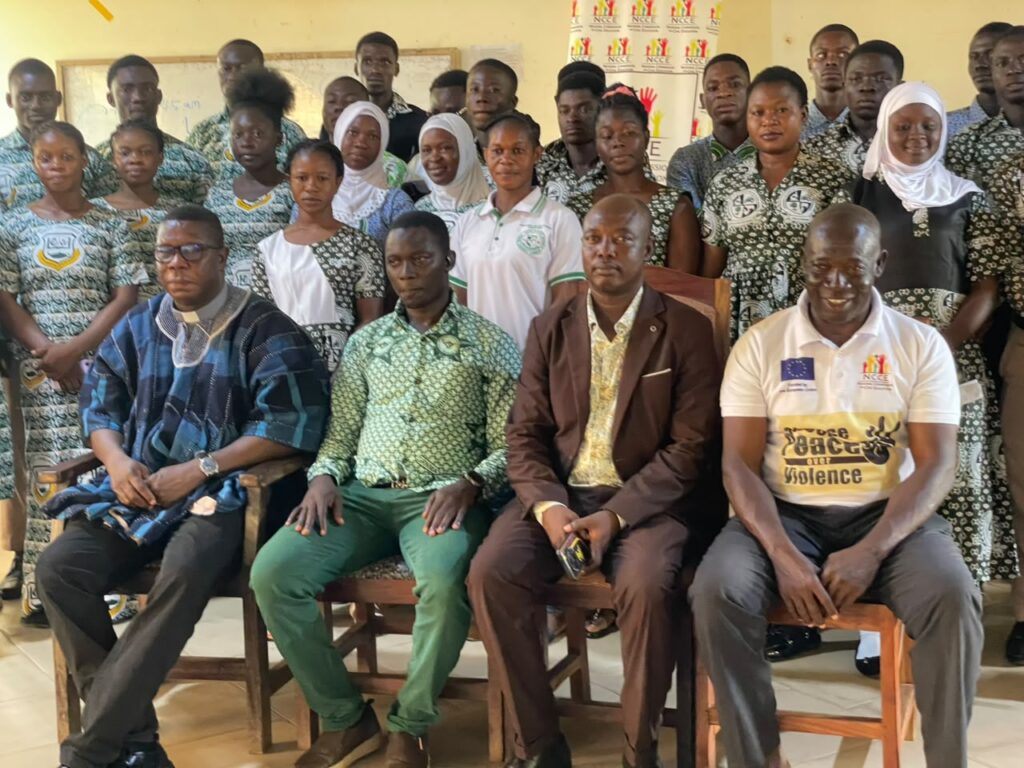
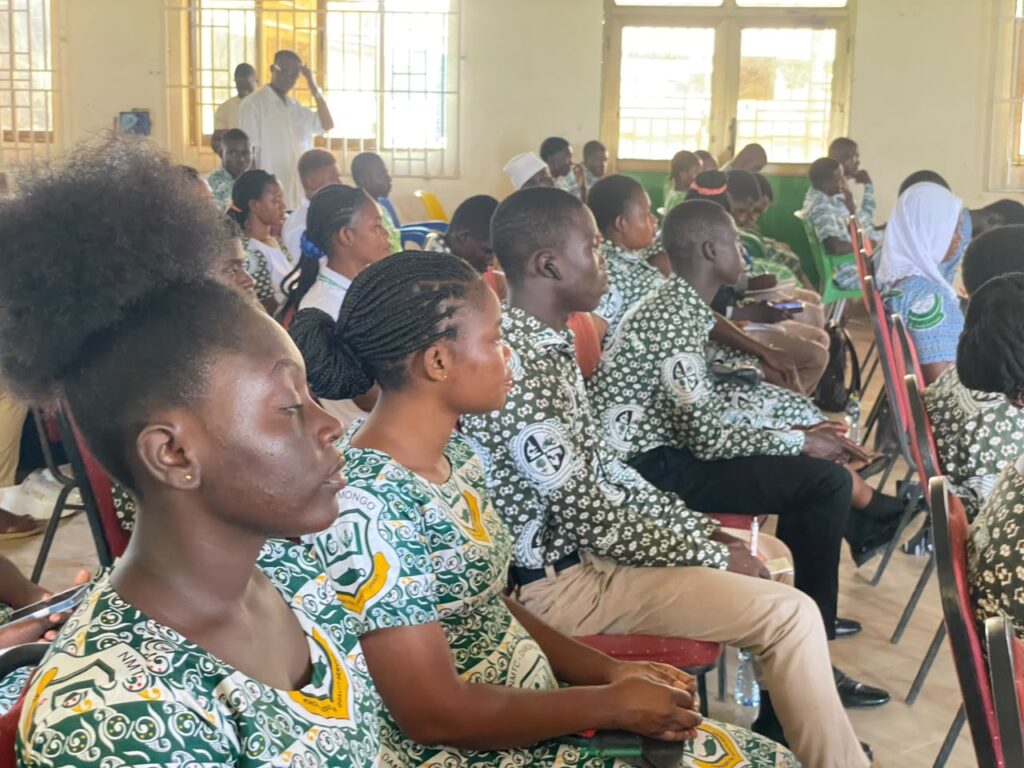
The dialogue was organised under the “Civic Engagements on the Rule of Law and the Fight Against Corruption” component of the Participation, Accountability and Integrity for a Resilient Democracy (PAIRED) Programme. It brought together students from tertiary institutions, Civic Education Club executives, GRASAG representatives, student political groups including TEIN and TESCON, civil society organisations and other youth groups.
Mr. Zitor said empowering young people with knowledge on transparency, accountability and ethical leadership would create a multiplier effect in promoting a culture of integrity in educational institutions and communities.
He described corruption as having serious consequences for society, including undermining democracy and the rule of law, distorting markets, weakening public institutions and eroding quality of life. And identified bribery, examination malpractices, facilitation payments, tax evasion, fraud, non-transparent administrative procedures and unauthorised absenteeism as some forms of corruption. He also cited institutional weaknesses, poor ethical standards, weak enforcement of laws and inappropriate incentive structures among factors that contribute to corruption.
He encouraged citizens to reject vote-buying, bribery and other corrupt practices, while urging them to report suspected corruption to the appropriate authorities.
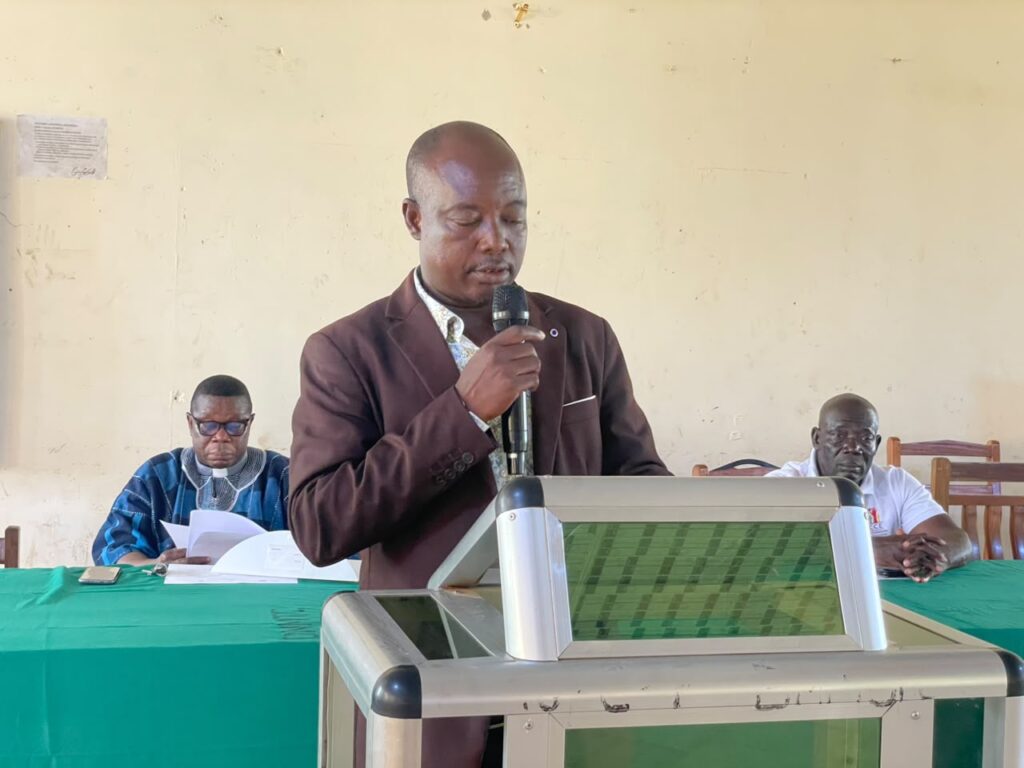
The NCCE Regional Director also appealed to the media and civil society organisations to strengthen their watchdog roles by investigating and reporting corrupt practices and building public support for the fight against corruption. He stressed that transparency requires openness and honesty in administrative processes, while leaders entrusted with public resources must use them in the interest of citizens and national development.
He cautioned against conflicts of interest, particularly situations where public officials use their positions to benefit private interests, and urged all Ghanaians to embrace the principle of “Ghana First” in promoting accountable leadership and good governance.
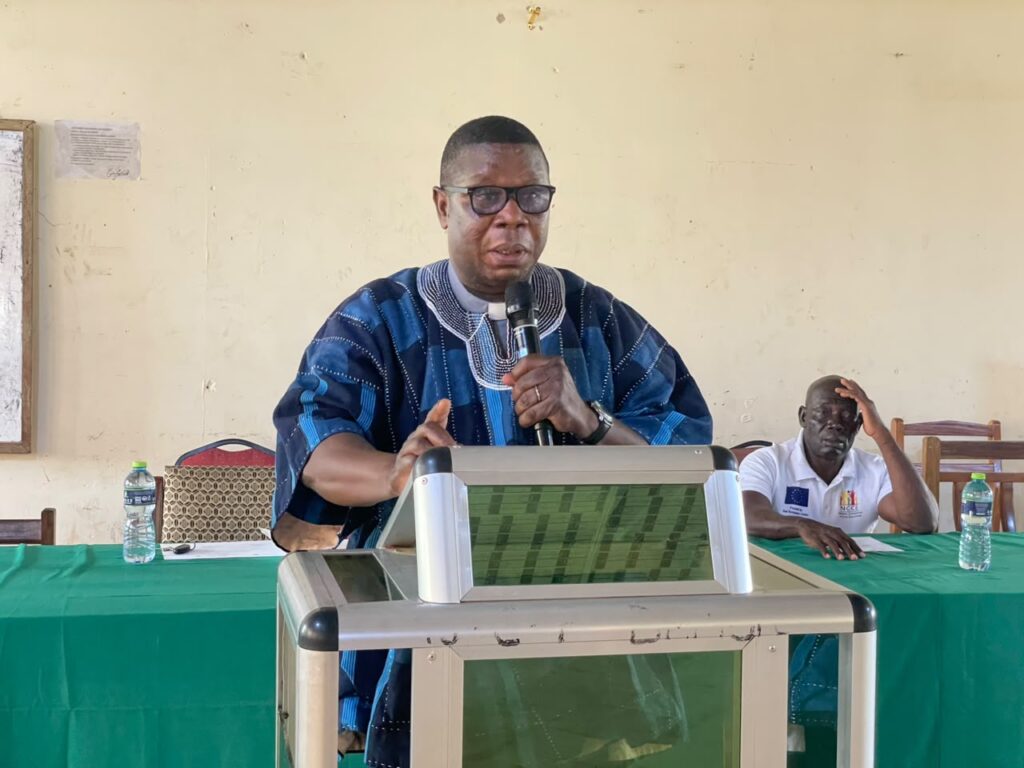
Fr David Dum, Parish Priest with the Damongo Catholic Diocese, called on young leaders to stand for the truth and be bold to report acts of corruption.
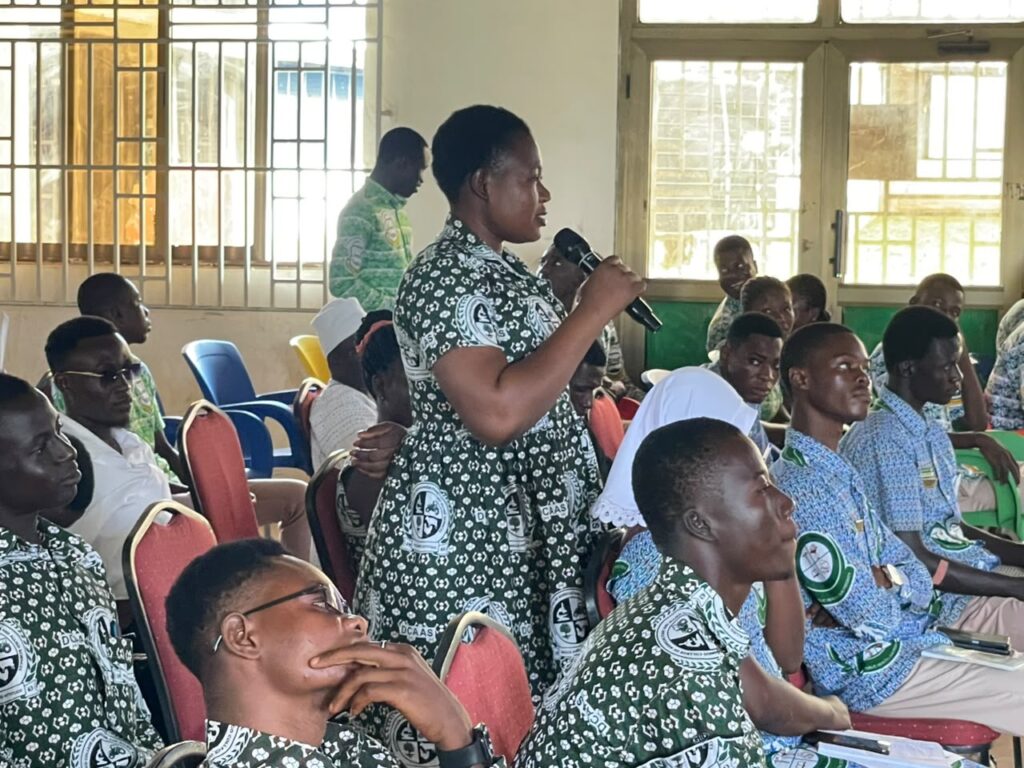
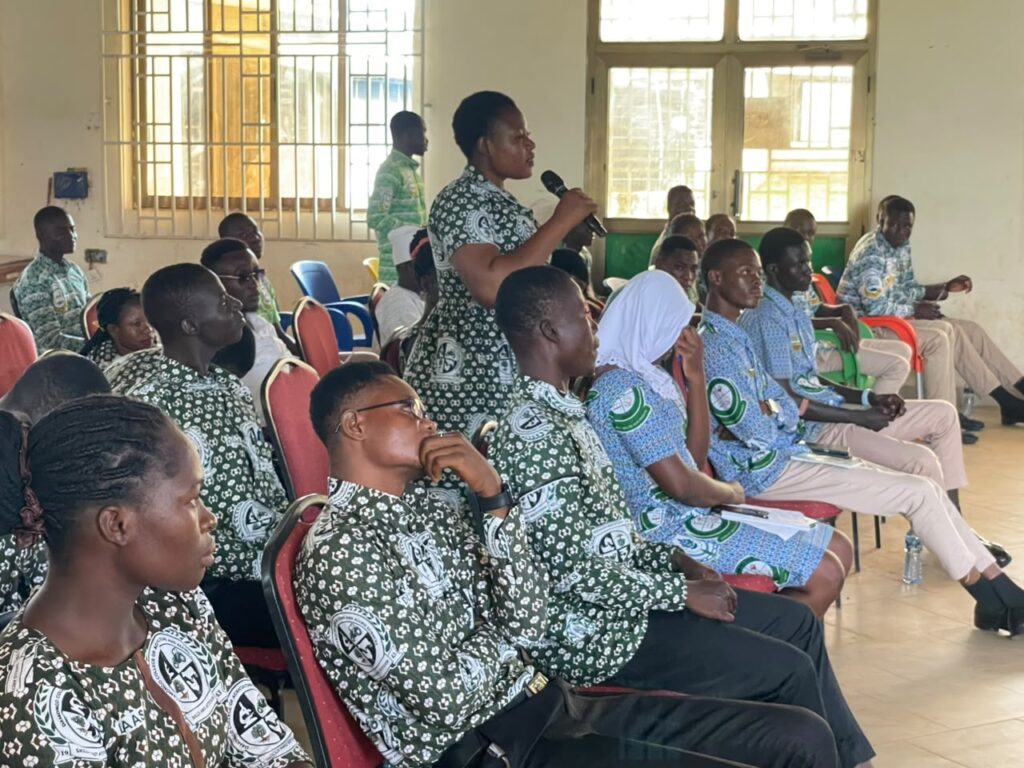
Students and participants were allowed to ask questions and share opinions during the dialogue.
Participants described the dialogue as impactful because it equipped them knowledge on bribery and corruption.