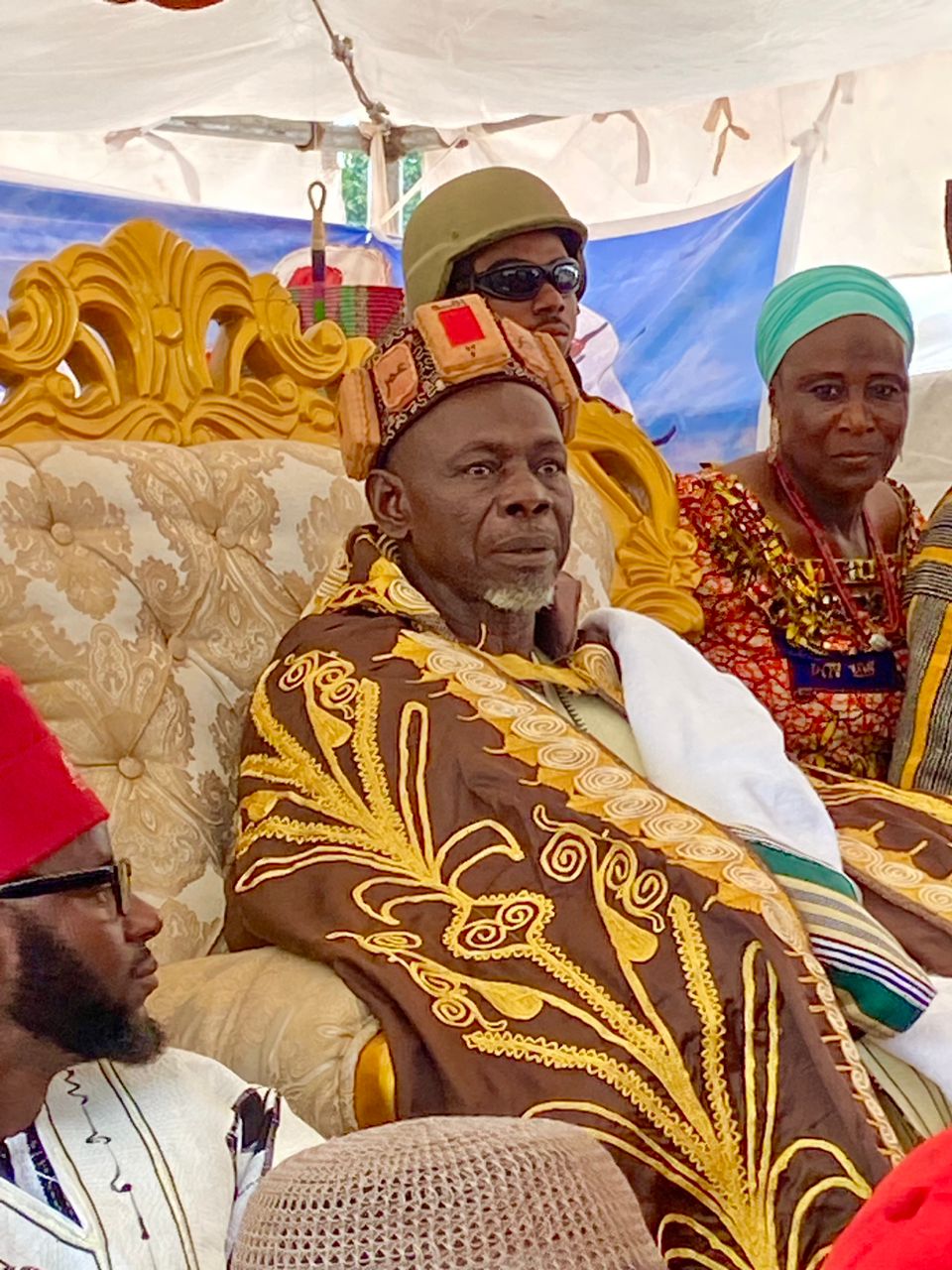

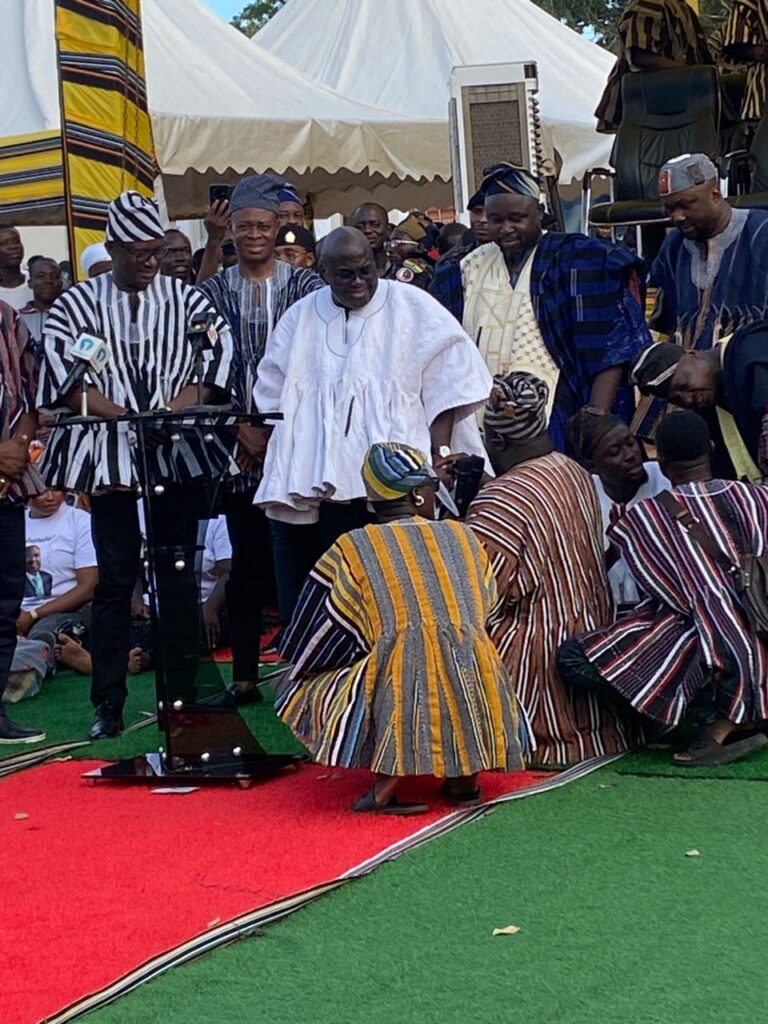
The 2026 Damba Festival of the Gonja King climaxed at the Jakpa Palace in Damongo on Sunday, 30th August, 2026 with a powerful call for unity, peace, education and accelerated development in Gonjaland and the Savannah Region.
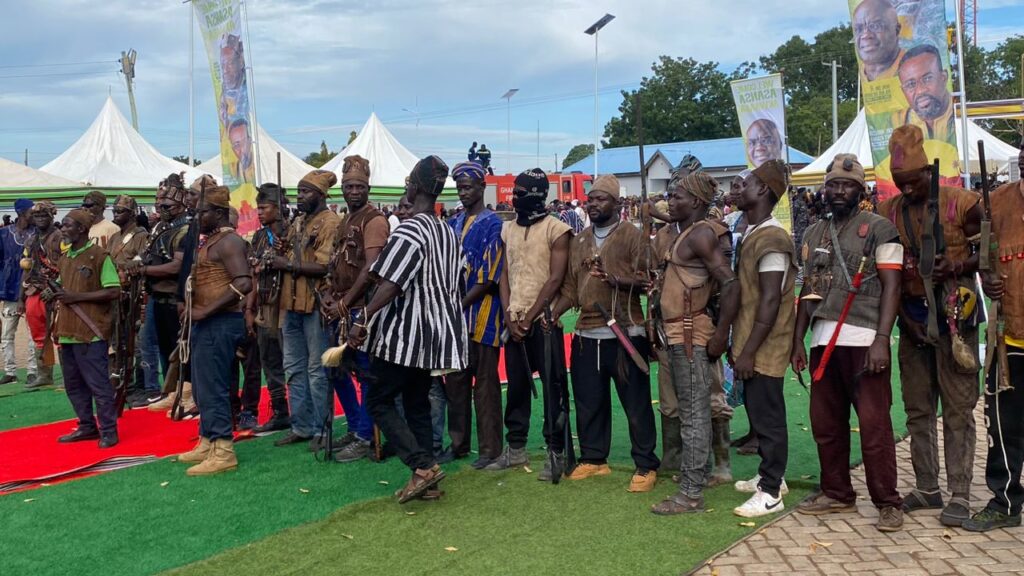
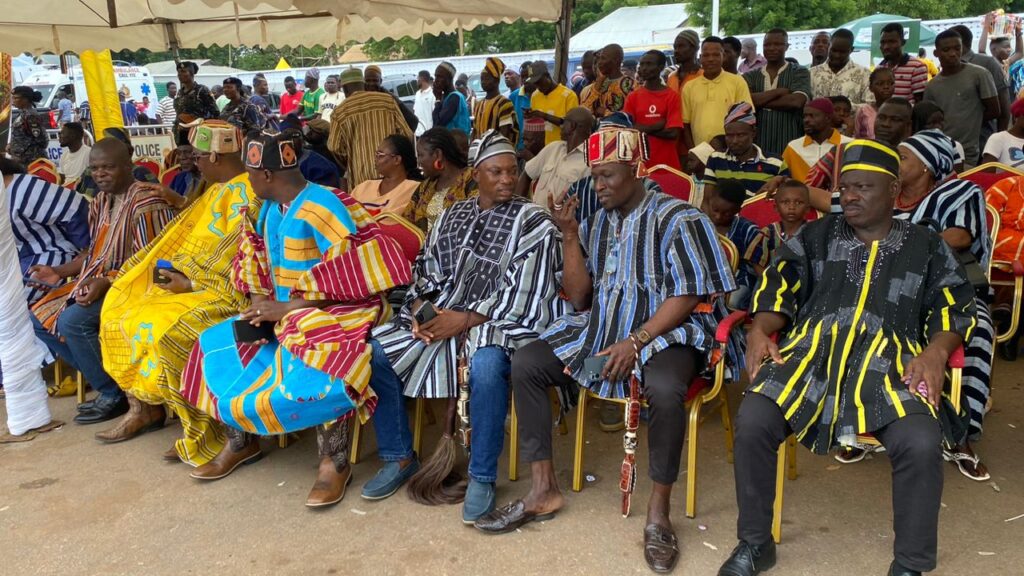
The festival, which began on Friday, August 28, brought together traditional rulers, government officials, religious leaders, politicians, security agencies and citizens for a celebration of Gonja culture, history and heritage.
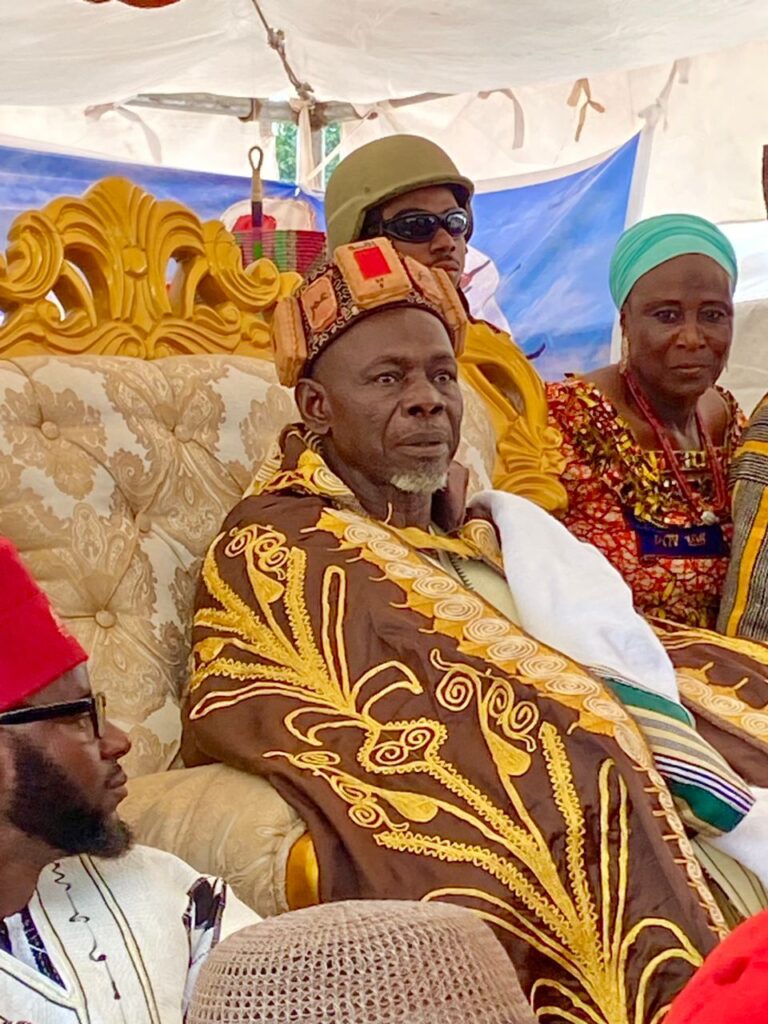
Speaking at the grand durbar, the King and Overlord of the Gonja Kingdom and President of the Savannah Regional House of Chiefs, His Royal Majesty Yagbonwura Bii-Kunuto Jewu Soale I, said Damba was more than a celebration of drumming and dancing, describing it as an important occasion for the Gonja people to reconnect with their history, religion, identity and traditions.
The celebration was held on the theme: “Celebrating Our Heritage: The Role of Traditional Leadership in Promoting Unity and Development.”
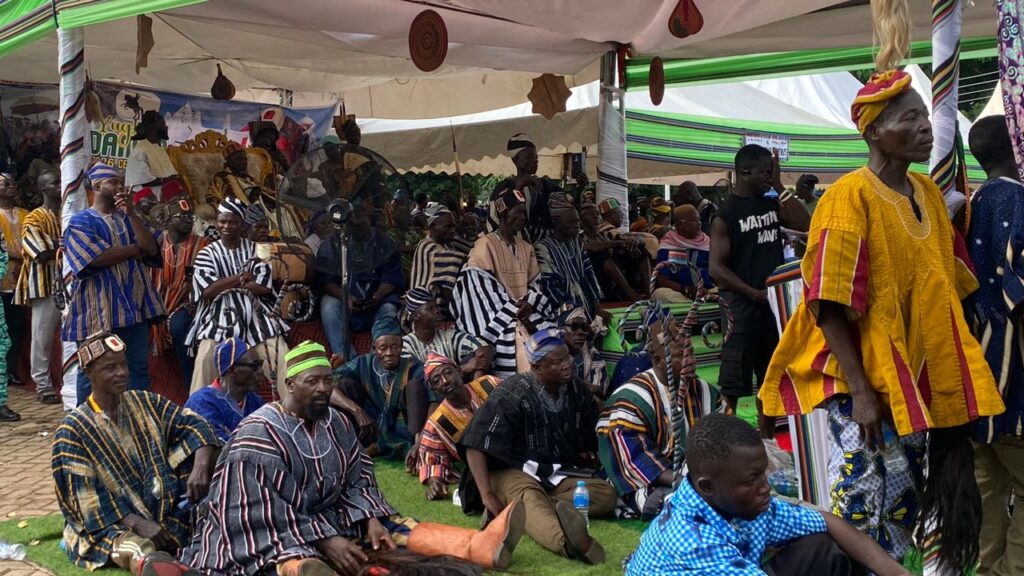
The Yagbonwura said the theme was timely because traditional authorities had a critical role to play not only in preserving culture but also in promoting peace and development.
He called on chiefs, politicians, religious leaders, youth groups, civil society organisations and citizens to put the interests of the people ahead of partisan and personal considerations.
According to him, the Gonja Kingdom comprises people of different political persuasions, religions and backgrounds, but such diversity should strengthen rather than divide the people.
He urged citizens to avoid allowing political differences to destroy relationships, stressing that political opponents remained brothers and sisters after elections.
Education emerged as one of the major priorities at the durbar, with the Yagbonwura highlighting the establishment of the Bii-Kunuto Educational Fund to support brilliant but needy students in the Savannah Region.
The King announced that the Fund had paid US$20,000 in outstanding tuition fees for Kassim Bakari, a young Gonja student undertaking Commercial Pilot Licence training at Paramount Aviation School in Johannesburg, South Africa.
Kassim, who was at the final stage of his training but had been withdrawn because of outstanding fees, has now been able to resume his programme.
The Yagbonwura said Kassim could become the first commercial pilot from Gonjaland upon successful completion of his training.
He described the intervention as evidence of the kingdom’s commitment to investing in the education and professional development of young people.
The King appealed to individuals, businesses, organisations and development partners to support the Fund so that it could extend similar opportunities to other talented but needy young people across Gonjaland.
The Chief of Staff to President John Dramani Mahama, Dr. Julius Debrah, who represented the President as Special Guest of Honour, pledged government support for the educational initiative.
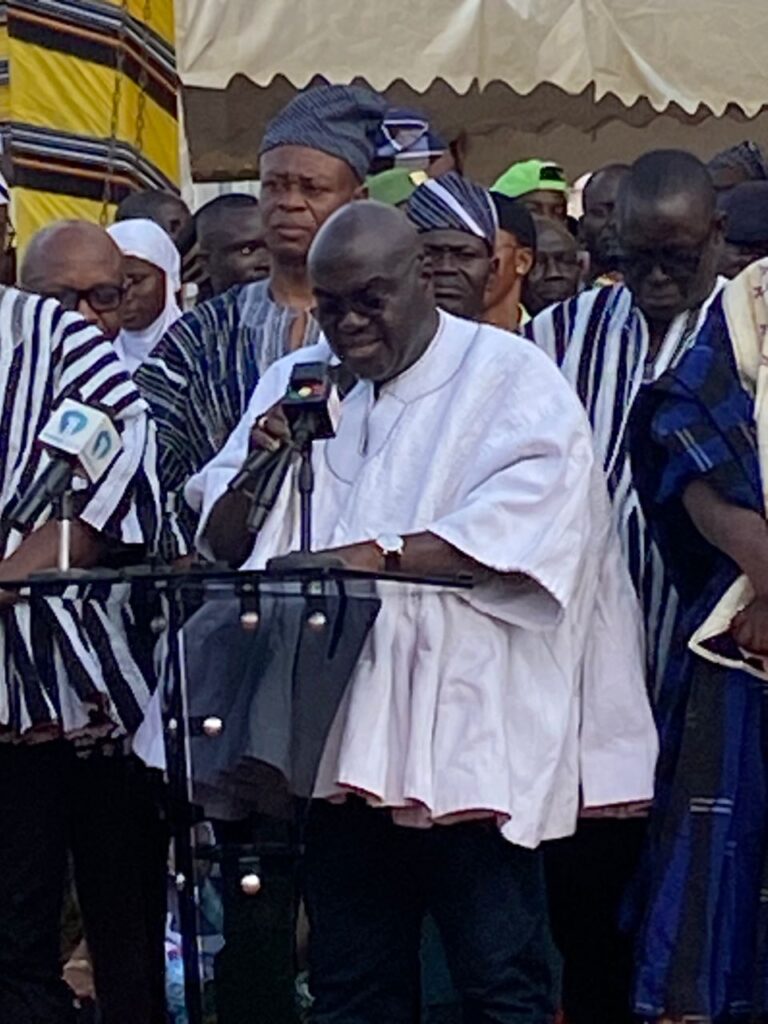
Dr. Debrah said President Mahama had instructed him to ensure that government agencies supported the Bii-Kunuto Educational Fund.
He also appealed to the private sector and Gonja people across the world to contribute to the initiative.
In a personal show of support, Dr. Debrah announced a GH¢200,000 contribution to the Fund and pledged to make additional contributions in the future.
He said the gesture was made in gratitude to the Gonja Kingdom and in recognition of the importance of creating opportunities for young people.
Delivering President Mahama’s message, he said the President, who was unable to attend because he was outside the country, remained connected to his people and had personally asked him to attend the festival.
Dr. Debrah praised the Gonja Kingdom for preserving its heritage and said the Damba Festival offered Ghana an important reminder of the value of faith, courage, dignity and unity.
He said political disagreements were necessary in a democracy, but they should not turn citizens into enemies.
“Unity does not mean silence and accountability does not require hostility,” he stressed, urging Ghanaians to demand results from their leaders while maintaining mutual respect.
He said Ghanaians might belong to different political parties, but after elections they remained one people and one nation.
The Chief of Staff also highlighted several development priorities for the Savannah Region, including education, rural electrification and water supply.
He cited projects such as the College of Education at Bole, the proposed University of Science and Technology, the STEM School at Tinga and the Girl STEM School at Kusunu as important investments in the region’s future.
On electricity, he said rural electrification remained a government priority and called for work to continue until communities across the region were connected.
Dr. Debrah further announced that financing had been committed for the Damongo water supply system, with procurement underway.
He said the development of the region must be matched with peace, warning that unresolved land and succession disputes could delay projects and undermine community development.
He assured traditional authorities that government would support lawful and peaceful settlements of disputes.
The Yagbonwura also commended the NDC government for initiatives including the 24-Hour Economy, Big Push infrastructure programme, Adwumawura, Free Primary Health Care Programme, agricultural transformation and measures aimed at stabilising the cedi.
He urged government to expedite ongoing projects in the Savannah Region to ensure their timely completion.
He also commended the Governor of the Bank of Ghana, Dr. Johnson Pandit Asiama, who chaired the durbar, for his leadership and efforts towards economic and monetary stability.
The King used the occasion to issue a strong warning about drug and substance abuse among young people.
He described the trend as a serious threat to the future of the Savannah Region, warning that drug abuse could destroy young people’s health, education, families and prospects.
He urged the youth to choose education, skills training, entrepreneurship, agriculture and sports, while calling on parents, chiefs, teachers, religious leaders and security agencies to work together to address the problem.
Dr. Debrah similarly challenged the youth to take charge of their future by developing ideas and creating opportunities rather than waiting for government to do everything for them.
He said government could open doors, but young people had to be prepared to walk through them.
As the colourful Damba celebrations came to an end, both traditional and government representatives stressed that the festival should serve as a springboard for practical development.
Dr. Debrah said Gonjaland had contributed significantly to Ghana’s development through farmers, traders, scholars and professionals and deserved sustained investment in return.
He concluded with a call for peace, prosperity and renewed commitment to the region, saying the Damba celebration should remind Ghanaians that “unity is our strength, service our duty and development our shared responsibility.”
The 2026 Damba Festival, which began on August 28 and climaxed with the grand durbar on Sunday, August 30, thus ended not only as a celebration of Gonja heritage but also as a renewed pledge by traditional authorities and government to invest in education, promote unity, resolve conflicts peacefully and accelerate development across Gonjaland and the Savannah Region.
Source: Padfm.com.gh/Kumatey Gorden/0243531604