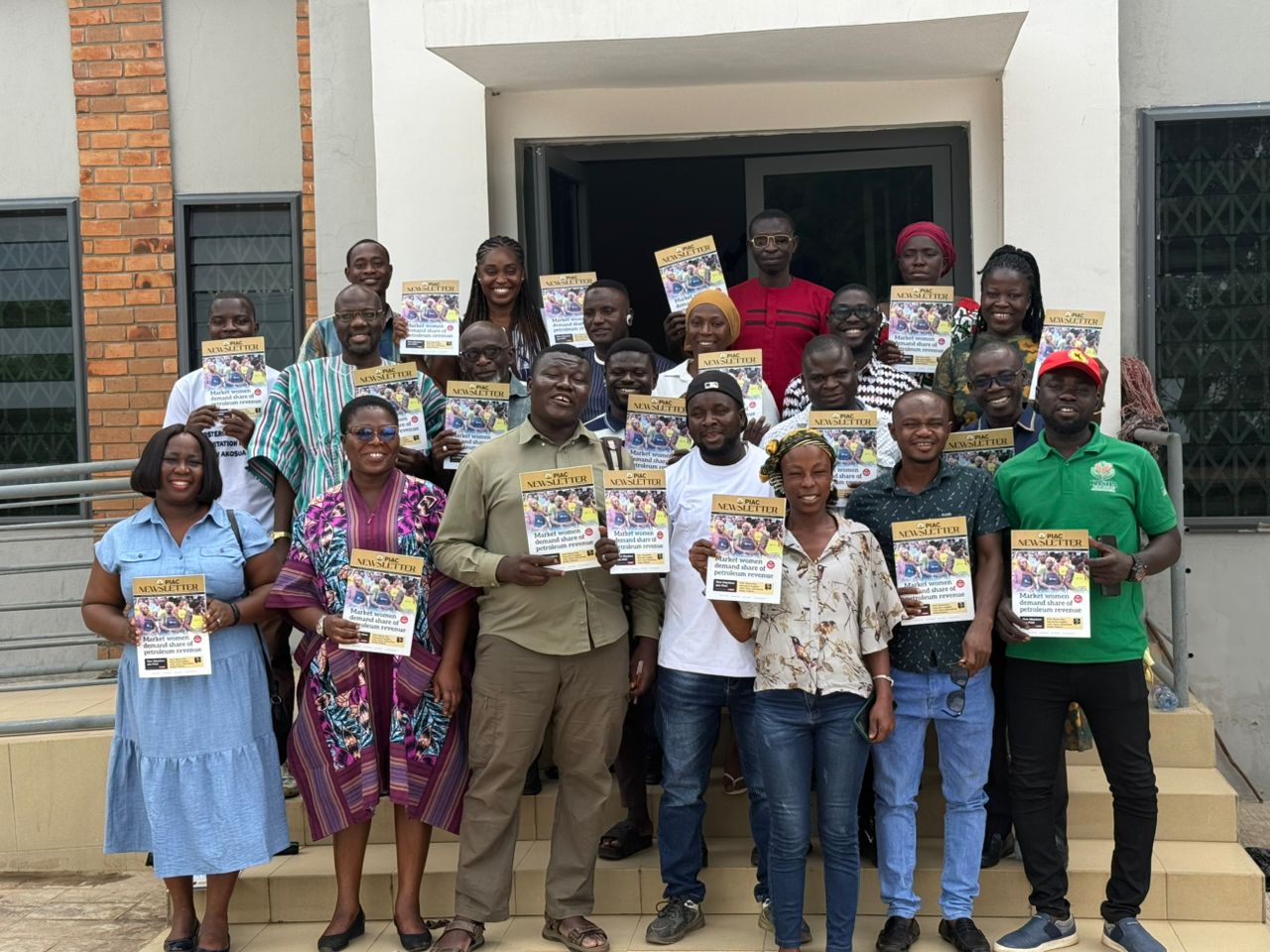

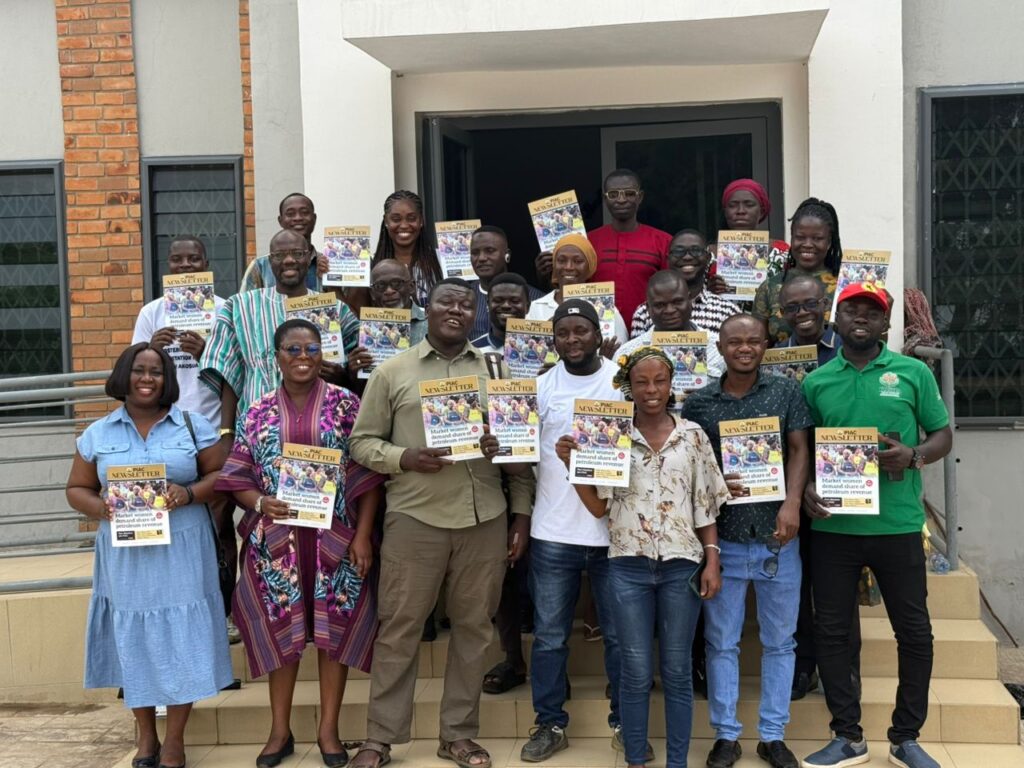
The Public Interest and Accountability Committee (PIAC) has intensified its nationwide transparency campaign with a zonal media engagement in the Savannah Region, aimed at equipping journalists with the knowledge and tools to effectively report on Ghana’s oil and gas sector.
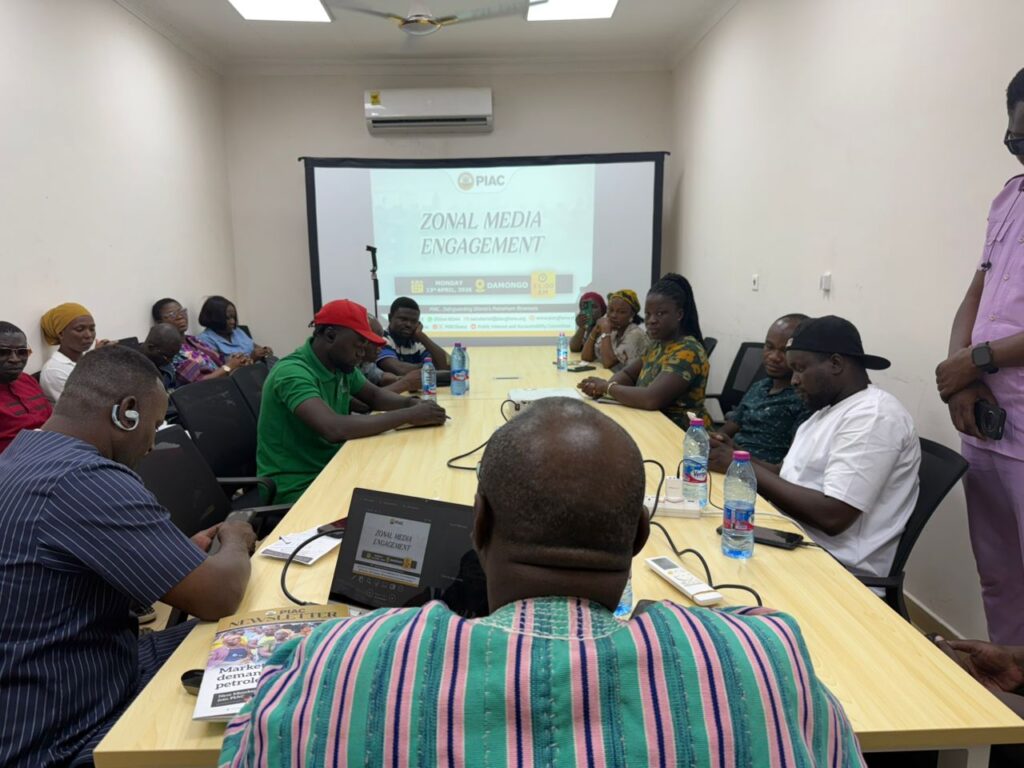
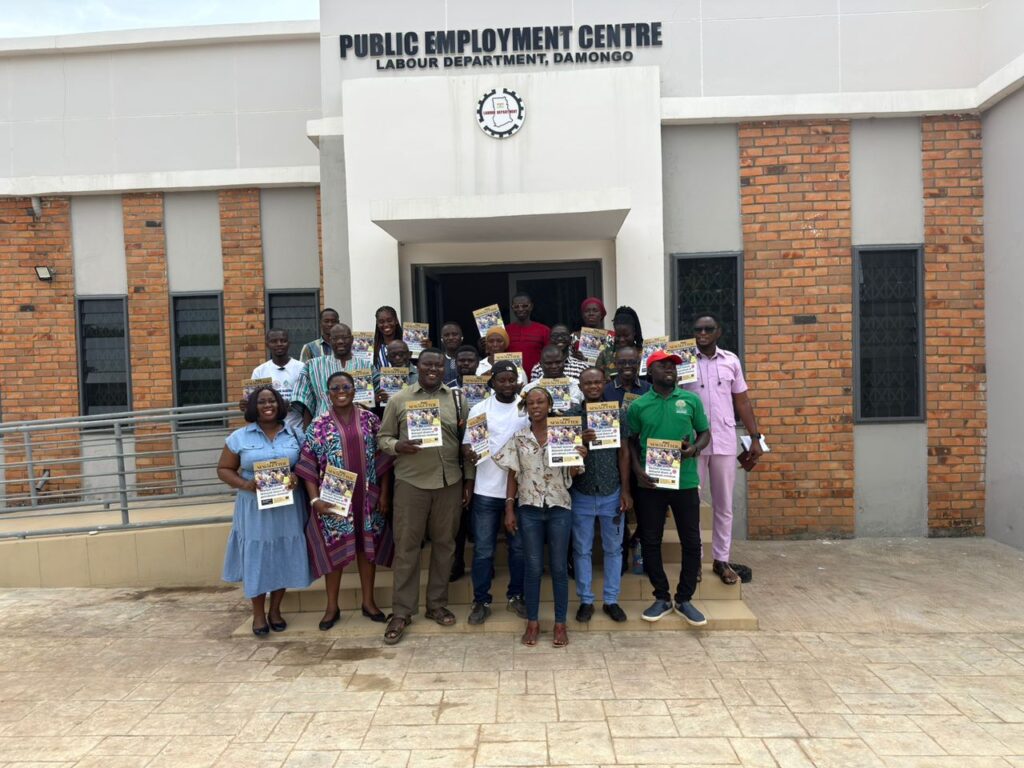
Held on Monday, April 13, 2026, at the Labour office Conference Hall in Damongo, the engagement formed part of PIAC’s mandate under the Petroleum Revenue Management Act (PRMA), 2011, to promote public awareness and accountability in the management of petroleum revenues.
The event brought together journalists from across the region for a capacity-building workshop designed to reshape perspectives on oil and gas reporting, an area widely considered critical but often underreported outside major urban centers.
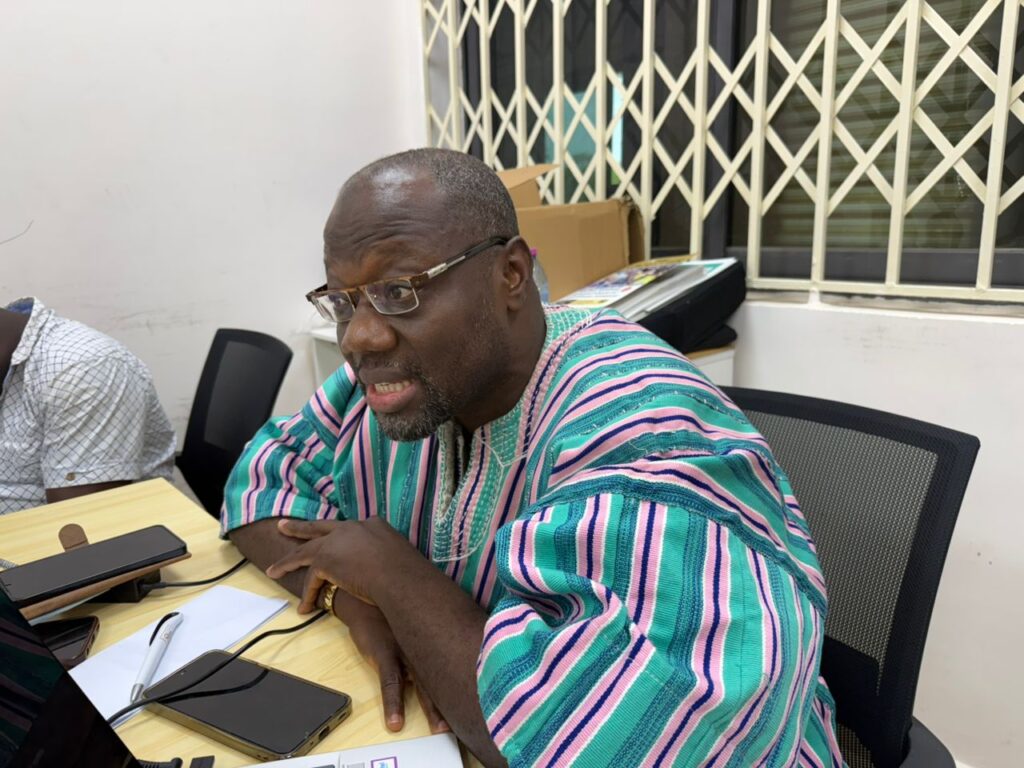
Speaking at the engagement, Zambaga Rufai Saminu, Chairman of PIAC’s Public Affairs and Communications Sub-Committee, underscored the importance of the initiative, describing it as a transformative step toward strengthening journalism in the northern sector of the country.
He urged journalists to take a more active interest in oil and gas reporting, stressing that the industry remains a key pillar of Ghana’s economy. According to him, the media plays a crucial role in shaping public understanding and must rise to the responsibility of informing citizens on how petroleum resources are managed.
Saminu Rufai challenged participants to see oil and gas reporting not as a specialized niche, but as a collective duty. He emphasized that transparency is essential in building trust between government and citizens, noting that without clear and accessible information, people remain disconnected from decisions that directly impact their livelihoods.
“The media must bridge that gap,” he stressed, highlighting the watchdog role journalists play in holding institutions accountable.
He further noted that accountability is not optional but a fundamental obligation, particularly for institutions managing the country’s petroleum resources. Journalists, he said, are central to ensuring that these entities remain answerable to the public.
Touching on regulatory compliance, Saminu explained that laws governing the petroleum sector are designed to safeguard national interests and ensure that Ghana’s resources benefit both present and future generations.
The PIAC delegation’s presence in the Savannah Region reflects a deliberate effort to decentralize critical national conversations around oil and gas. Historically concentrated in major cities, such discussions have often excluded regional media practitioners.
This engagement marks a significant shift, signaling PIAC’s commitment to inclusive dialogue and nationwide capacity building in the quest for transparency and accountability in Ghana’s petroleum sector.
Source: Padfm.com.gh/Kumatey Gorden/0243531604