
Abdulai Zulkaninu
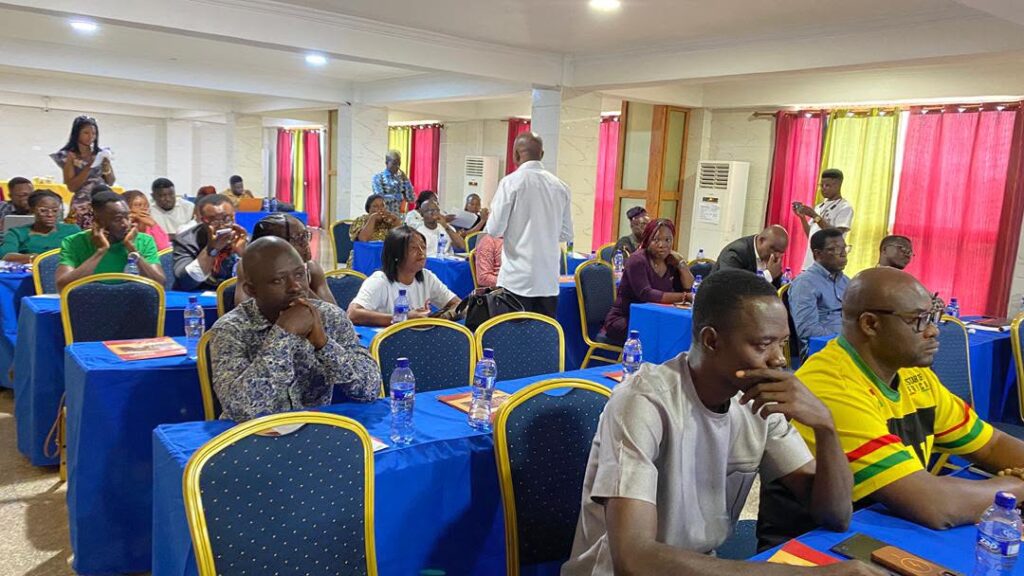
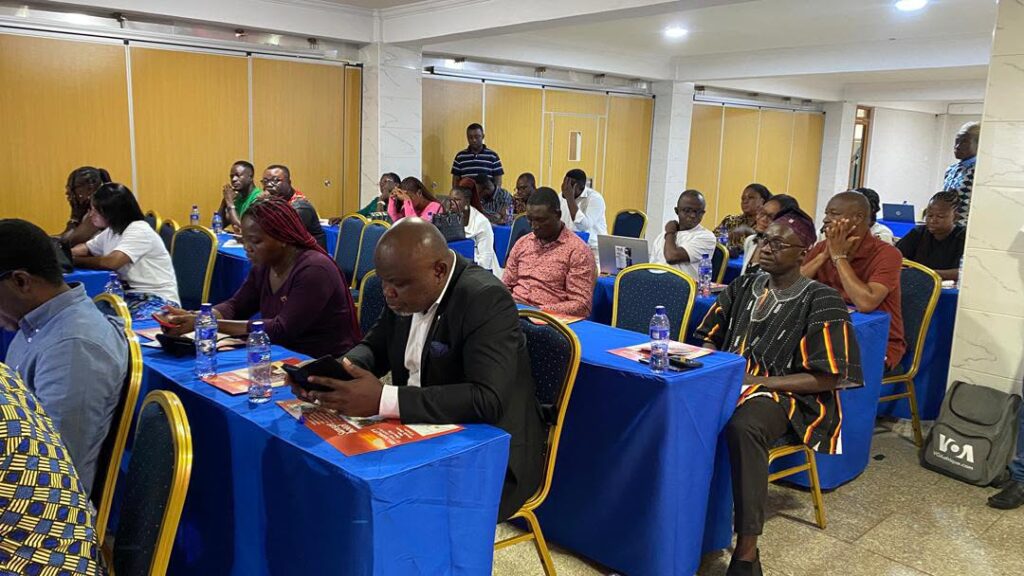
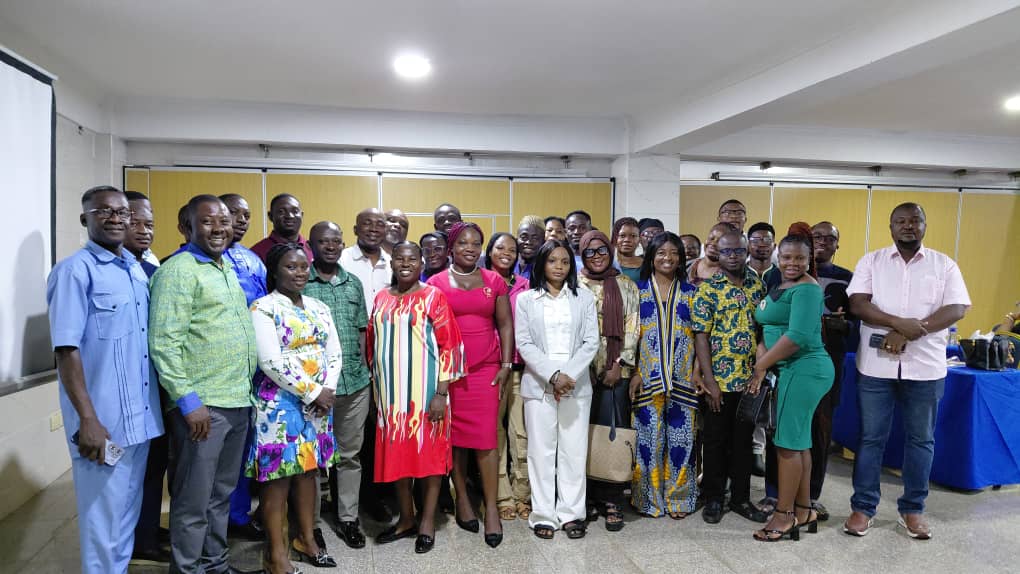
Journalists from Northern Ghana and the Bono Sector have enhanced their knowledge and skills in Public Financial Management (PFM) and Fiscal Decentralisation through a two-day capacity-building workshop aimed at strengthening media oversight, accountability, and evidence-based reporting on public finances.
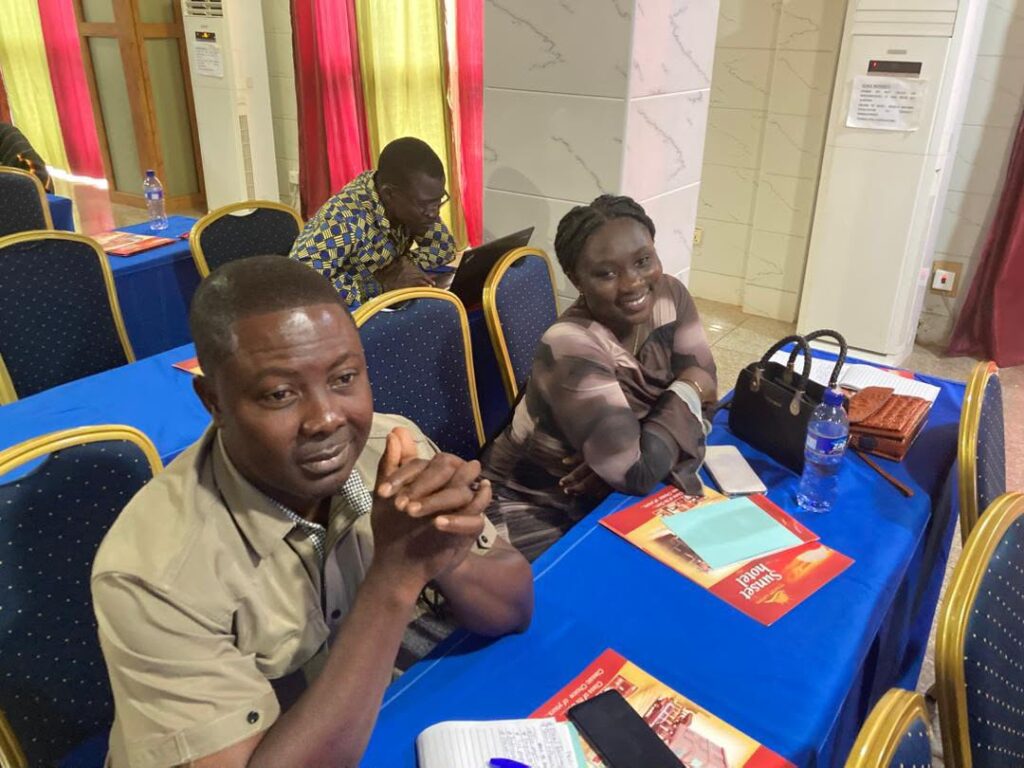
The workshop, held from June 22 to 23, 2026, at the Sunset Hotel in Kumasi, was organised by the German Development Cooperation (GIZ) in partnership with the Media Foundation for West Africa (MFWA) under the Participation, Accountability and Integrity for a Resilient Democracy (PAIReD) Programme.
It brought together selected journalists from the Upper East, Upper West, North East, Northern, Savannah, Bono, Bono East, and Ahafo regions.
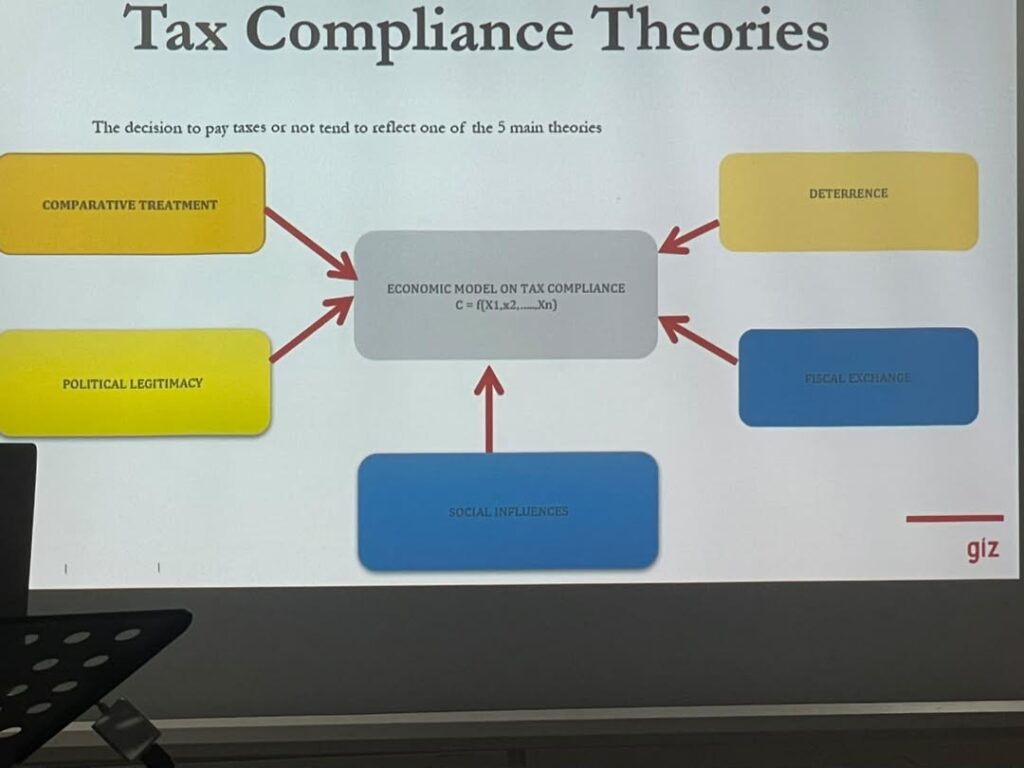
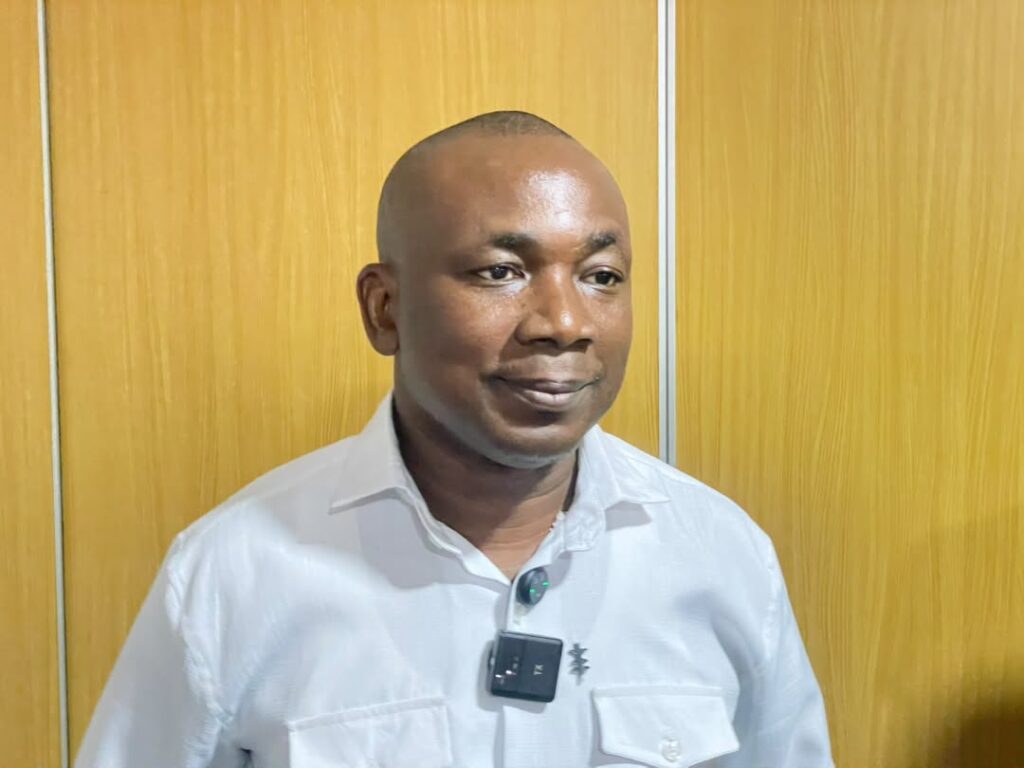
Facilitated by Professor Godfred A. Bokpin, an economist and lecturer at the University of Ghana, the training focused on equipping journalists with practical skills in budget analysis and fiscal decentralisation. Participants were introduced to the Budget Analysis Framework, covering Revenue Analysis, Expenditure Analysis, and Variance Analysis.
Professor Bokpin explained how journalists can assess key revenue sources, including Internally Generated Funds (IGF), the District Assemblies Common Fund (DACF), grants, fees, and other inflows to evaluate performance trends, sustainability, and accountability.
He also outlined techniques for examining public expenditure to identify inefficiencies, waste, and cost overruns, while determining whether government spending aligns with approved development priorities.
On variance analysis, participants learned how to compare budget estimates with actual financial performance to identify deviations, understand reasons for underperformance or overspending, and produce informed reports that promote transparency in public financial management.
Professor Bokpin stressed that the media has a crucial responsibility to scrutinise public budgets and expenditures, simplify complex financial information, and keep citizens informed about the management of public resources. Practical sessions using national budget data enabled participants to develop investigative reporting skills and strengthen their ability to track government spending.
Alhaji Aliu Aminu (PhD), a Technical Advisor from the GIZ – PAIReD Programme noted that weak oversight and accountability often contribute to the misuse of public resources and poor service delivery. He emphasised that empowering journalists with knowledge of public financial management would enhance public interest journalism and deepen citizen participation in governance, and also appealed to journalists to implement knowledge and skills gained efficiently to help reduce wastages at the sub-national levels.
The training forms part of the broader PAIReD Programme, commissioned by Germany’s Federal Ministry for Economic Cooperation and Development (BMZ), co-financed by the European Union and the Swiss State Secretariat for Economic Affairs (SECO), and implemented by GIZ in collaboration with Ghana’s Ministry of Finance.
Participants expressed appreciation to the organisers for what they described as a timely and insightful workshop. They pledged to apply the knowledge gained in producing impactful stories that promote transparency, accountability, and the prudent management of public resources across their respective regions.