
Damongo – May 19, 2026
The Savannah Regional Director of the National Commission for Civic Education, Mr. Issaka Zitor, has called on students and the general public to actively report suspected corrupt practices to security agencies, stressing that corruption continues to hinder the growth and development of young people in Ghana.
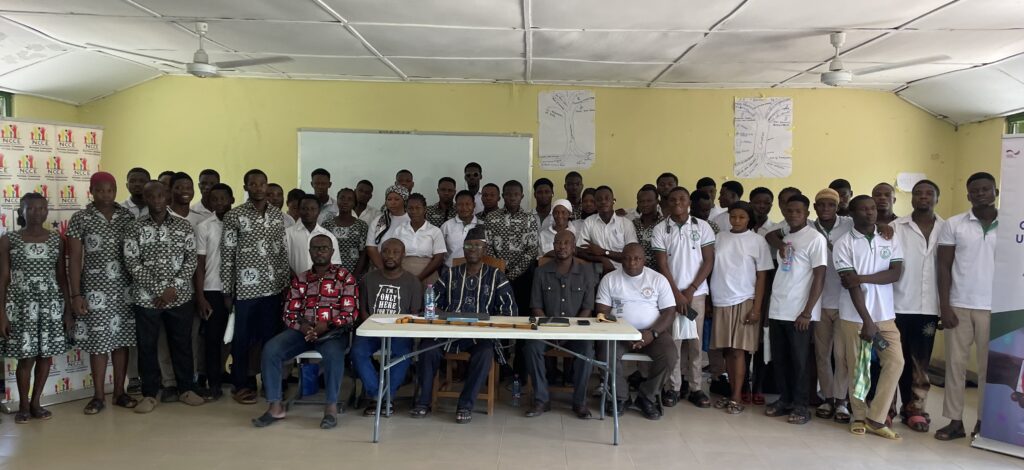
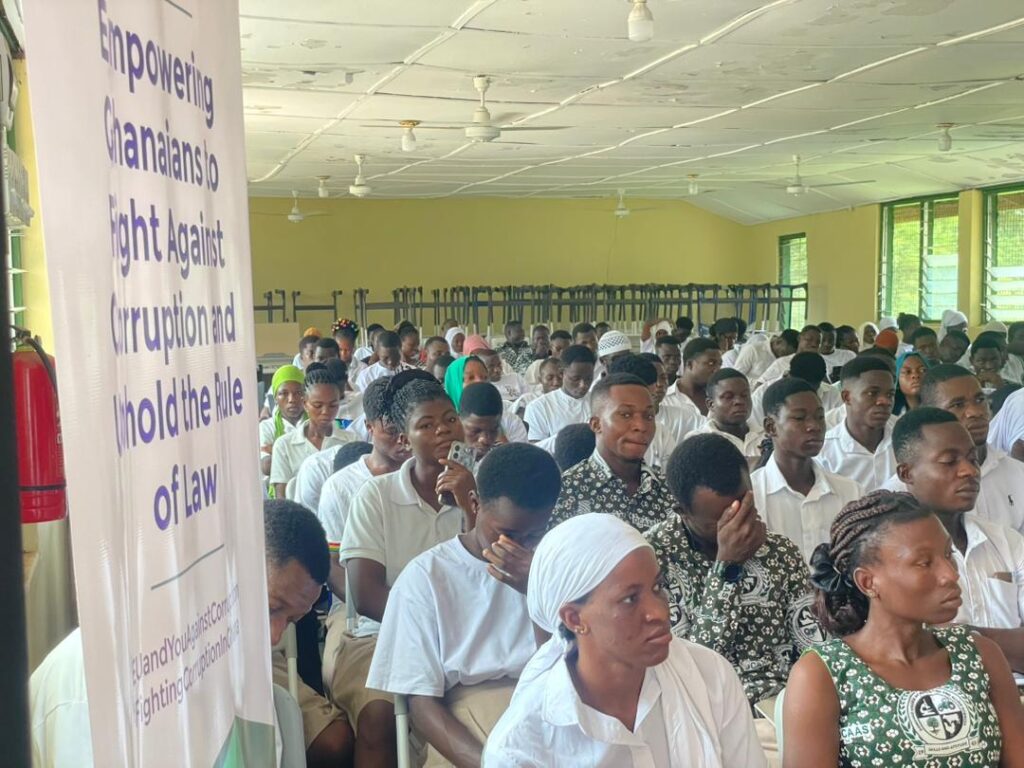
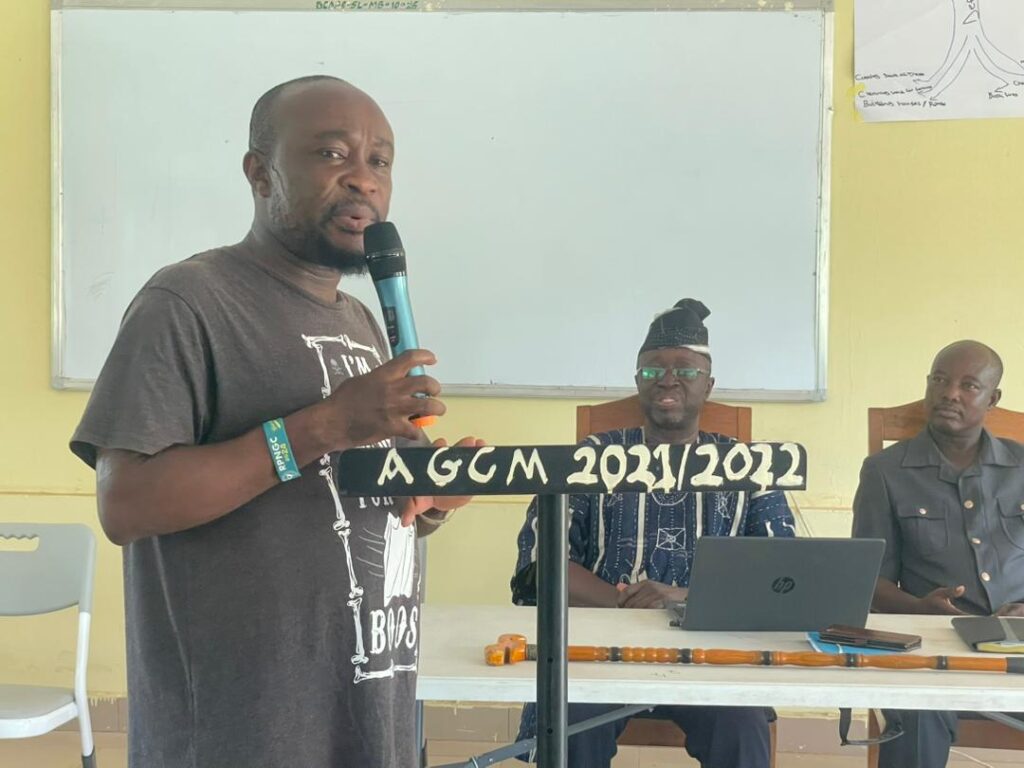
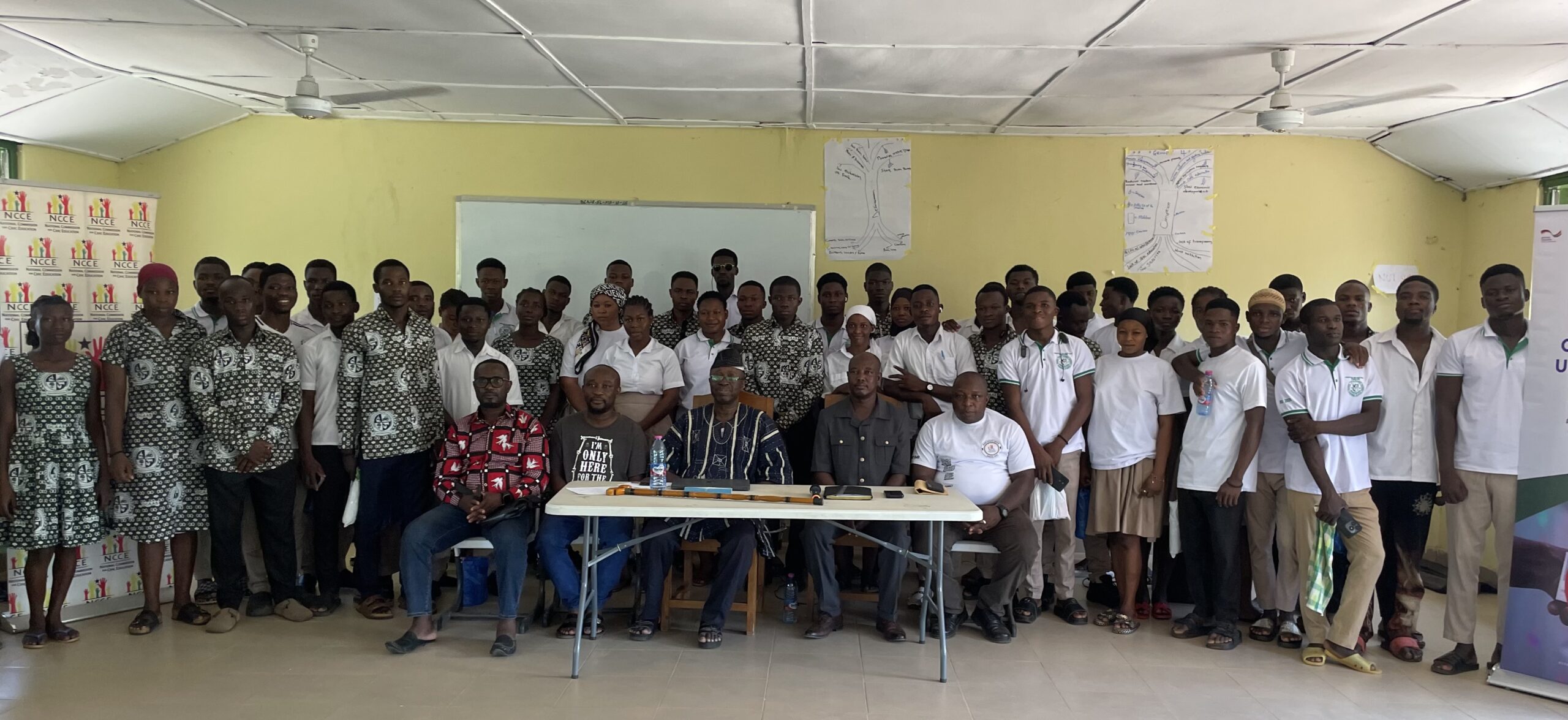
Mr. Zitor made the call during an engagement with students and lecturers of Damongo College of Agriculture and Allied Sciences, popularly known as DAGRICO, on Tuesday, May 19, 2026, in Damongo.
The engagement formed part of the ongoing implementation of the “Civic Engagements on the Rule of Law and the Fight Against Corruption” under the Participation, Accountability and Integrity for Resilient Democracy (PAIReD) Programme, supported by the European Union, GIZ and the National Commission for Civic Education as the implementing institution.
Addressing participants on the theme, “The Need for the Youth to Participate in the Fight Against Corruption to Engender Peace, Security and National Development,” Mr. Zitor explained that corruption undermines national progress and deprives young people of access to quality education, employment opportunities and essential social services.
He noted that the World Bank defines corruption as “the abuse of entrusted power for private gain,” adding that bribery, absenteeism, extortion and fraud remain common forms of corrupt practices in society.
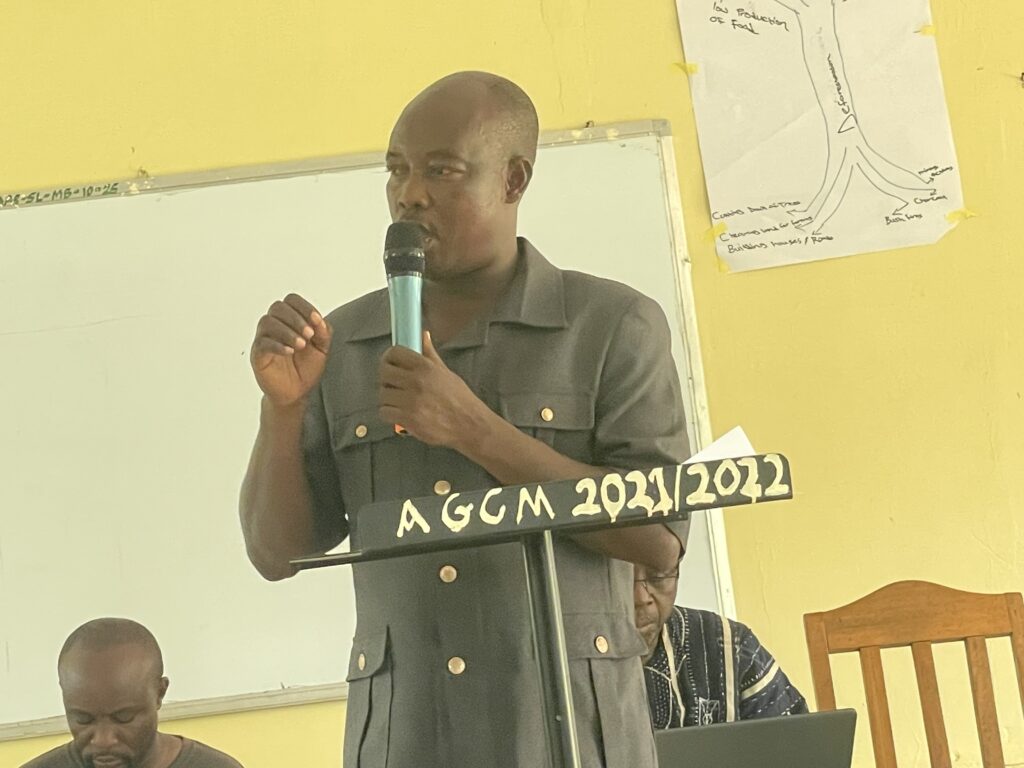
According to him, young people have a critical role to play in combating corruption by exposing wrongdoing and supporting accountability measures in their communities and institutions.
“I wish to call on the youth to play an active role in the fight against corruption by reporting corrupt practices to the appropriate security agencies for investigation and prosecution,” he stated.
Mr. Zitor further emphasized the importance of ethical leadership in promoting transparency, fairness and integrity in society. He explained that ethical leadership builds public trust, improves organizational performance and strengthens democratic governance.
He said weak adherence to ethical standards creates room for corruption and erodes confidence in public institutions, while ethical leadership promotes respect for the rule of law, human rights and the duties of citizens as enshrined in Article 41 of the 1992 Constitution of Ghana.
He urged the students, as future leaders of the country, to uphold integrity and accountability in their personal and professional lives in order to help build a sustainable democratic society founded on good governance.
He added that ethical leadership helps build public capacity to condemn corruption and make corrupt practices a “high-risk and low-gain activity” in Ghana.
Mr. Zitor expressed gratitude to the management, lecturers and students of DAGRICO for the opportunity to engage with them and encouraged participants to become ambassadors in the fight against corruption.
Chief Tolodompewura Abdallah Ahmed, a retired senior officer of the Commission on Human Rights and Administrative Justice (CHRAJ), and a certified Alternative Dispute Resolution officer, called on the students to uphold integrity, transparency and accountability in order to safeguard Ghana’s democracy and protect human rights. He said corruption and conflict of interest continue to undermine public trust, weaken institutions and deny citizens equal opportunities in society.
Speaking at the engagement with students on the topic “Safeguarding Our Democracy: Corruption, Ethics and Human Rights,” Chief Abdallah Ahmed explained that corruption is the abuse of entrusted power for private gain, while conflict of interest occurs when personal, family, business or political interests improperly influence official duties.
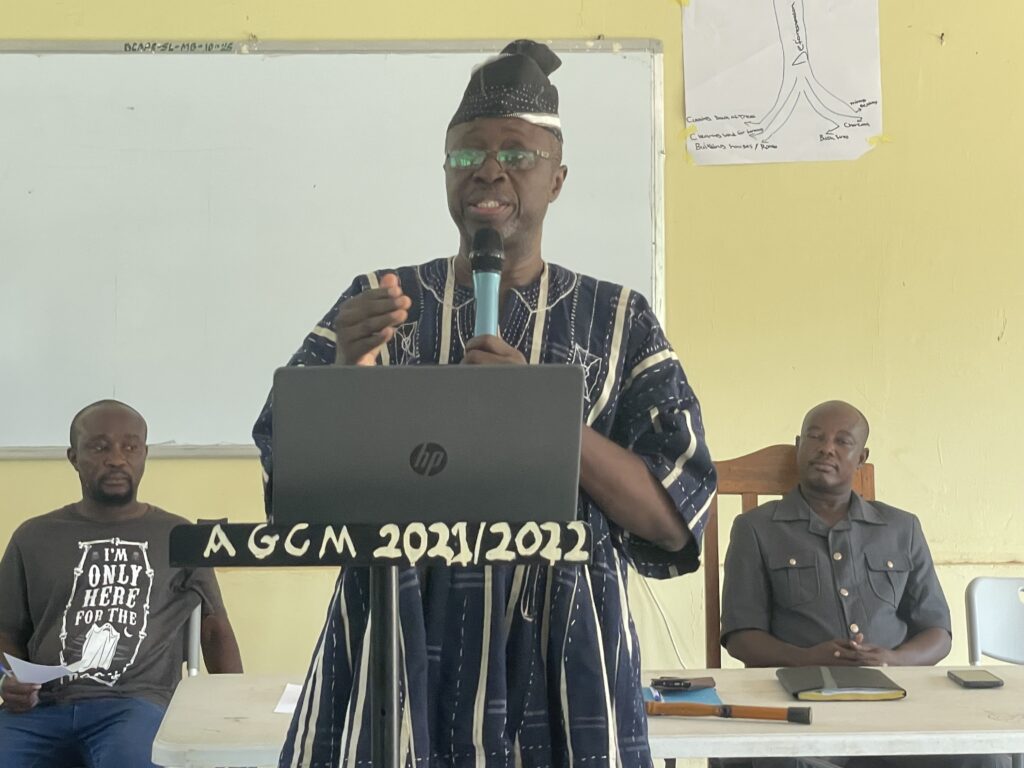
According to him, even the appearance of bias can damage public confidence in institutions. He cited examples including public officials awarding contracts to relatives, misuse of state resources for political activities, acceptance of expensive gifts from contractors and the use of personal influence to secure unfair advantages.
He stressed that such practices distort decision-making, waste public resources and discourage hardworking young people who lack connections.
The retired Alternative Dispute Resolution officer further noted that corruption directly violates fundamental human rights such as the rights to education, healthcare, work and a clean environment.
He observed that the diversion of public funds often results in poor schools, inadequate healthcare services and unemployment among qualified youth. He urged students to become defenders of democracy by promoting ethical leadership, fairness and respect for the rule of law in their schools and communities.
Chief Abdallah Ahmed encouraged the youth to use lawful channels such as Commission on Human Rights and Administrative Justice, the National Commission for Civic Education and other state institutions to report corruption and demand accountability from public officials.
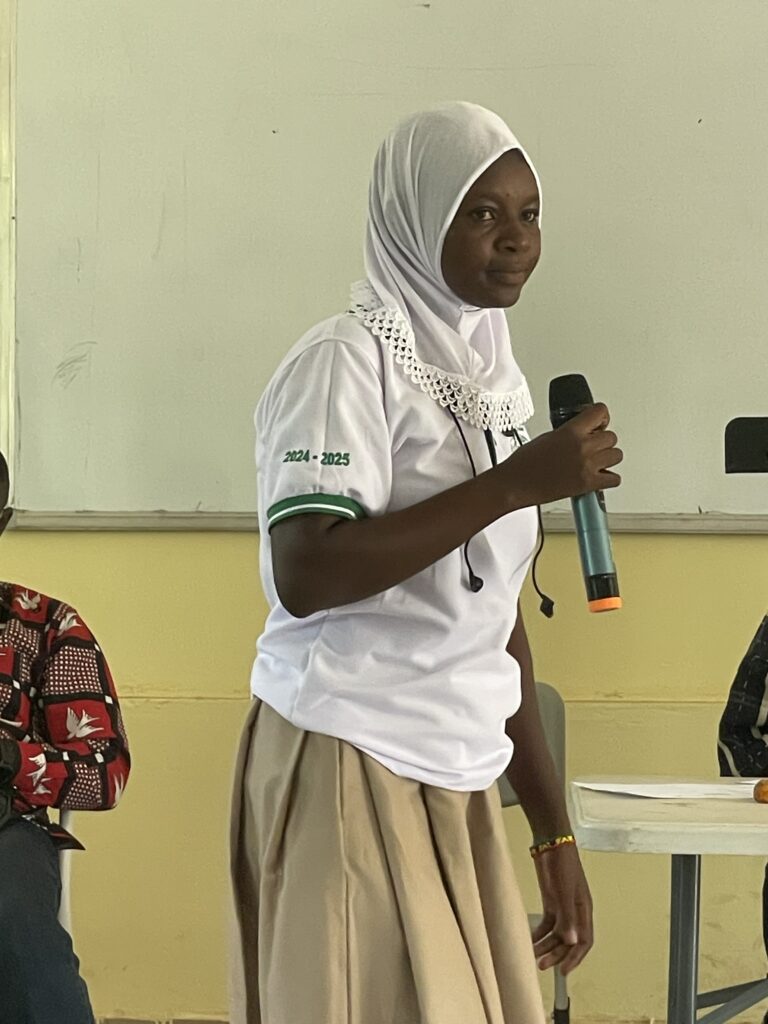
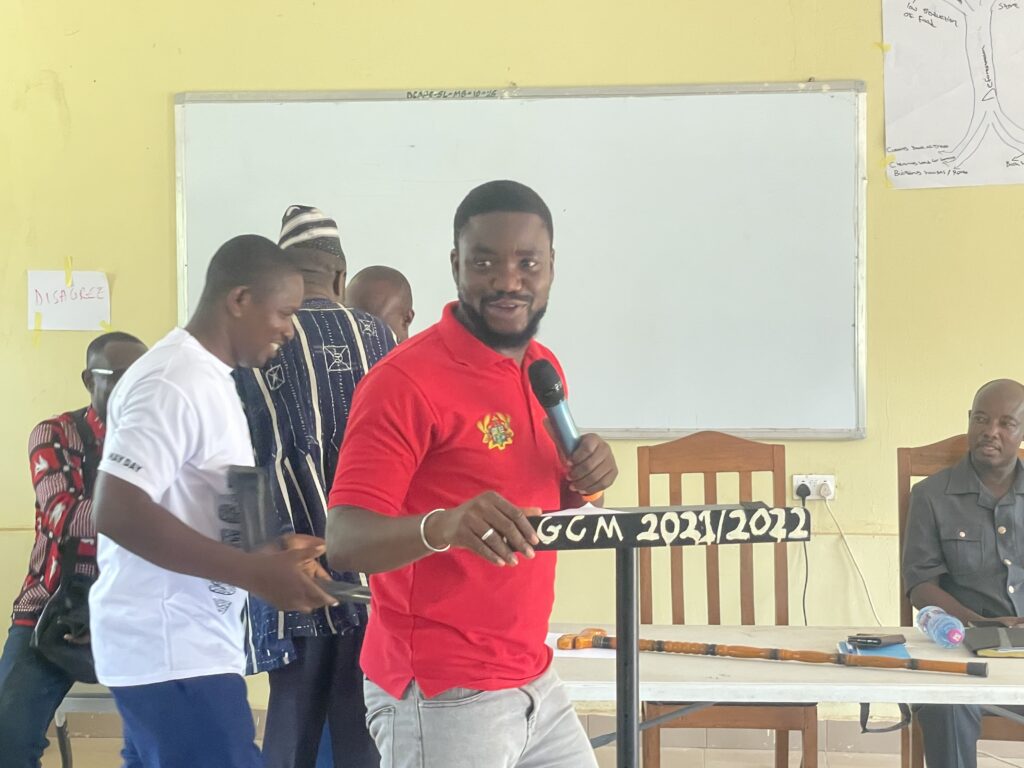
There’s questions and clarifications session where students and lecturers asked questions and the resources persons responded
Abdulai Zulkaninu
0242381890