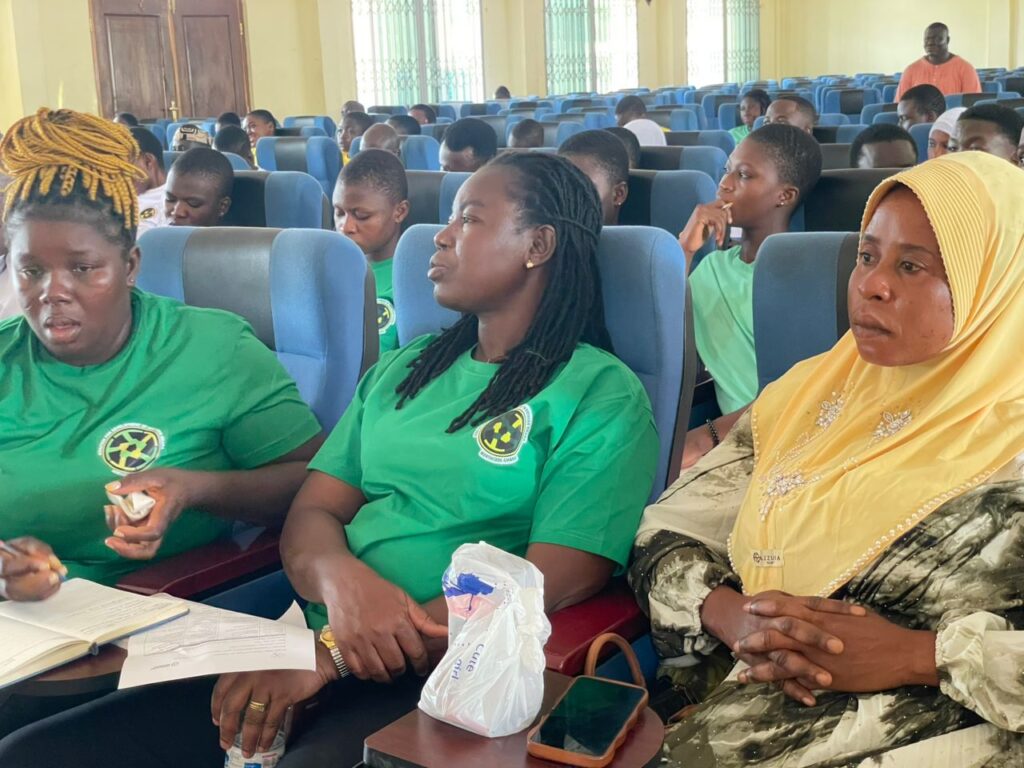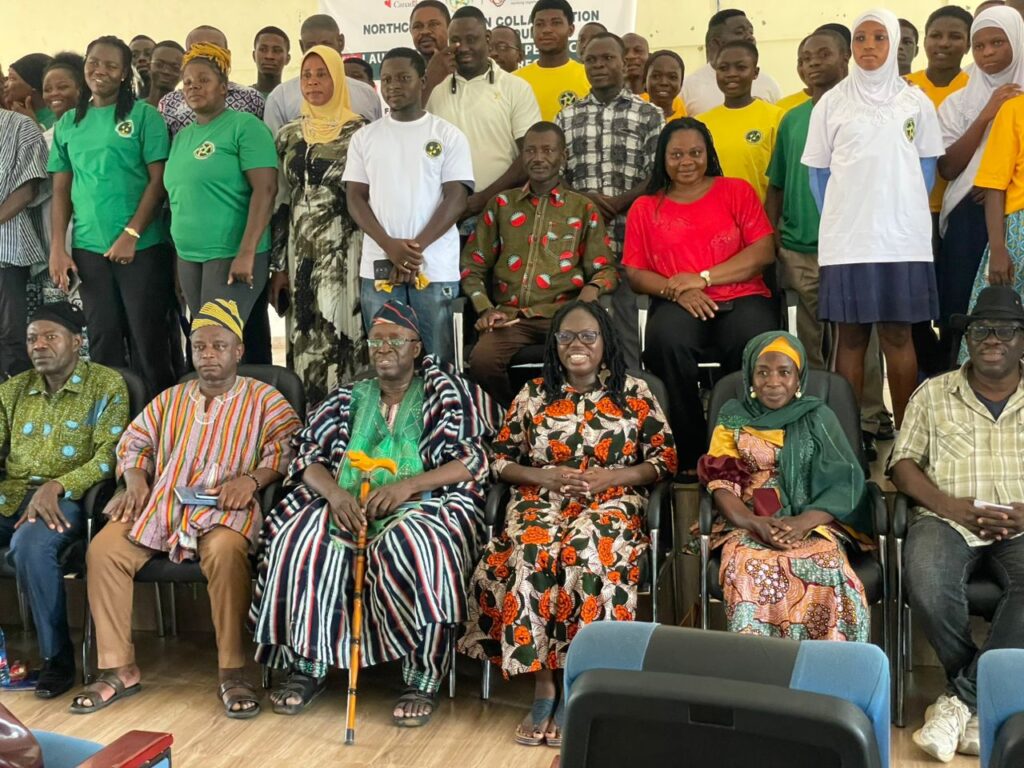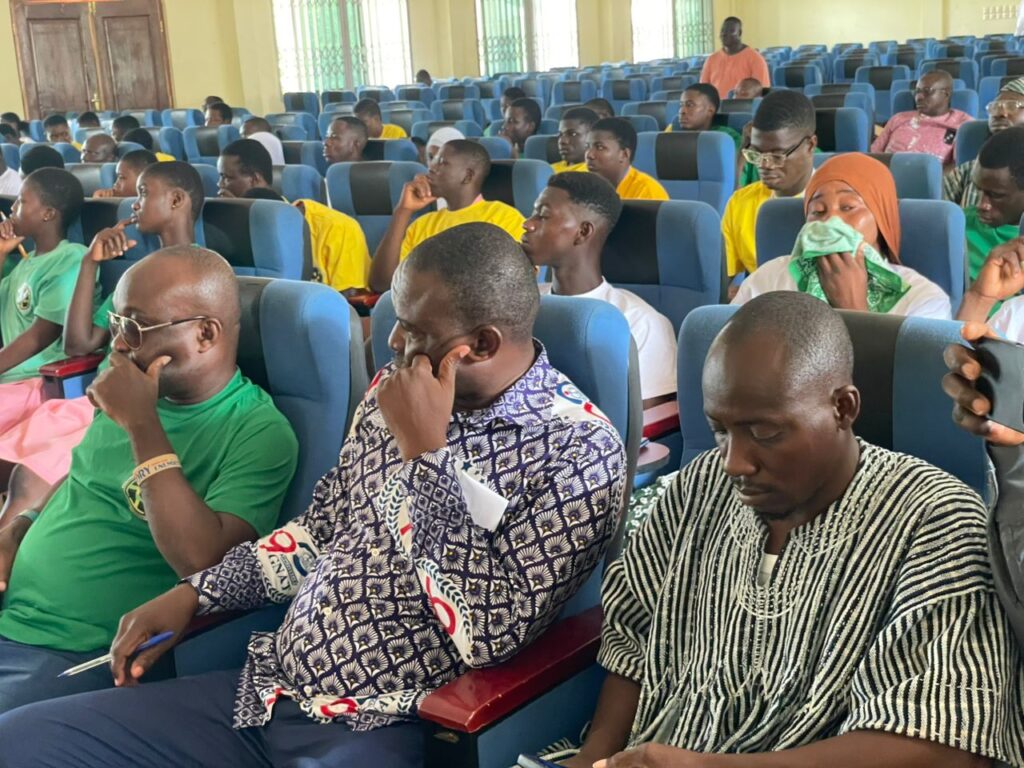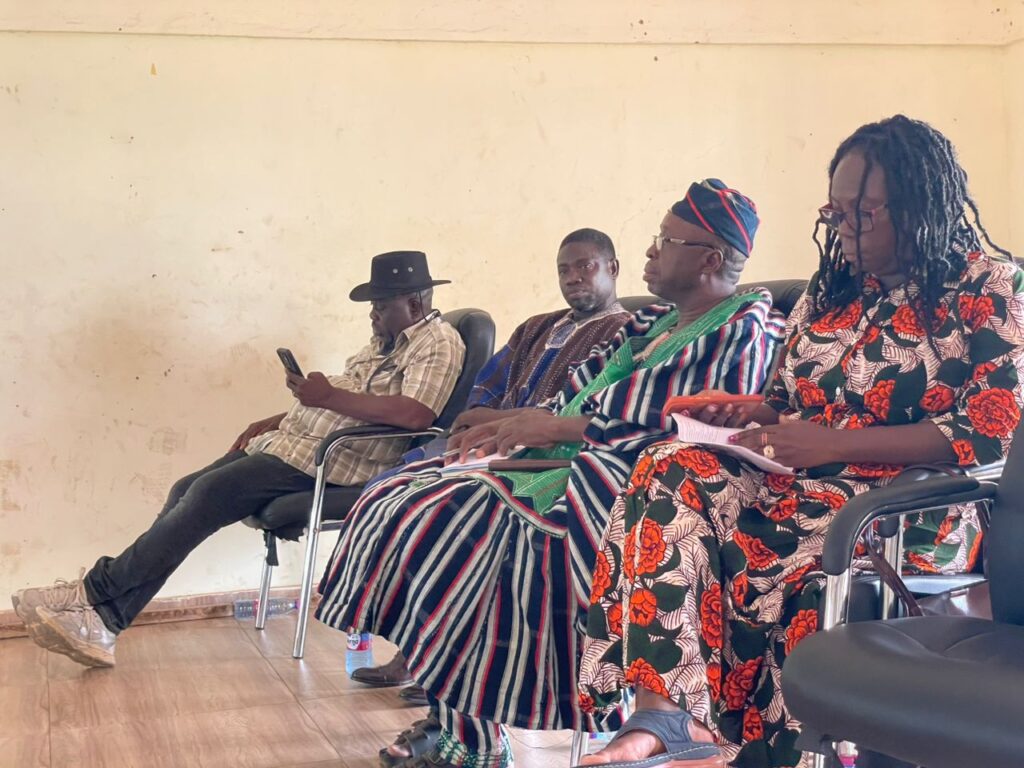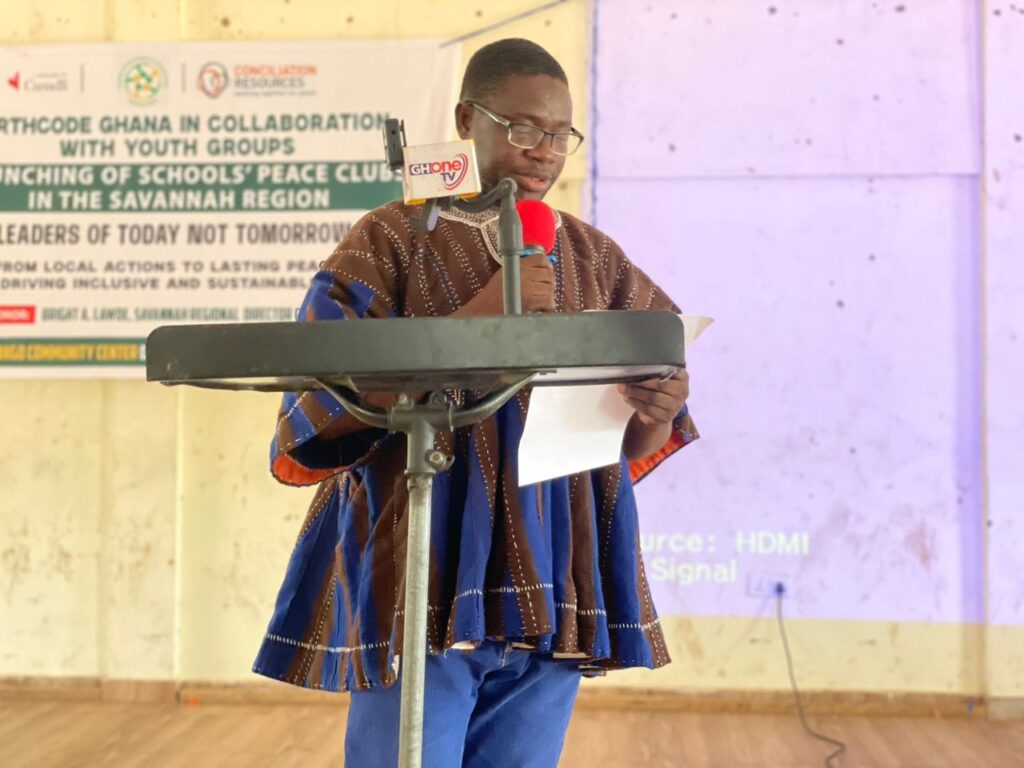
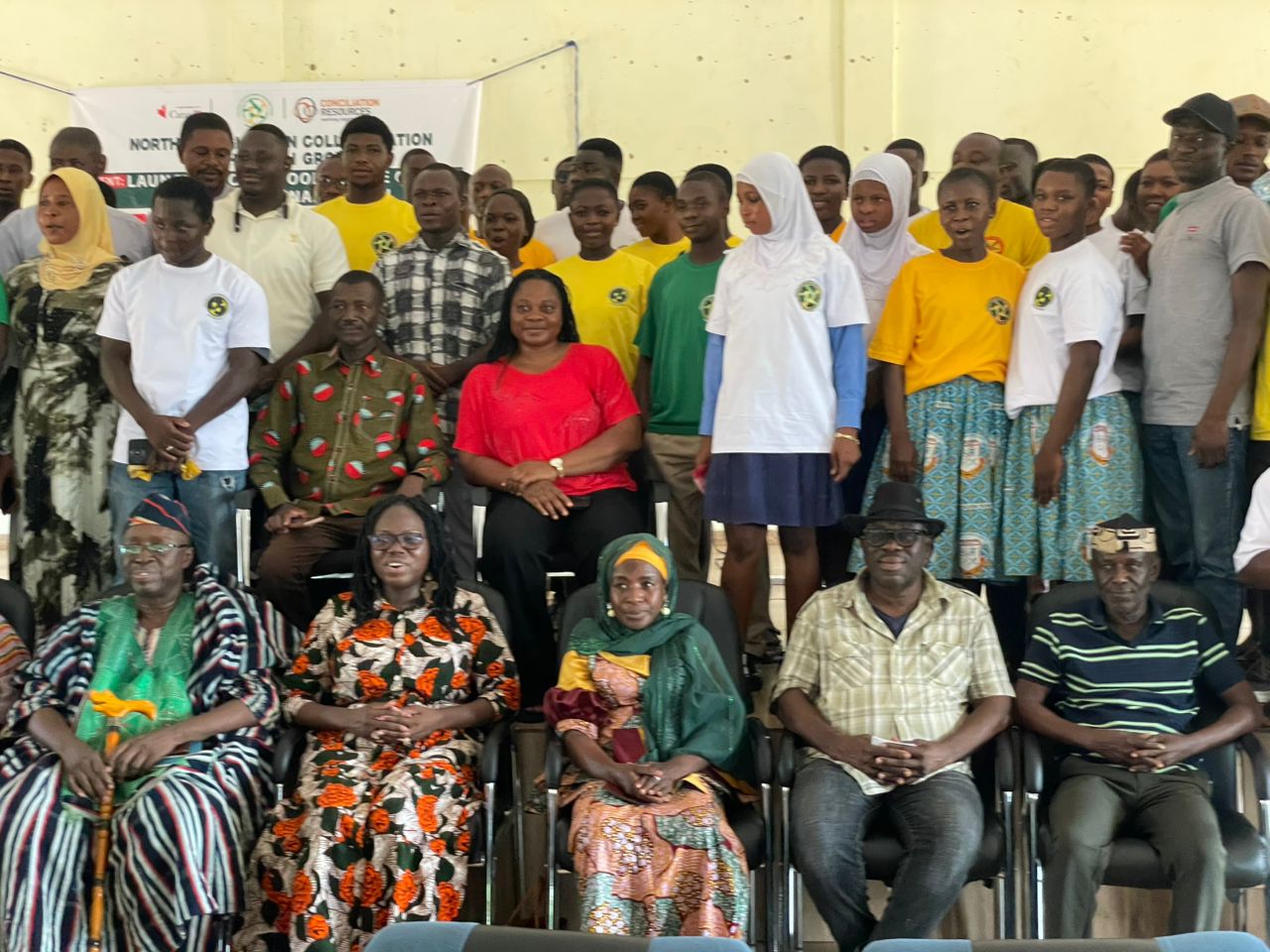

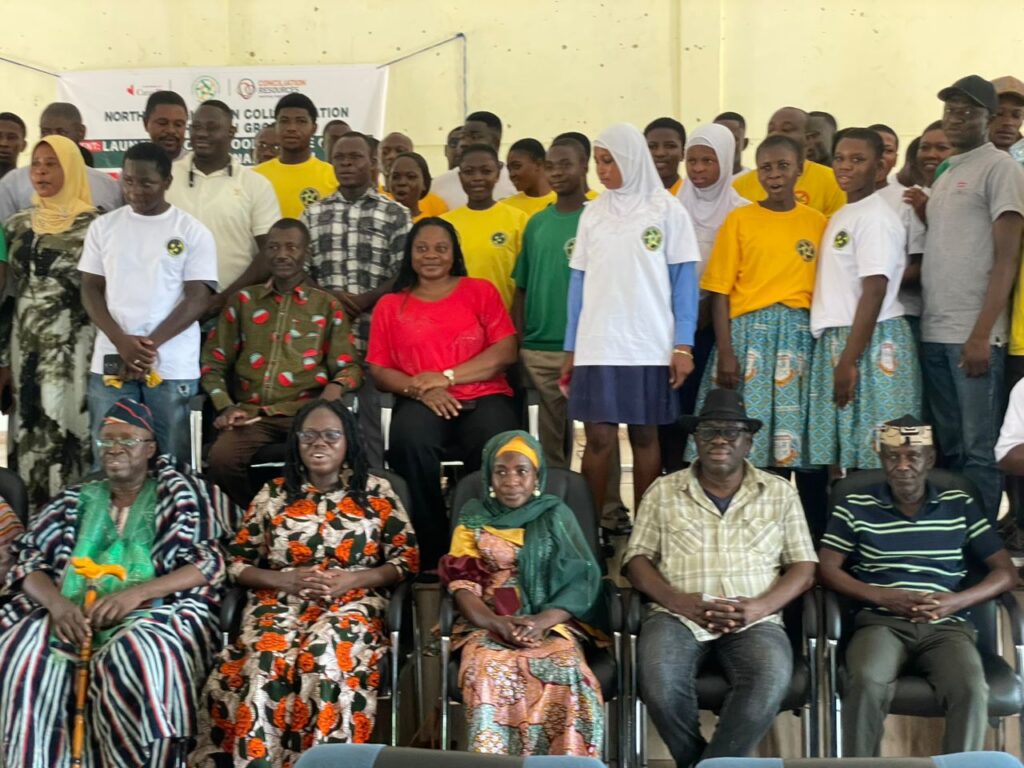
Damongo, May 16, 2026 – NORTHCODE Ghana, in collaboration with youth groups and development partners, has officially launched Schools’ Peace Clubs across the Savannah Region under the project titled “Leaders of Today Not Tomorrow.”
The initiative, launched at the Damongo Community Center, seeks to promote peacebuilding, tolerance, social cohesion, and responsible citizenship among young people in the region.
Speaking as the Special Guest of Honour, the Savannah Regional Director of Education, Mr. Bright A. Lawoe, described the establishment and sustainability of Peace Clubs in schools as one of the most effective ways to promote peaceful coexistence among young people across the Savannah Region.
He commended the leadership of NORTHCODE Ghana for what he described as a laudable initiative, noting that their commitment to promoting peace, tolerance, social cohesion, and youth empowerment is highly appreciated.
According to Mr. Lawoe, the initiative is both timely and necessary, especially at a period when society needs conscious efforts to nurture peace and responsible citizenship among the younger generation.
“Peace is the foundation upon which every meaningful development is built. Without peace, education suffers; without peace, communities cannot thrive; and without peace, national progress becomes difficult,” he stated.
He stressed that schools are not only centres for academic learning but also institutions for character formation and leadership development, adding that the Peace Clubs will help shape students into ambassadors of peace, unity, discipline, and tolerance.
Mr. Lawoe urged students participating in the clubs to uphold values such as respect for diversity, non-violent conflict resolution, dialogue and mutual understanding, leadership and teamwork, patriotism, and civic responsibility.
To ensure the sustainability of the clubs, he called for strong collaboration among stakeholders, including the Ghana Education Service (GES), school authorities, parents, traditional leaders, religious bodies, civil society organisations, and development partners.
He further proposed that every school should designate committed teachers as Peace Club patrons or coordinators to mentor students and guide club activities effectively.
Mr. Lawoe also recommended structured and engaging activities such as debates, peer mediation sessions, community outreach programmes, educational campaigns, quizzes, cultural events, and leadership training programmes to sustain students’ interest and participation.
Additionally, he emphasized the need for continuous capacity-building for both students and teacher coordinators in areas including peacebuilding, communication skills, emotional intelligence, and conflict management.
“Schools should integrate Peace Club activities into their co-curricular programmes so that the clubs become part of the school system rather than temporary projects,” he added.
Addressing the students directly, Mr. Lawoe encouraged them to wholeheartedly embrace the initiative and become champions of peace within their schools and communities.
Also speaking at the event, Ms. Nasatu Yakubu, Programs Director for Conciliation Resources, a United Kingdom-based peacebuilding organisation, explained that NORTHCODE Ghana is part of a larger consortium of partners implementing the peacebuilding project with funding support from Global Affairs Canada.
She said the project, dubbed “Leaders of Today And Not Tomorrow,” was motivated by the growing trend of young people across the Sahel being drawn into violent conflicts that continue to affect communities.
“We believe that when young people work for peace, they bring the best solutions for the current context and promote development in their communities,” she stated.
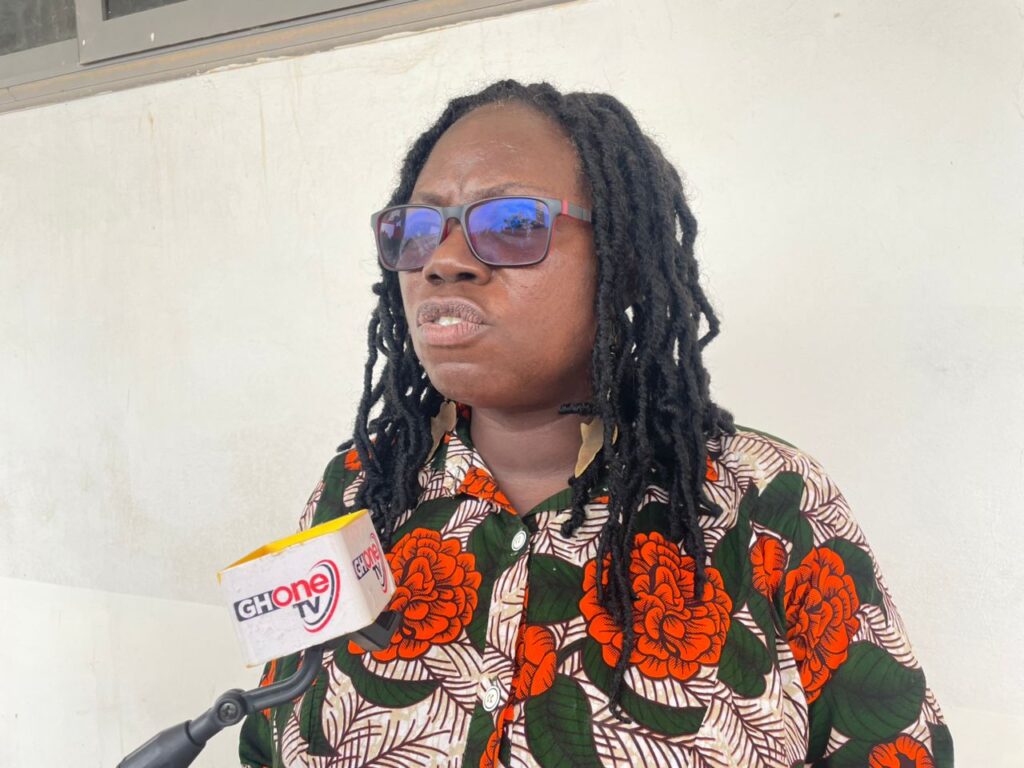
Ms. Yakubu noted that Peace Clubs remain one of the most effective means of ensuring sustainable peace in schools, communities, and across the Savannah Region.
She disclosed that the project also involves collaboration with partners across the border in Côte d’Ivoire to strengthen regional peacebuilding efforts.
According to her, plans are far advanced to deepen collaboration between students from Ghana and Ivory Coast through exchanges of ideas and experiences aimed at fostering unity and peaceful coexistence.
“Peace is only possible when you work with the people most affected by conflict,” she emphasized, adding that peace awareness among stakeholders remains crucial.
Ms. Yakubu commended the commitment shown by stakeholders, including schools, the Ghana Education Service, the Government of Ghana, parents, and youth groups toward the success of the project.
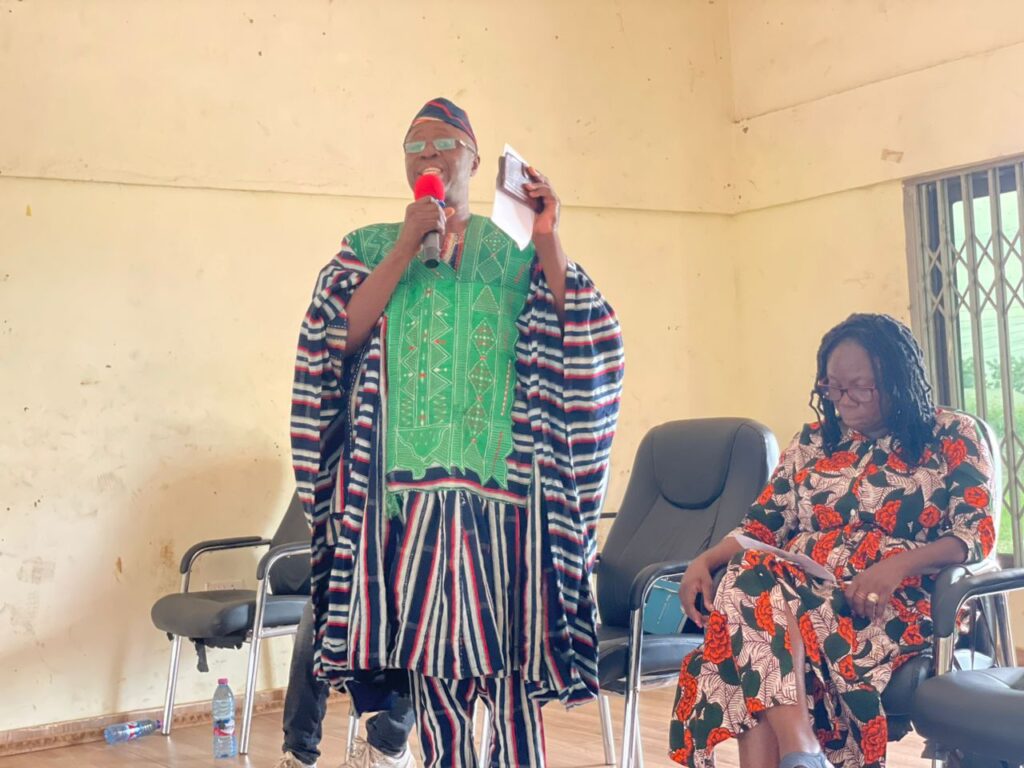
The program was chaired by chief Ahmed Abdallah Tolodompewura (Chief Monor]. He expressed gratitude to stakeholders for the support throughout the program and appealed to all to execute action plans for a successful peace building initiative.
Representatives of youth groups, Municipal and District Directors of Education, parents, and other stakeholders also delivered solidarity messages and pledged their support toward the successful implementation and sustainability of the Peace Clubs initiative.
By Abdulai Zulkaninu
0242381890