

World Vision Ghana has launched a bold new campaign dubbed “ENOUGH: Ending Child Hunger and Malnutrition”, with a passionate call on the government to expand the national school feeding programme to reach the country’s most vulnerable and deprived communities.

At the official launch held in Damongo, Mr. Rexford Bugre, Regional Operations Manager for World Vision Ghana in charge of the Northern sector, urged government institutions, district assemblies, and community leaders to prioritize child nutrition as a national emergency.
“It is our collective responsibility as adults, chiefs, community members, farmers, teachers and leaders to ensure that no child in Ghana goes to bed hungry,” Mr. Bugre stated. “In this day and age, it is unacceptable for a child to go to school on an empty stomach and return home to nothing.”
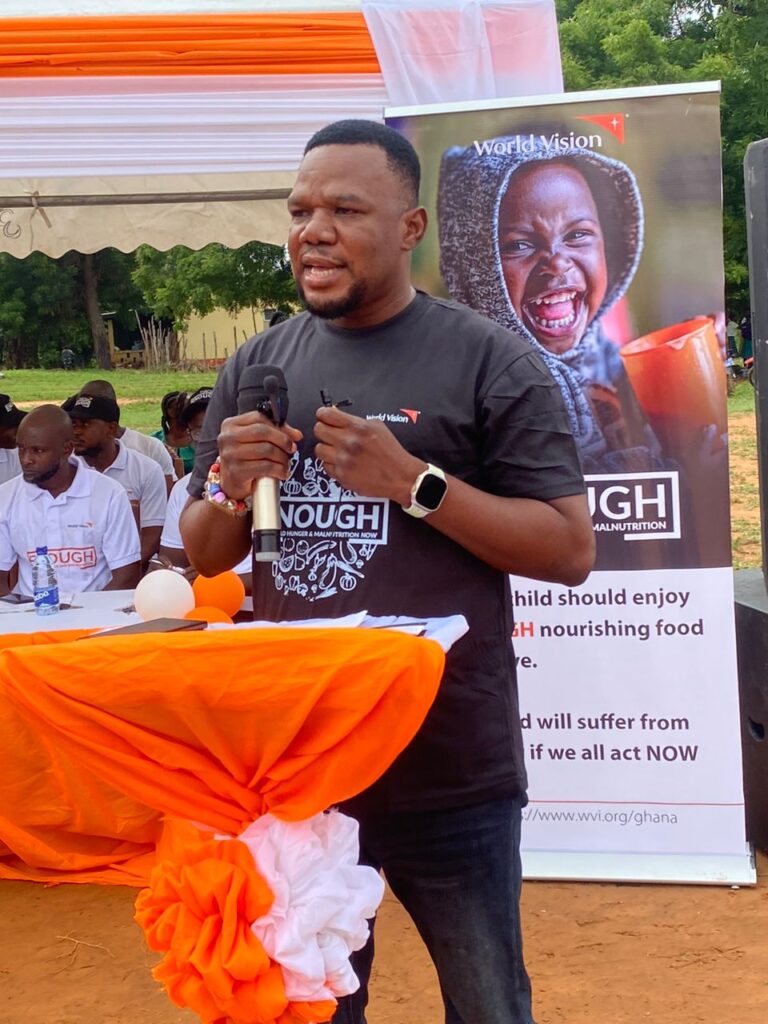
He emphasized that the ENOUGH Campaign, a global initiative by World Vision International, seeks to end child hunger and malnutrition in all forms. The campaign advocates for nutritious, balanced meals for children and calls on all stakeholders to treat this as a contract with the next generation, one that ensures every child in Ghana has access to nourishing food.
Mr. Bugre criticized outdated food taboos, such as the belief that children should not be given eggs, stating, “An egg cannot make a child a thief. Nutrition must be prioritized because children need proteins, vitamins, and iron-rich foods to grow and thrive.”
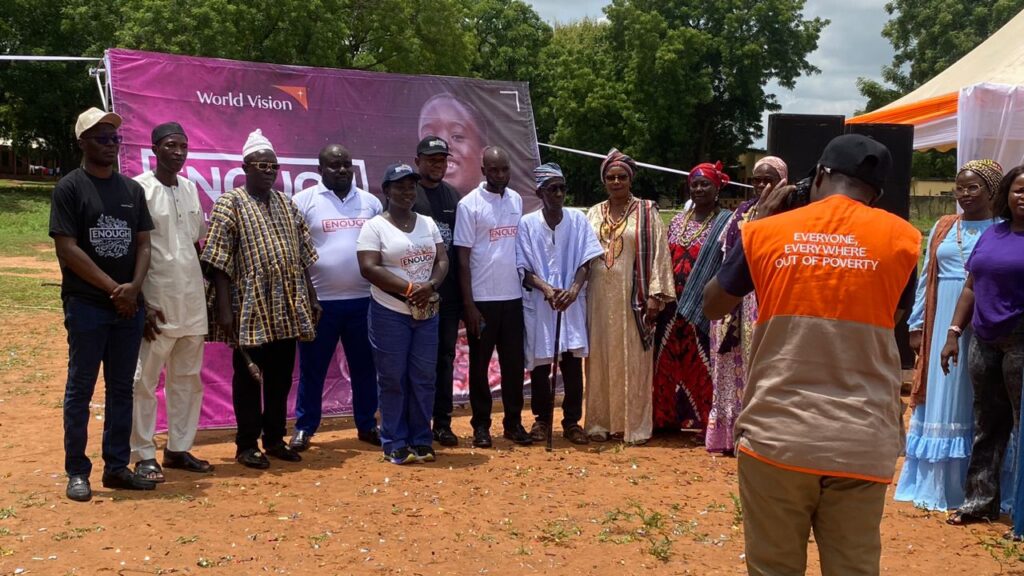
He further called for comprehensive food policies that go beyond carbohydrates and encourage the inclusion of protein, animal source foods, and vegetables, which are readily available in local communities.
On her part, Madam Barbara Asare, the Campaign Coordinator, reiterated that “enough is enough” when it comes to child hunger and malnutrition. She explained that the campaign targets three core areas:
1. Child Hunger – through collaboration with the Ministry of Agriculture to promote food security, proper food utilisation, and climate-smart agriculture.
2. Malnutrition – by partnering with health professionals to address issues like stunting, wasting, underweight and overweight children, and micronutrient deficiencies.
3. Environmental Health – by integrating clean water, sanitation, and hygiene into nutrition interventions.
“We cannot talk about nutrition without water and sanitation. If children eat but do not have clean water to drink or cook with, or if their environments are not hygienic, we are still putting their health at risk,” Madam Asare warned.
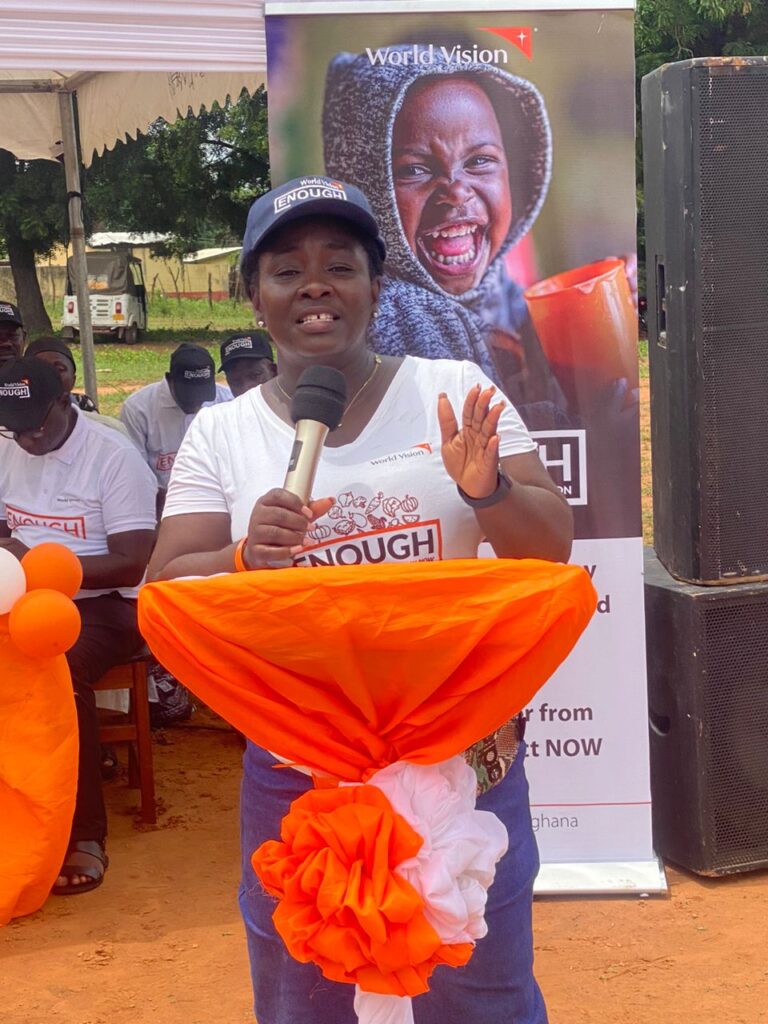
She also noted the pivotal role of school feeding in boosting school enrollment and performance, urging for increased investment and advocacy in the programme.
“Whenever school feeding is available, enrollment rises. When it is withdrawn, the numbers drop. A hungry child cannot learn,” she said.
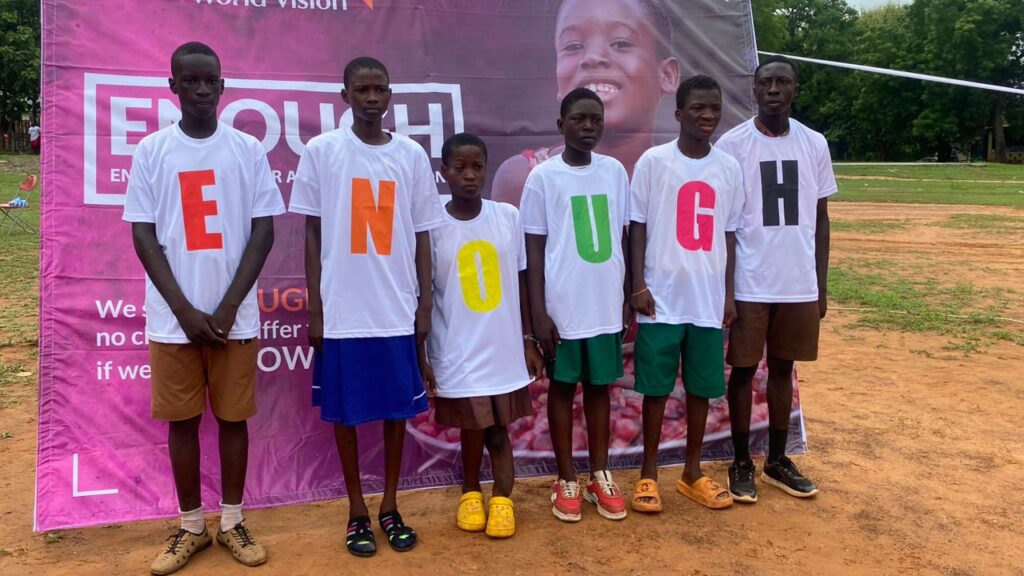
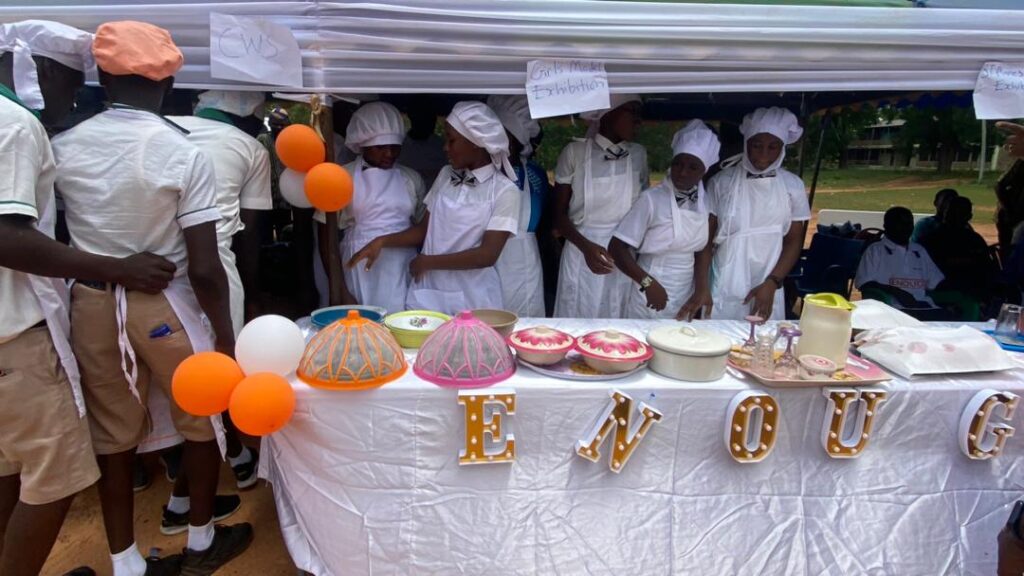
School children from St. Anne’s Block “B”, Kurabaso JHS “B” Cathedral JHS were engaged in a cooking competition with St. Anne’s Block B emerging as winners.
According to the Ghana Demographic and Health Survey (2022), malnutrition remains a pressing challenge in Ghana:
• 18% of children are stunted
• 6% are wasted
• 12% are underweight
• 2% of children under five are overweight
• 49% of children aged 6-59 months are anaemic
These statistics, Madam Asare stressed, are alarming and above World Health Organization thresholds, demanding urgent national response.
The ENOUGH Campaign is a three-year initiative (FY24–FY26) that aligns with Ghana’s developmental goals and complements existing World Vision programmes including:
• HEAL (Healthy Environment & Wellness)
• LIFE (Livelihood Enhancement & Family Empowerment)
• RISE (Reading Improvement & Skills Enhancement)
• CESP (Community Engagement and Sponsorship Programme)
It also intersects with World Vision’s work in Child Protection, Humanitarian Affairs, and Faith & Development.
As the campaign gains ground, World Vision is calling on all sectors including health, education, agriculture, and local authorities to join forces and ensure that no child is left behind in the fight against hunger and malnutrition.
“We must act now. We must act together. And we must ensure that every child in Ghana has enough—enough food, enough nutrition, enough care,” Mr. Bugre concluded.
Source: Padfm.com.gh/Kumatey Gorden/0243531604