
By Abdulai Zulkaninu, 23rd July, 2026
Ghana Water Limited (GWL) has held the Phase II institutional stakeholders’ engagement for the Damongo-Tamale Water Project in Damongo, calling on residents and key stakeholders to support the successful implementation of the project within the stipulated timeframe.
The engagement, held on Thursday, July 23, 2026, forms part of the project’s environmental and social safeguards aimed at ensuring broad public participation and understanding. Upon completion, the project is expected to provide potable water to more than 1.5 million people across the Northern and Savannah regions.
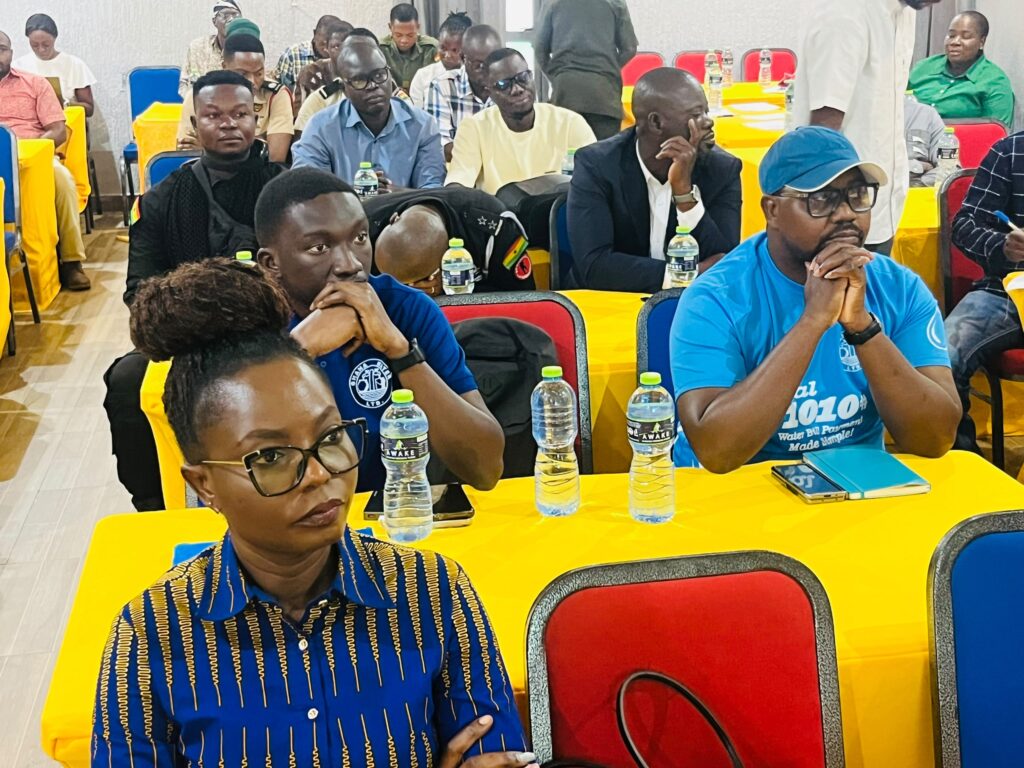
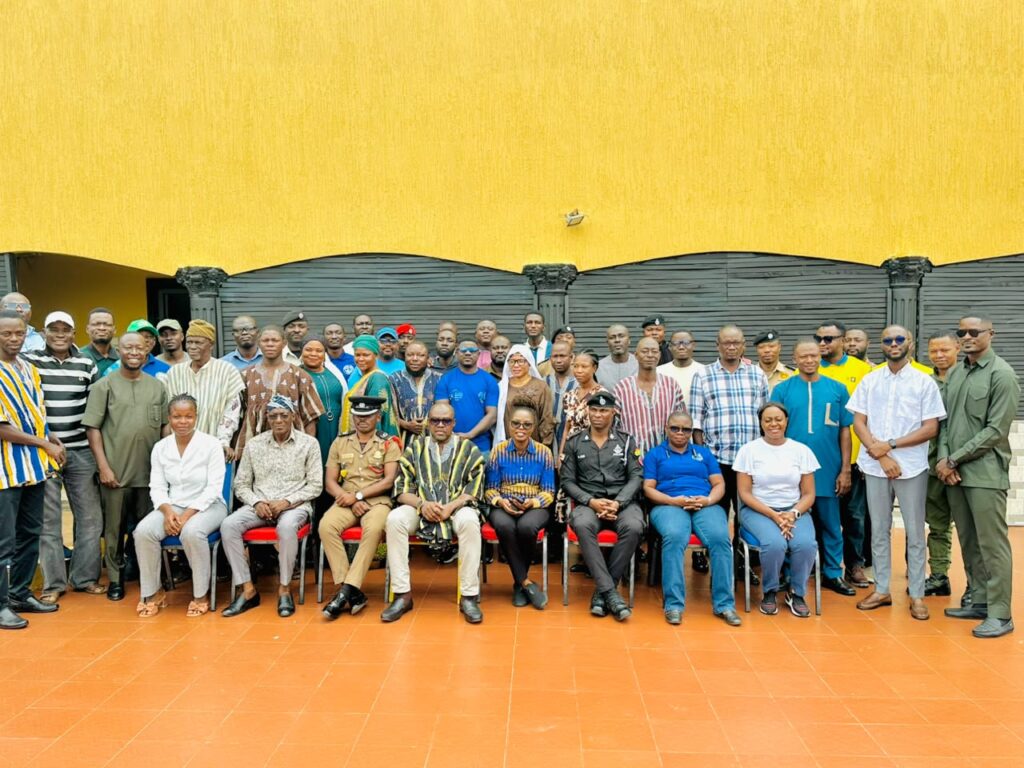
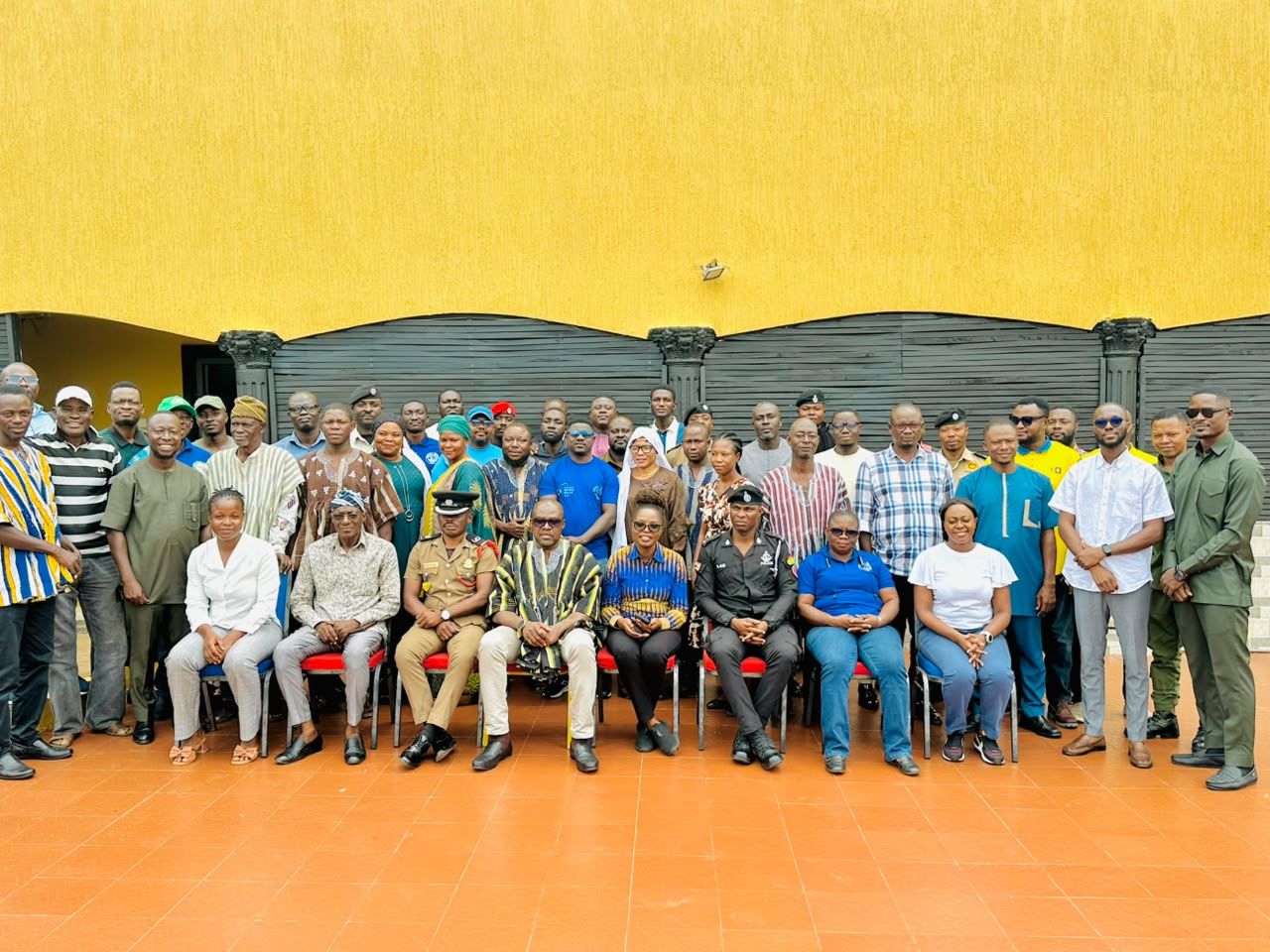
The stakeholder meeting brought together the Municipal Chief Executive (MCE) for the Hon. West Gonja Municipal Assembly, Mr. Yakubu Yussif Castro, representatives of state institutions, civil society organisations (CSOs), non-governmental organisations (NGOs), women’s groups, youth groups, religious bodies, and traditional authorities. The exercise sought to educate stakeholders on the project’s scope, implementation procedures, costs, benefits, and requirements while encouraging community ownership of the initiative.
Addressing participants, the Northern Regional Chief Manager of Ghana Water Limited, Mr. Rashid Braimah Soale, described the Damongo-Tamale Water Project as a transformative intervention rather than just another infrastructure project. He explained that the project would produce approximately 135 cubic metres, equivalent to about 30 million gallons of treated water daily, ensuring reliable water supply for communities along the project corridor to Damongo.
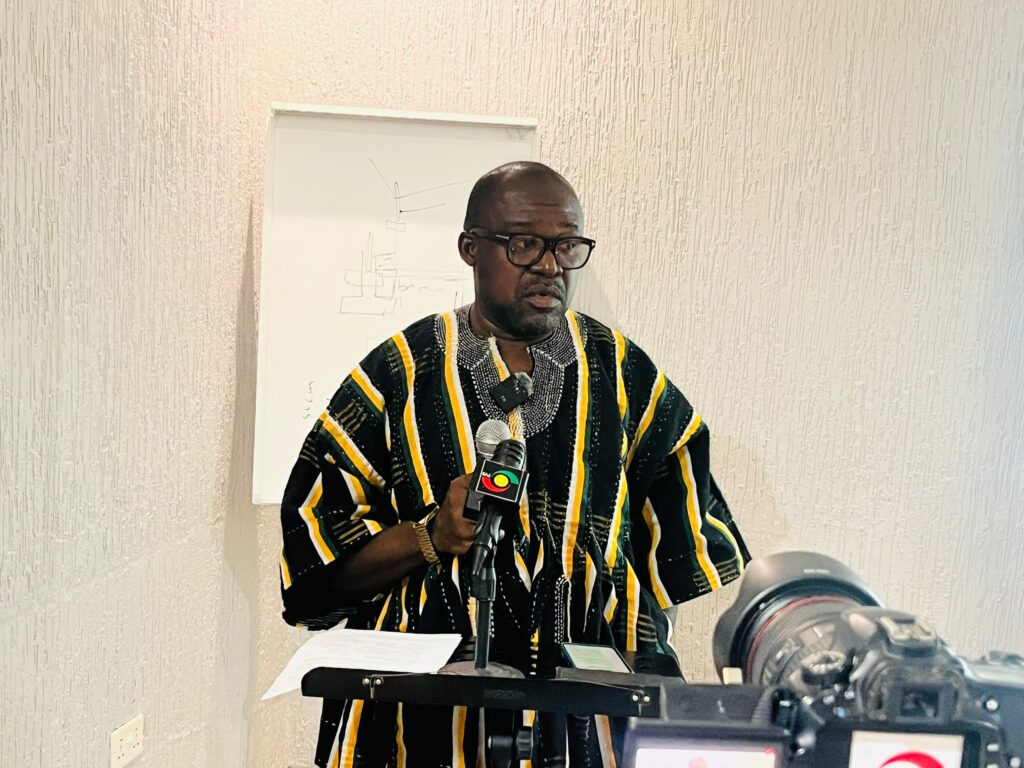
He, however, acknowledged that projects of such magnitude often face challenges, including compensation concerns, temporary disruptions, and heightened public expectations, and appealed to chiefs, assembly members, and community leaders to support Ghana Water Limited throughout the implementation process.
The Municipal Chief Executive for West Gonja, Mr. Yakubu Yussif Castro, described the project as a dream come true for the municipality, noting that Damongo has endured persistent water shortages for many years. He urged the project managers to expedite implementation while assuring Ghana Water Limited of the Assembly’s full support to ensure the smooth execution of the project.
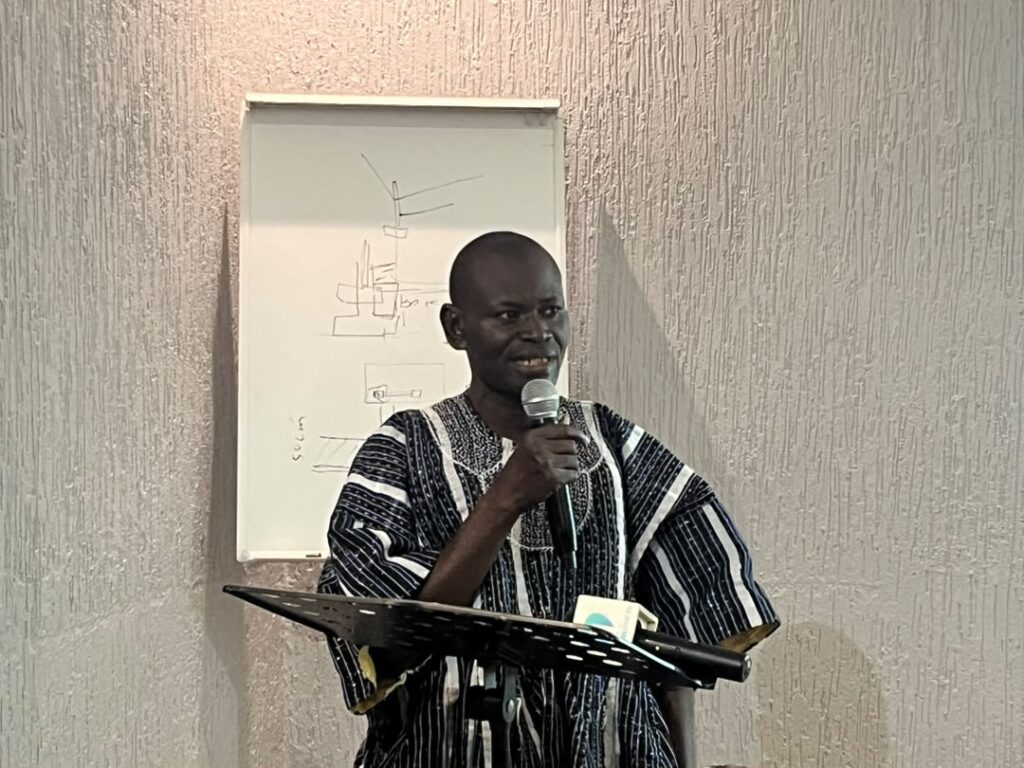
As part of the engagement, participants were taken through the project’s Resettlement Action Plan (RAP), with facilitators explaining land acquisition procedures, eligibility criteria, and compensation processes.
The meeting concluded with an interactive question-and-answer session, allowing stakeholders to seek clarification and make contributions toward the successful implementation of the Damongo-Tamale Water Project.