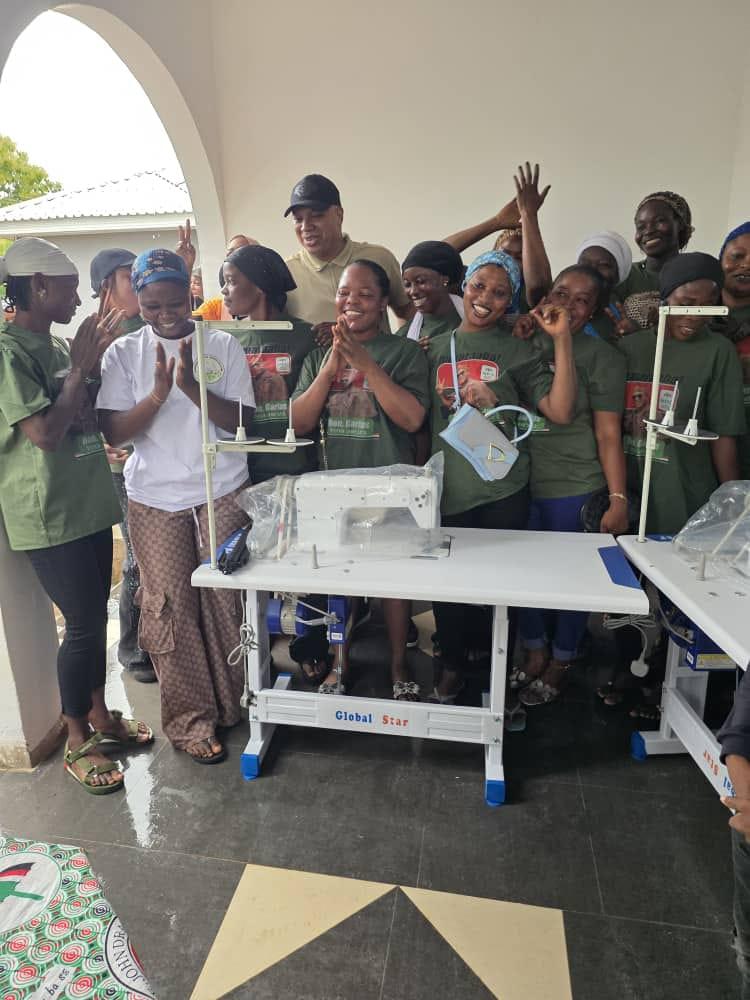

The Managing Director of Ghana Water Limited, Hon. Adam Mutawakilu, has donated 15 industrial sewing machines to members of the Lordina Ladies, a women’s group based in the Damongo Constituency of the Savannah Region.
Adam Mutawakilu said the donation aims at providing the women with the necessary equipment to translate their skills into economic opportunities and improve their livelihoods, and to also empower them with practical skills and resources to enable them to become self-reliant and establish sustainable sources of income.
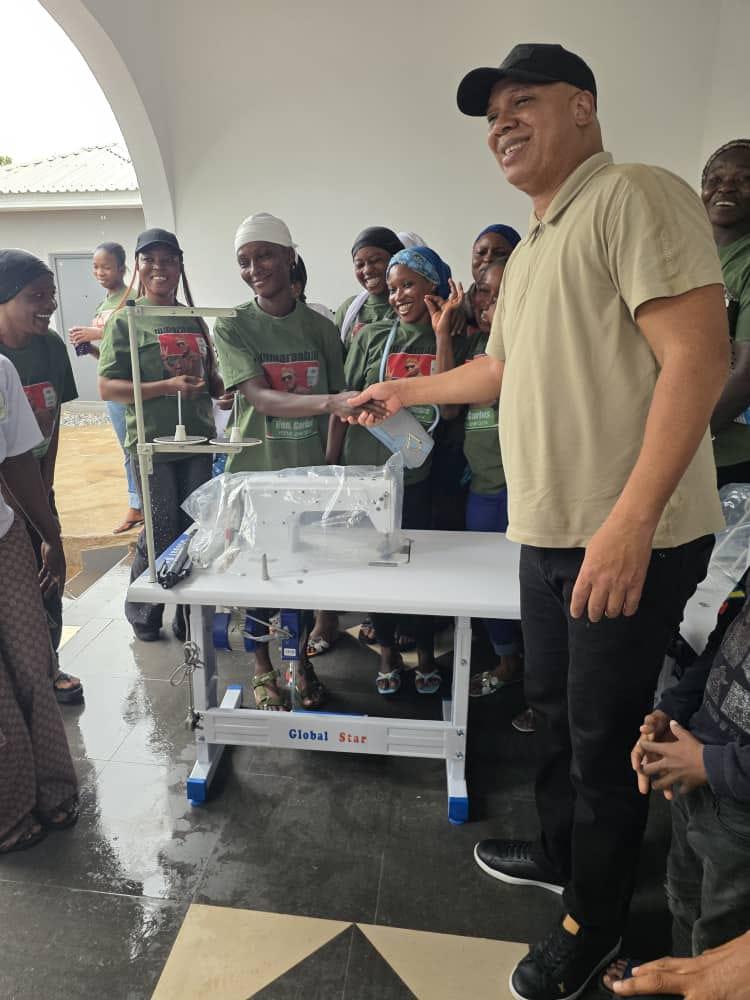
Adam Mutawakilu further disclosed that plans were underway to extend similar support to hairdressers and other artisans among the group, assuring them that the right equipment would be provided as soon as possible. He pledged continuous contribution to the development of the Damongo Constituency, describing the support as part of his appreciation for the loyalty and sacrifices of the women and other supporters over the years.
The donation was made on Saturday August 29, 2026, in Damongo.
The Lordina Ladies are known for their active participation in political and community activities within the Damongo Constituency over a decade.
Hon. Mutawakilu shared his longstanding relationship with the group, dating back to 2010, and expressed gratitude for their loyalty and support over the years. They have supported the course during hard times.
“Everyone knows how the Lordina Ladies and I started. It has been 16 years since 2010, and they have been there for the party, myself and His Excellency John Dramani Mahama.
There are times we enjoy together and there are times we suffer together, but they stood with me through challenges from opposing sides, though some changed their minds,” he added.
Some of the abeneficiaries thanked Adam Mutawakilu for the support, saying the machines would open doors of opportunities for skills development, income generation and improved livelihoods. These equipment would also help members expand their businesses, train others and contribute meaningfully to the economic development of their families and communities.
By Abdulai Zulkaninu