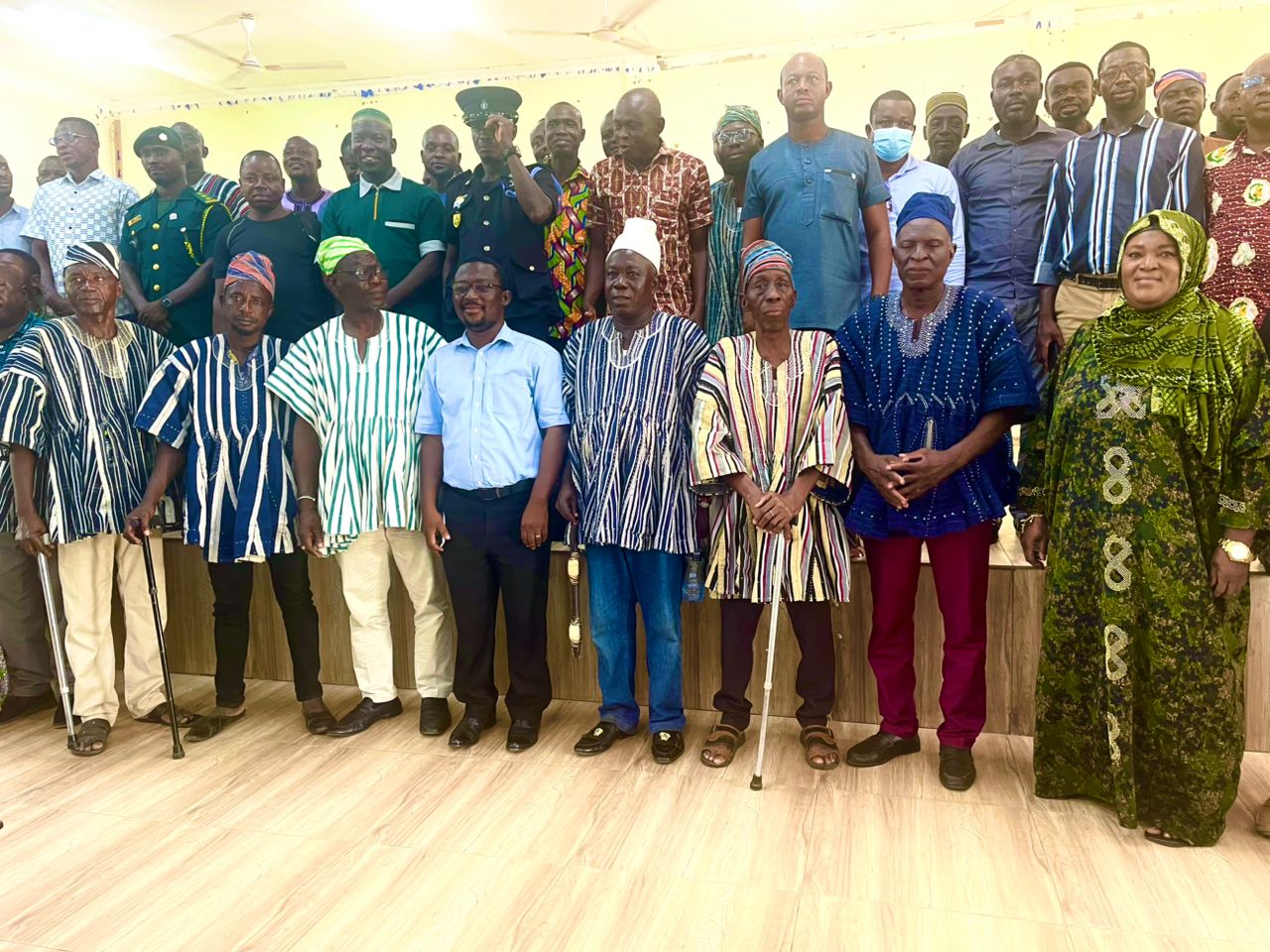

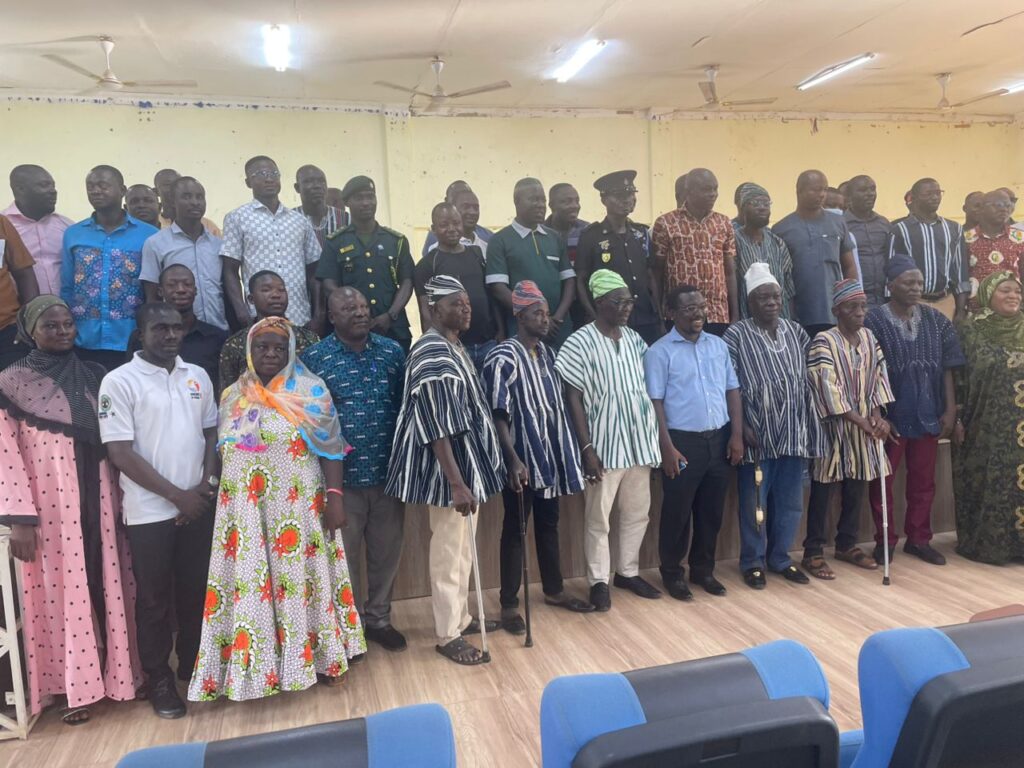
Damongo, Savannah Region – July 3, 2025 — The West Gonja Municipal Assembly, in collaboration with Expertise France under the Sustainable Cities Project – Phase 1, has successfully organized a two-day performance review workshop to assess the progress of its 2022–2025 Medium Term Development Plan (MTDP).
The workshop, held in Damongo, brought together a wide range of stakeholders including traditional leaders, heads of departments and institutions, and civil society organizations. The purpose was to evaluate the Assembly’s ongoing development agenda, identify key challenges, and realign strategies to guide the formulation of the 2026–2029 MTDP.
In his opening remarks, Mr. Mustapha B. Adam, the Municipal Coordinating Director, emphasized the importance of the exercise. He noted that reviewing the performance of the Assembly in terms of project implementation and service delivery is critical to improving the lives of residents in the municipality.
He called on all participants to contribute actively and meaningfully to shape a forward-looking and inclusive development plan for the next phase.
Delivering a presentation, Prof. Owusu Amponsah, a consultant with the Sustainable Cities Project, highlighted the transformative potential of effective development planning. He stressed that consistent implementation, continuous monitoring, and transparent evaluation are essential to building public trust, attracting investment, and improving urban life.
Prof. Amponsah also explained that the Secondary Cities Project—a component of the broader initiative—focuses on strengthening integrated urban planning, deepening inclusive governance, and enhancing service delivery, especially in critical sectors such as waste management, access to potable water, and recreational infrastructure.
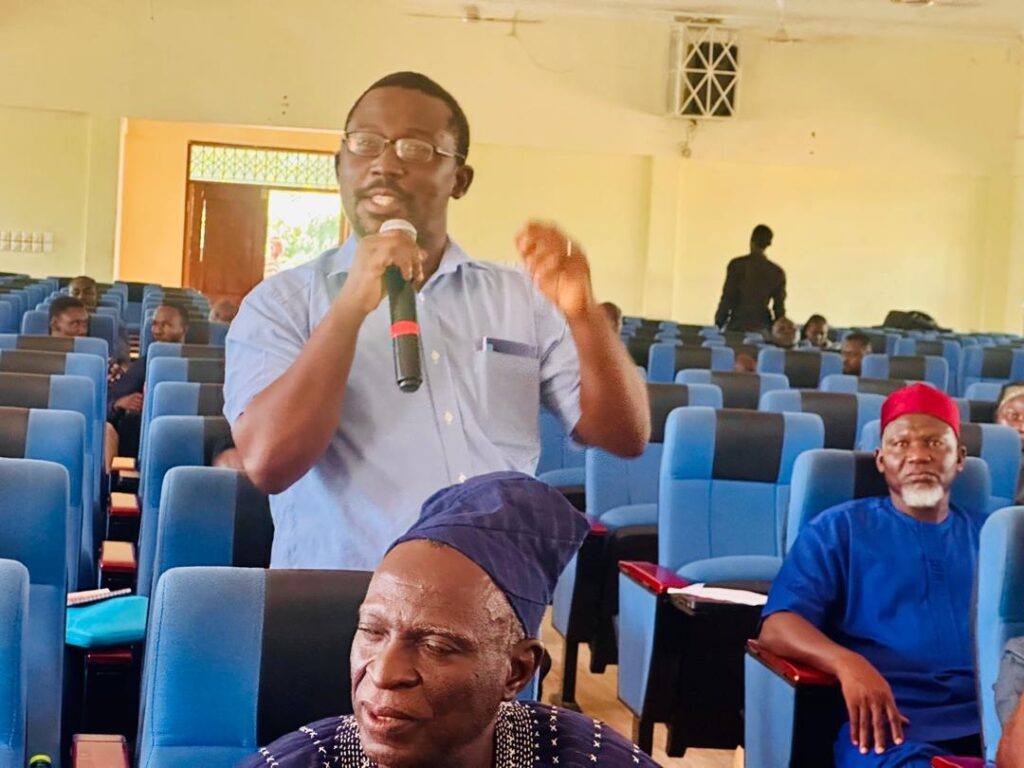
He expressed optimism that the inclusive approach adopted by the Assembly would generate sustained momentum and ensure that development outcomes are equitable and beneficial to all segments of society.
The Sustainable Cities Project – Phase 1 seeks to promote green economic growth, enhance urban resilience, ensure equitable access to basic services, and strengthen local governance across Ghana’s secondary cities.
The workshop concluded with group discussions and a shared commitment among stakeholders to build on the lessons learned and implement a comprehensive, people-centered 2026–2029 MTDP.
Source: Padfm.com.gh/Regina Atule/0244041099