
.

By Abdulai Zulkaninu
February 10, 2026.
In a country where leadership is struggling to create massive employment opportunities and increase income of citizens, the declaration of ‘Fugu Wearing on Wednesdays’ is a decision welcome by all.
The country took a significant step toward promoting her cultural heritage by declaring Wednesdays as “National Fugu Day”. The initiative encourages citizens to wear locally made smocks—commonly known as fugu—as a symbol of national pride, cultural identity, and economic empowerment.
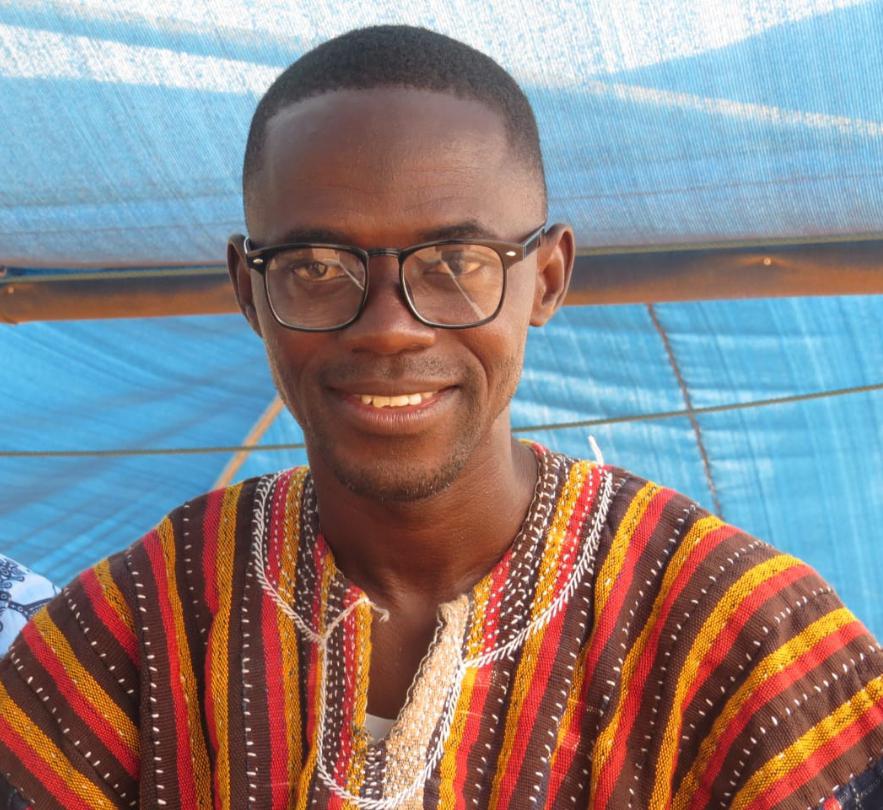
The fugu, worn by Dr. Kwame Nkrumah whilst declaring Ghana’s independence is one of country’s most recognizable traditional garments.
Crafted from hand-woven strips of thick cotton fabric, the smock is stitched into a distinctive, loose-fitting, poncho-style attire. It originates from northern Ghana and has historically been worn by chiefs, elders, and community leaders as a symbol of authority, wisdom, and cultural pride.
In recent times, the fugu has risen beyond ceremonial use. It is worn at national events, cultural festivals, political gatherings, and even in modern fashion spaces, blending tradition with contemporary style.
Tourism Minister Abla Dzifa Gomashie announced the declaration of Wednesdays as National Fugu Day as part of efforts to strengthen Ghana’s cultural identity and promote local industries.
The initiative reflects a growing national conversation about fashion, diplomacy, and the importance of showcasing Ghanaian heritage on the global stage.
The move gained renewed attention after President John Dramani Mahama wore a fugu during a three-day state visit to Zambia. While initial online reactions sparked debate, the narrative shifted when Zambian President Hakainde Hichilema publicly praised the outfit, expressing admiration for its design and interest in acquiring some himself.
This moment highlighted the diplomatic and cultural power of traditional attire.
Is it now clear that wearing Fugu on Wednesdays Is Important. It will Promote Cultural Identity since it serves as a reminder of Ghana’s rich cultural diversity. Wearing the smock encourages citizens—especially young people—to connect with their roots and appreciate traditional craftsmanship.
It also supports local artisans because the production of Fugu involves hand-weaving and tailoring, providing livelihoods for weavers and designers, particularly in northern Ghana.
Fugu wearing on Wednesdays will likely strengthen National Unity as it promotes national identity and a shared cultural experience across the country. It fosters a sense of unity, pride, and belonging among citizens from different regions and backgrounds.
It will further promote Ghana on the global stage especially, when leaders and citizens proudly wear the fugu, it attracts international interest in Ghanaian culture, tourism, and fashion.
It will as well enncourage the “Buy Ghana, Wear Ghana” agenda as it aligns with broader efforts to promote locally made products. Choosing Ghanaian-made smocks reduces dependence on imported clothing and strengthens the local textile industry.
Let’s commend authorities for this big initiative. The National Fugu Day is more than a fashion statement. It is a cultural movement that celebrates heritage, empowers artisans, and promotes Ghana’s identity at home and abroad. By wearing locally made smocks every Wednesday, Ghanaians can actively participate in preserving tradition while supporting economic growth.
As the initiative gains momentum, the fugu stands not just as a garment, but as a symbol of pride, unity, employment creation center, increased income, and the enduring richness of Ghanaian culture.