
Abdulai Zulkaninu –
Damongo – 18th March, 2026
Saturday, 14th March 2026, served as a grave warning to the chiefs and people of Damongo and its surrounding communities, as a heavy downpour accompanied by strong winds swept through the area for about an hour.
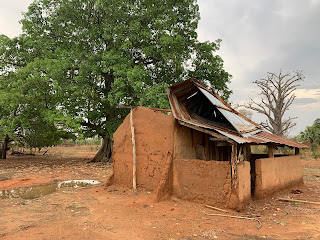
The storm caused significant damage in communities such as Damongo, Canteen, Sori No.1, and Kpiri, leaving many residents counting their losses.
Rainstorms have increasingly become a recurring disaster in many parts of the Savannah Region, particularly in Damongo, often resulting in some destruction of homes and the displacement of families.
Across the West Gonja Municipality, several communities have experienced storms that ripped off roofs, collapsed buildings, and rendered residents homeless in recent past years.
In some instances, dozens or even hundreds of homes have been destroyed in a single event.
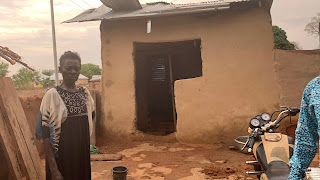
March 14, 2026 rainstorm is a timely reminder of the consequences of environmental neglect. Many residents lost their homes and properties, including damage to the Kpiri School, the old Kpiri CHPS compound, and sections of the road linking Kpiri to Damongo township. Parts of Damongo township were also affected, forcing residents to seek shelter with relatives or remain exposed to harsh weather conditions.
These recurring disasters highlight the urgent need for sustainable, long-term solutions to protect lives and livelihoods in the Savannah Region.
Human activities such as indiscriminate tree cutting, bush burning, uncontrolled grazing, and excessive charcoal production have significantly contributed to environmental degradation, increasing the vulnerability of communities to severe storms.
One key solution lies in community tree planting and the establishment of windbreaks. Trees act as natural barriers that reduce the speed and impact of strong winds, thereby protecting buildings. Promoting tree planting initiatives and preserving existing vegetation can go a long way in safeguarding communities.
Equally important is improved disaster preparedness. The National Disaster Management Organisation (NADMO), in collaboration with local assemblies, should strengthen early warning systems to alert communities of impending storms.
Public education on safety measures before, during, and after storms can help minimize casualties and property damage.
Additionally, well-structured emergency response plans must be put in place to provide temporary shelter and relief support for affected families.
There is also a critical need to improve infrastructure and drainage systems. Poor drainage often leads to flooding, which weakens building foundations and worsens storm damage.
Investing in proper drainage and improving road networks will not only reduce flooding but also ensure quick access for emergency services during disasters.
Furthermore, community-based support systems should be encouraged. Establishing communal emergency funds and volunteer groups can provide immediate assistance to victims while complementing government interventions.
In conclusion, the destruction caused by rainstorms in Damongo and the Savannah Region remains a serious threat to both lives and livelihoods.
However, with stronger building practices, enforcement of construction standards, environmental protection, improved disaster preparedness, and active community participation, the impact of these disasters can be significantly reduced.
Protecting communities from rainstorm destruction requires a collective effort from government agencies, local authorities, development partners, and residents. With the right strategies and commitment, the Savannah Region can build resilience and better safeguard its people against future weather-related disasters.