

Director of the Presidential Initiatives in Agriculture and Agribusiness (PIAA) at the Office of the President, Dr. Peter Boamah Otokunor, has warned that the circulation and sale of uncertified seeds pose a serious threat to Ghana’s food security ambitions.
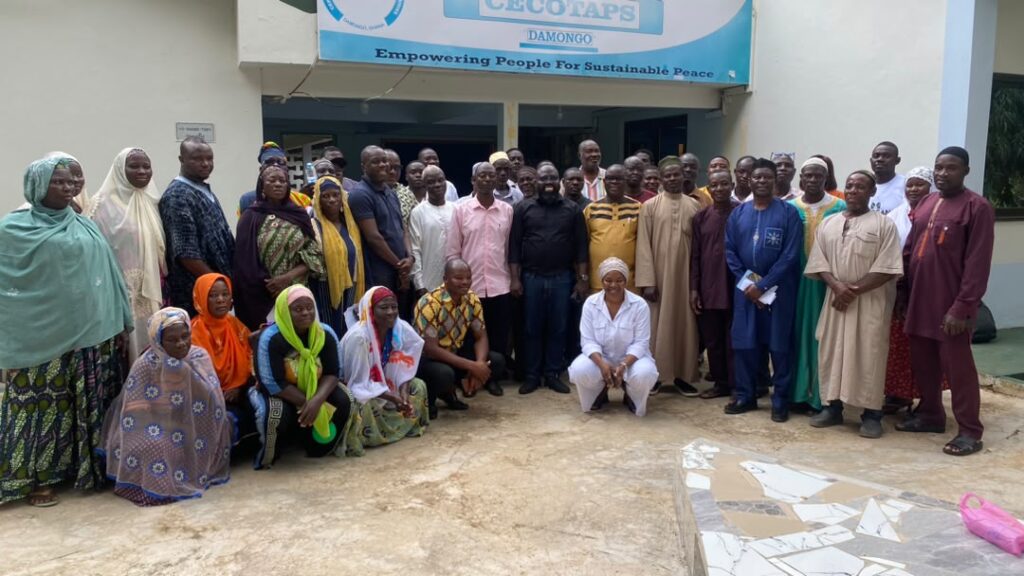
Speaking to the media after a stakeholder engagement organised by the National Seed Council on Monday, 17th August, 2026 at Damongo in the Savannah Region, Dr. Otokunor said the government was committed to strengthening the seed sector to ensure farmers had access to quality, affordable and viable seeds at the right time.

He explained that the National Seed Council, established to regulate Ghana’s seed industry, is responsible for registering seed producers and input dealers and certifying seeds intended for use by farmers.
According to him, however, some farmers continue to purchase uncertified seeds from dealers, a situation he said could undermine productivity and Ghana’s efforts to achieve food security.
“The seed sector is very significant in achieving food security,” Dr. Otokunor said, stressing the need for stronger regulation, monitoring and stakeholder collaboration.
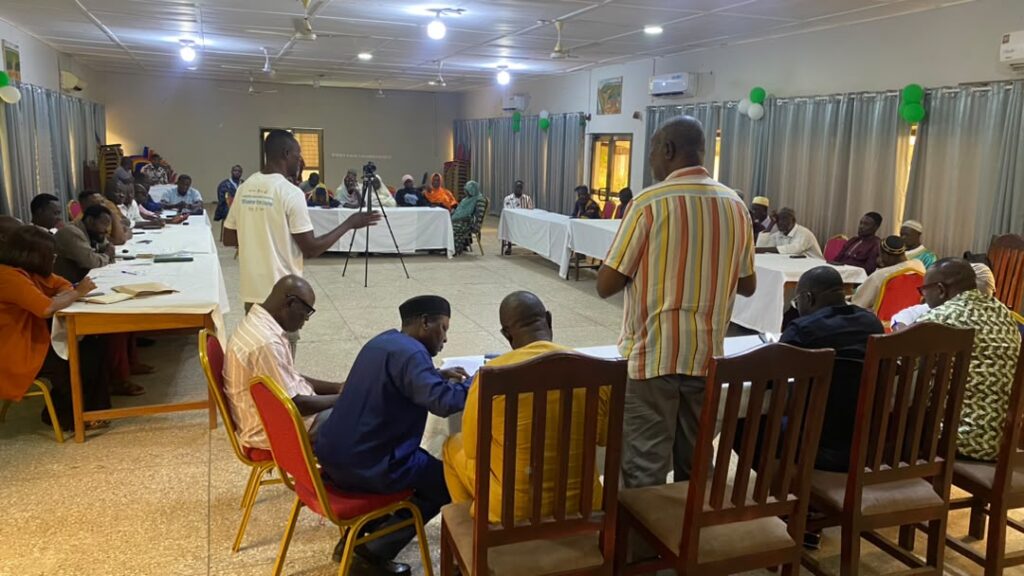
He disclosed that the ongoing nationwide sensitisation programme was aimed at engaging seed producers, breeders, input dealers and farmers to identify challenges confronting the sector and develop practical solutions.
Dr. Otokunor identified the smuggling of uncertified seeds into the country, the circulation of open-pollinated varieties (OPVs) with lower yield potential, and poor seed-handling practices as some of the major challenges facing the sector.
He said recent field engagements had revealed that some seeds on the market were inimical to the country’s food security objectives.
“We need to restructure and redesign our systems of tracing and tracking the seeds that are certified for farmers to use,” he said.
He noted that while the availability of seeds at the beginning of the farming season remained important, the quality of storage, transportation and handling was equally critical.
Dr. Otokunor explained that some hybrid seeds have expiration dates and can lose their viability when improperly stored or kept beyond their recommended period.
He cited an instance where a farmer complained about a certified seed failing to germinate, only for it to be discovered that the seed had expired.
He said the government and the National Seed Council were therefore working to improve systems for storing, transporting and distributing seeds to ensure that their viability was maintained until they reached farmers.
“Those are things that the government and the National Seed Council are looking at improving so that the seeds that get to the farmer are maintained in viability,” he said.

Dr. Otokunor also highlighted government interventions in the agricultural input sector, noting that farmers had received seeds and fertiliser free of charge in the past two years.
He acknowledged that government procurement processes had sometimes affected the timing of input distribution but said there had been significant improvements in the speed at which farmers received the inputs in 2025 and 2026.
He said the President’s vision was to improve the agricultural input sector and ensure that farmers received seeds capable of delivering higher germination rates and improved yields.
The PIAA Director further urged farmers to move away from the practice of recycling seeds, particularly where hybrid varieties are concerned.
He said repeatedly using seeds from previous harvests could result in declining viability and productivity, particularly when farmers rely on open-pollinated varieties.
He called for increased farmer education to help producers understand the importance of purchasing the appropriate certified seeds for each planting season.
Dr. Otokunor also raised concerns about the possibility of uncertified genetically modified seeds entering the Ghanaian market through porous borders.
He stated that GMOs are outlawed in Ghana, adding that stronger border controls, inspections and regular communication among stakeholders were necessary to prevent uncertified seeds from reaching farmers.
He said everyone involved in the seed value chain had a responsibility to act as a gatekeeper by identifying and reporting illegal or uncertified seeds.
Dr. Otokunor issued a strong warning to persons who sell uncertified seeds, stressing that doing so is a criminal offence under Ghanaian law.

He said individuals found selling seeds that have not been approved and certified could be arrested, prosecuted, jailed or fined under the applicable regulations.
“If you sell any uncertified seed that is not approved by law, that is not certified, you can be arrested, prosecuted, jailed, or even fined,” he warned.
He urged farmers, input dealers and other stakeholders to cooperate with the National Seed Council to ensure that only approved and certified seeds reach the market.
The nationwide engagement, he said, would help the authorities better understand challenges within the seed value chain and strengthen Ghana’s systems for ensuring that farmers have access to quality planting materials essential for improving agricultural productivity and food security.
Source: Padfm.com.gh/Kumatey Gorden/0243531604