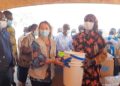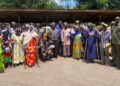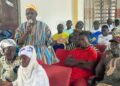
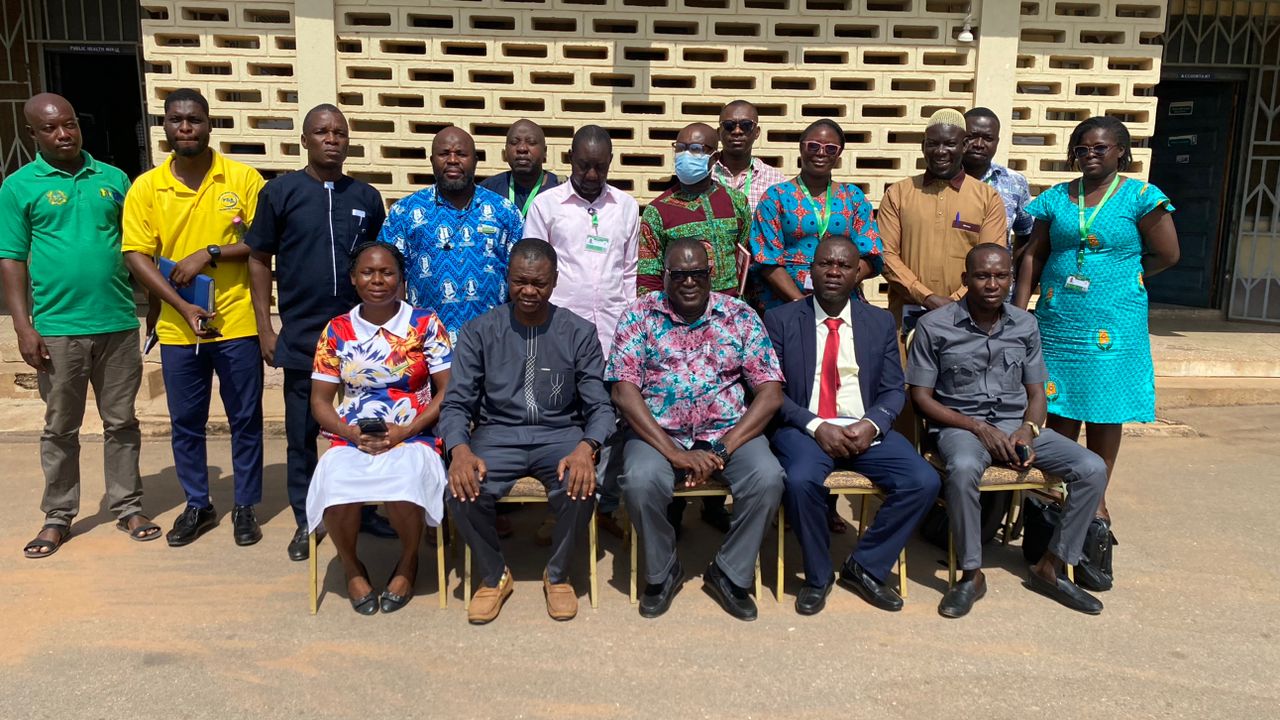

The Savannah Regional Directorate of the Ghana Health Service has convened a crucial stakeholder meeting in Damongo to strengthen efforts toward improving the Second Year of Life (2YL) vaccination programme, which targets children aged 12 to 24 months. The meeting, held on Wednesday, December 10, 2024, brought together key institutions and leaders to address persistent challenges in child immunization across the region.
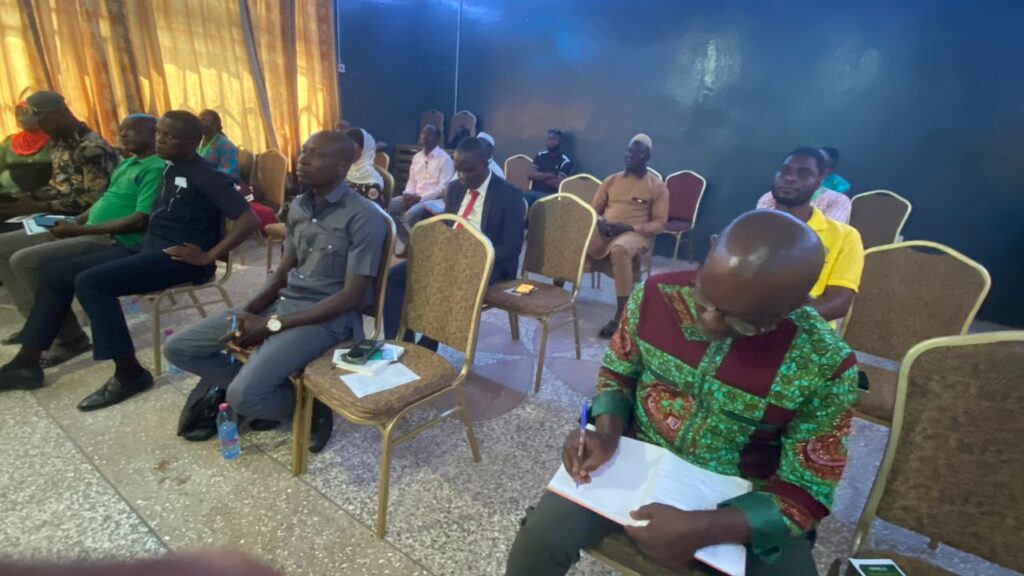
Themed “Promoting Second Year of Life (2YL) Interventions: The Role of Stakeholders,” the engagement sought to reinforce the importance of ensuring that children receive all recommended vaccines, missed first-year doses, and other essential health services necessary for survival and healthy growth.
Evidence from the regional health data shows significant drop-out rates for second-year vaccines in the Savannah Region, an issue the meeting aimed to confront through coordinated action.
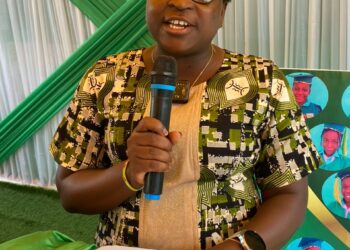
Representing the Regional Health Director, Mr. Abdul Razack Issahaku, Deputy Director of Finance, underscored the significance of the 2YL initiative.
“The Second Year of Life interventions are a set of critical services that provide additional protection after a child’s first year to promote healthy well-being,” he noted, urging participants to contribute practical ideas for advancing the programme.
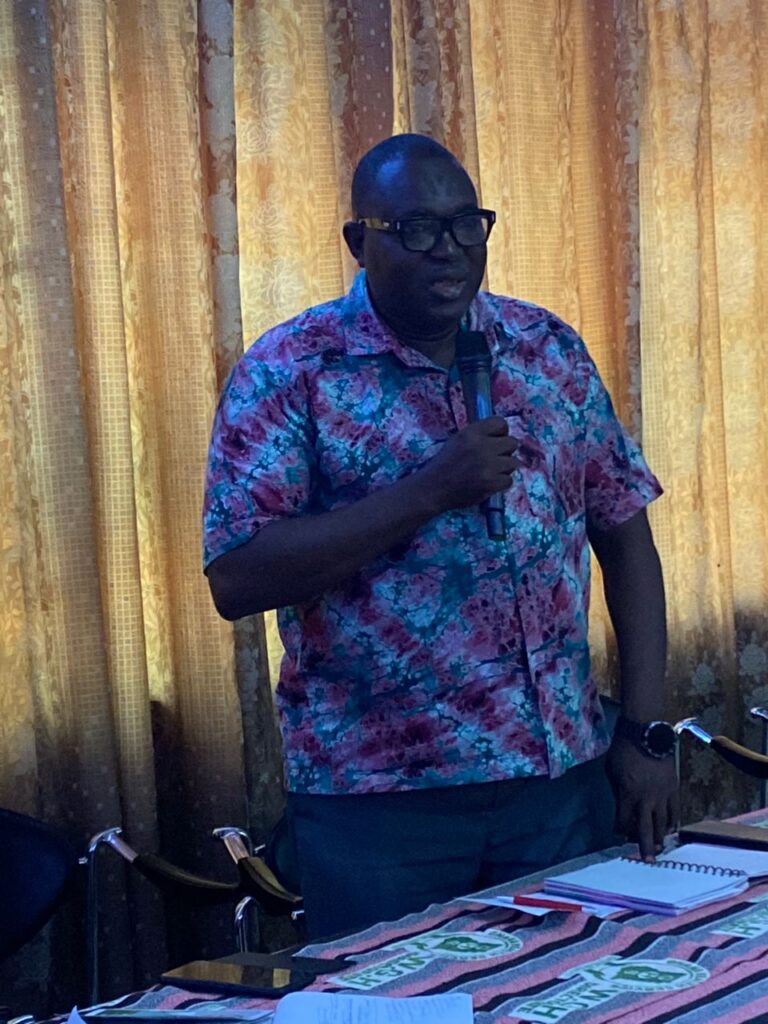
The Expanded Programme on Immunization (EPI) Coordinator, Mr. Anthony Kontoh, explained that 2YL interventions fill a major gap in Ghana’s immunization schedule. Historically, routine vaccines ended at nine months, leaving many children unprotected beyond their first year. Strengthening the second-year platform, he said, offers a vital opportunity to improve uptake of vaccines administered after one year and to reach children who missed doses earlier.
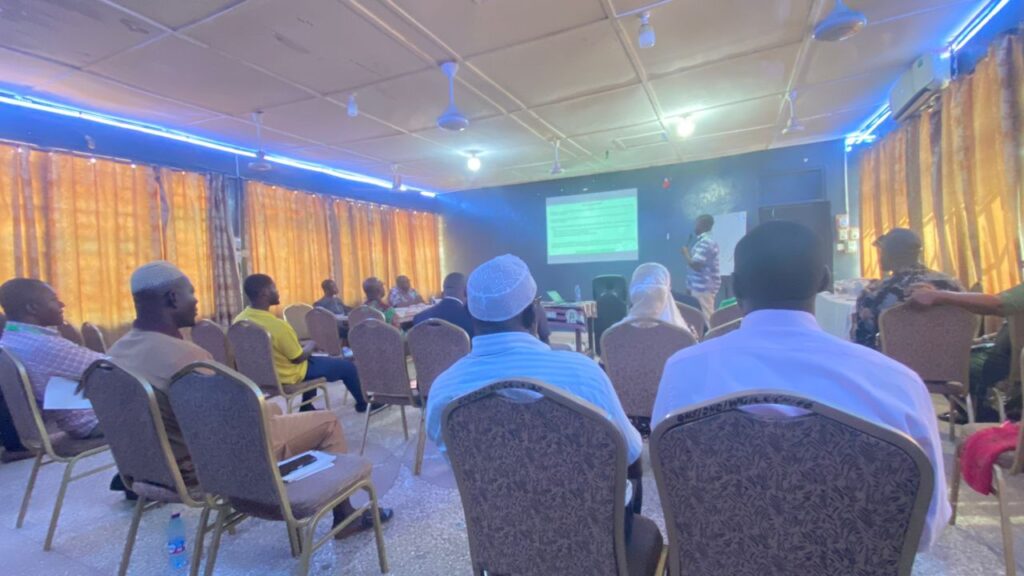
He emphasized that the initiative aligns with the World Health Organization’s Immunization Agenda 2030, which envisions universal and equitable access to vaccines for all ages.
Despite its importance, Mr. Kontoh identified key obstacles facing the programme, including low coverage, weak communication and social mobilization, limited local government support, and insufficient publicity. He appealed for stronger collaboration among all sectors to reverse these trends.
Offering stakeholder perspectives, Mr. Isshaka Zitor, Director of the National Commission for Civic Education (NCCE) in the Savannah Region, commended the initiative and highlighted the need for health workers to maintain regular communication with mothers on vaccination timelines. He also raised concerns about the increasing misuse of mosquito nets for crop protection at farms instead of their intended use for preventing malaria in homes.
In a noteworthy pledge of support, Alhaji Mohammed Zakiu Yakubu, Secretary to the Savannah Regional Chief Imam, promised free publicity for all 2YL-related announcements across mosques in Damongo. He clarified that no official complaints had reached the Chief Imam’s office regarding alleged payment demands by worship centers for health announcements.
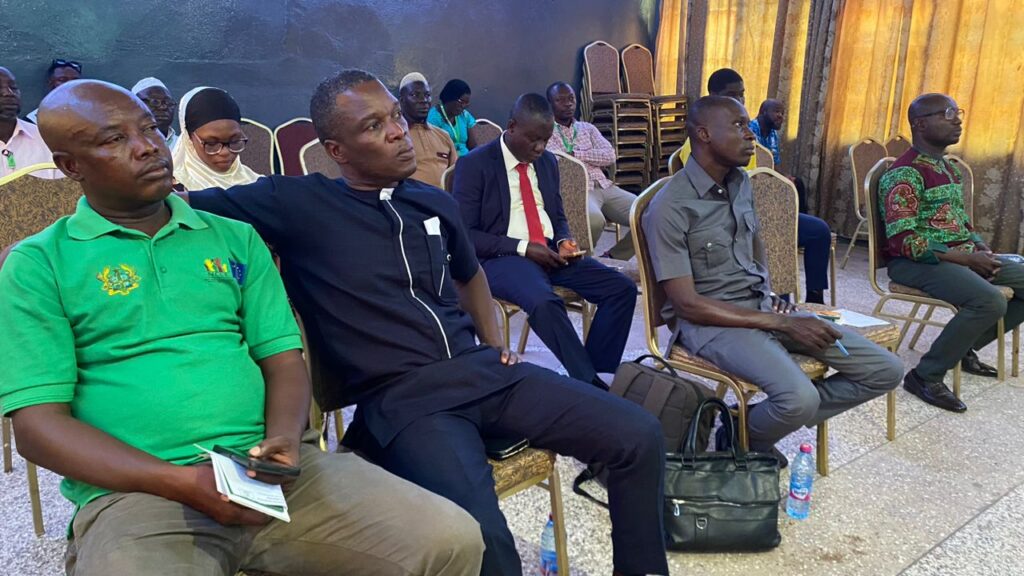
Stakeholders emphasized that boosting 2YL vaccination is a shared responsibility and with renewed collaboration, Savannah Region is poised to strengthen child health outcomes and move closer to achieving national and global immunization goals.
Source: Padfm.com.gh/Kumatey Gorden/0243531604