
GROW West Africa has launched a seven-month Agroecology and Organic Leadership Course to develop a new generation of advocates and practitioners capable of promoting sustainable food production and influencing Ghana’s agricultural policies.
The seven-month Agroecology and Organic Leadership Course seeks to strengthen advocacy, equip participants to work with farmers and promote a more sustainable food system.
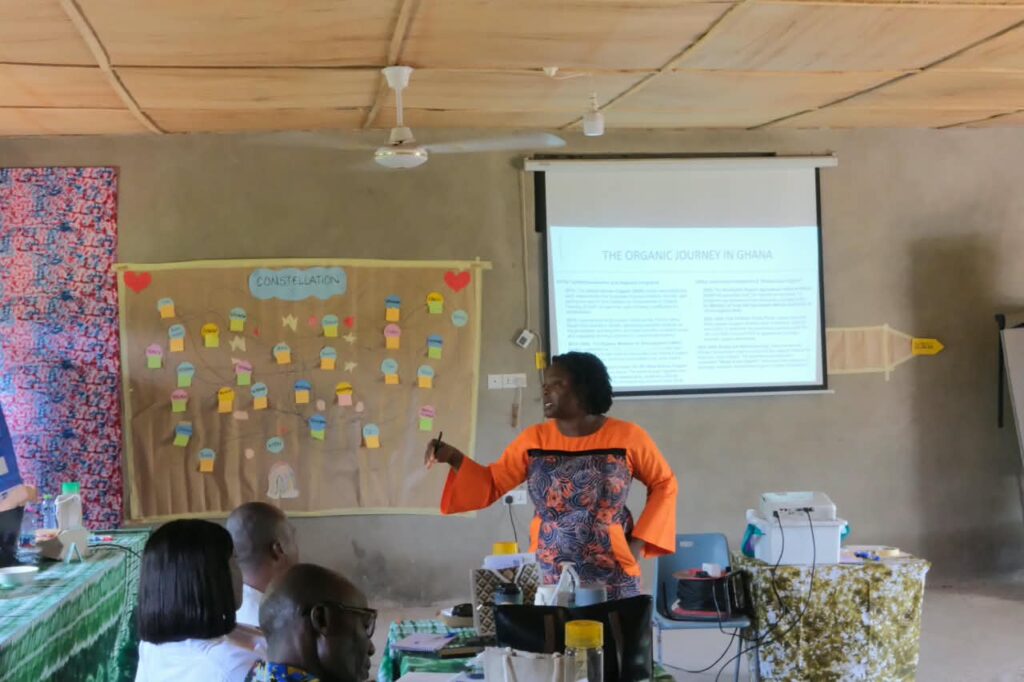
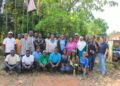
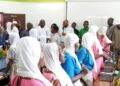
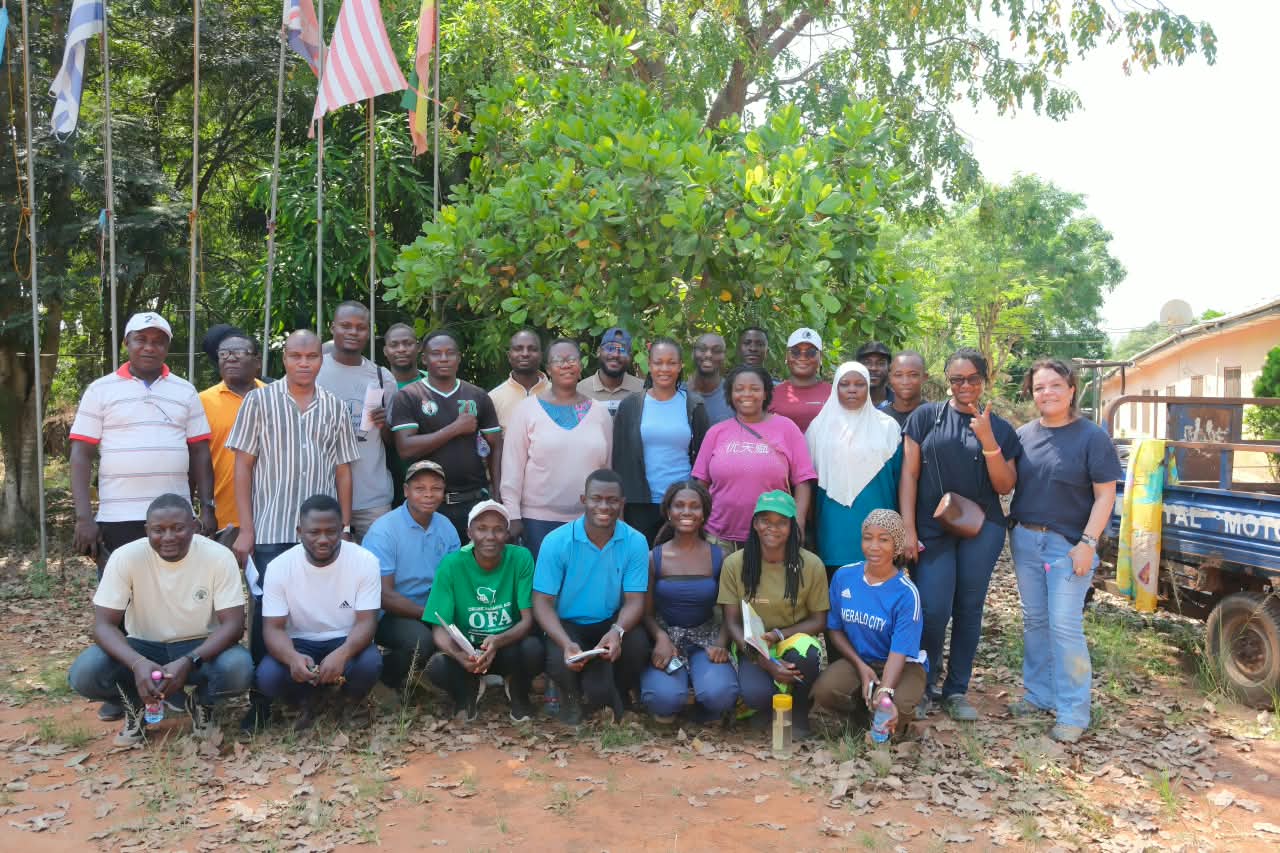
The program, being implemented in partnership with IFOAM Organics International, has brought together 26 participants from different parts of the country for training in agroecology and organic agriculture.
Speaking about the initiative, the Executive Director of GROW West Africa, Olawumi Benedict, said the course was designed to build the capacity of participants to understand agroecological and organic principles and communicate them effectively to farmers, policymakers and other stakeholders.
According to her, the ultimate objective is to help shape a sustainable food system that can meet Ghana’s food needs while protecting the environment.
“The aim of this program is to raise new leaders in agroecology and organic in Ghana, for them to be able to advocate, for them to be able to work with farmers, for them to be able to understand the agroecology and organic principles and be able to work with them in the diverse areas of stakeholders that they work with,” she said.
The program is funded jointly by the Swiss Development Corporation and the 11th Hour Project, with each partner contributing 50 per cent of the funding.
The course began with a five-day face-to-face workshop from 16th to 20th November, 2026, which will be followed by monthly online webinars over the next five months. Participants will reconvene for a final three-day face-to-face session in May to conclude the program.
The Executive Director explained that the leadership component was particularly important because agroecology and organic agriculture were often misunderstood or interpreted differently by various stakeholders.
She said building a network of informed advocates would help ensure that accurate information about the principles and practices of agroecology reaches more people and gradually influences Ghana’s agricultural system.
“People hear about agroecology and organic, they have different terms, different ways of interpreting what agroecology and organic means. So this workshop is to help people to understand what it means and how to communicate it, how to advocate for it correctly,” she stated.
The Executive Director of Grow West African called on the government to develop a dedicated national policy on agroecology and organic agriculture, arguing that the sector requires stronger institutional backing and investment to realise its potential.
She said while government support for conventional agriculture remained important, similar attention should be given to agroecological approaches, particularly because of their contribution to soil health, environmental protection and the production of healthy food.
“We believe that as much as the government is also funding conventional farming, we also want them to fund agroecology because all the things we need is in the country to progress in agroecology. We need healthy food,” she said.
She added that Ghana needed appropriate policies and funding to support farmers and other actors interested in transitioning towards more sustainable agricultural practices.
Making a case for agroecology, Madam Olawumi identified soil degradation as one of the reasons Ghana should give greater attention to the approach. she argued that organic materials play an important role in restoring degraded soils and should form part of the country’s efforts to improve agricultural productivity.
she also linked food production practices to public health, stressing that the quality of food consumed by the population should be given as much attention as the quantity produced.
Madam Olawumi, however, clarified that promoting agroecology did not mean immediately abandoning conventional agriculture. Rather, she advocated a gradual transition towards an agricultural system that combines sustainable practices with locally available resources.
She also challenged the perception that agroecology and organic agriculture were unsuitable for large-scale commercial farming, explaining that successful implementation depended on proper farm design and management.
“If I meet the president today, I will ask him to please fast-track a policy on agroecology and organic. And then because we have a policy, we can have a strategic plan, maybe 10 years, 20 years, on how to map ourselves to be able to become a country or a nation that produces agroecologically,” she said.
One of the participants, Elham from the Upper West Region, said the programme had strengthened her existing knowledge of agroecology and exposed her to practical approaches she had not previously considered.
She explained that although she already had some understanding of agroecology before joining the course, the sessions had helped her appreciate how different activities could be linked to the nine agroecological principles or drivers.
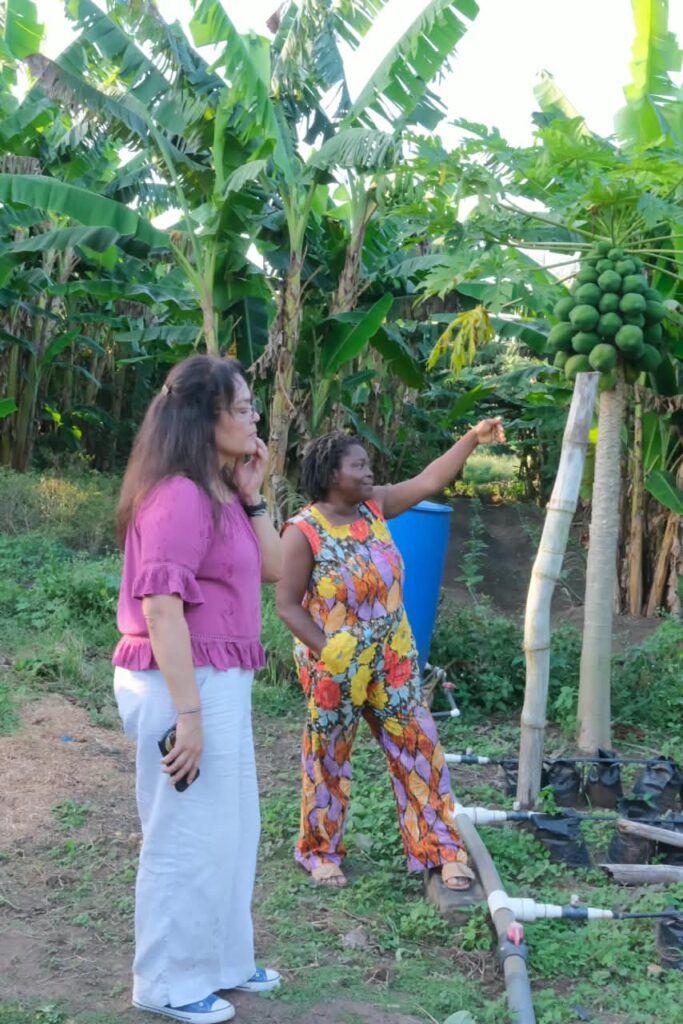
A practical learning visit to GROW West Africa and the Ghana Permaculture Institute also broadened her understanding of how locally available resources could be used to support sustainable farming.
Elham said she had previously assumed that poultry farmers needed commercially formulated feed, but the visit demonstrated that farmers could formulate their own feed using available materials.
“First, when they talk of poultry, I was thinking that you have to use the formulated one. I don’t know that you can formulate your own feed,” she said.
She added that the course should be encouraged in Ghanaian communities because many people remained unaware of the potential benefits of agroecological practices to human health and the environment.
“If a lot of people know about this agroecological course, I think it’s going to help us with our health issues,” she said.
The initiative forms part of efforts to strengthen agroecological leadership and advocacy in Ghana, with participants expected to use the knowledge gained to engage farmers, communities, policymakers and other stakeholders in advancing sustainable food production.