
Abdulai Zulkaninu
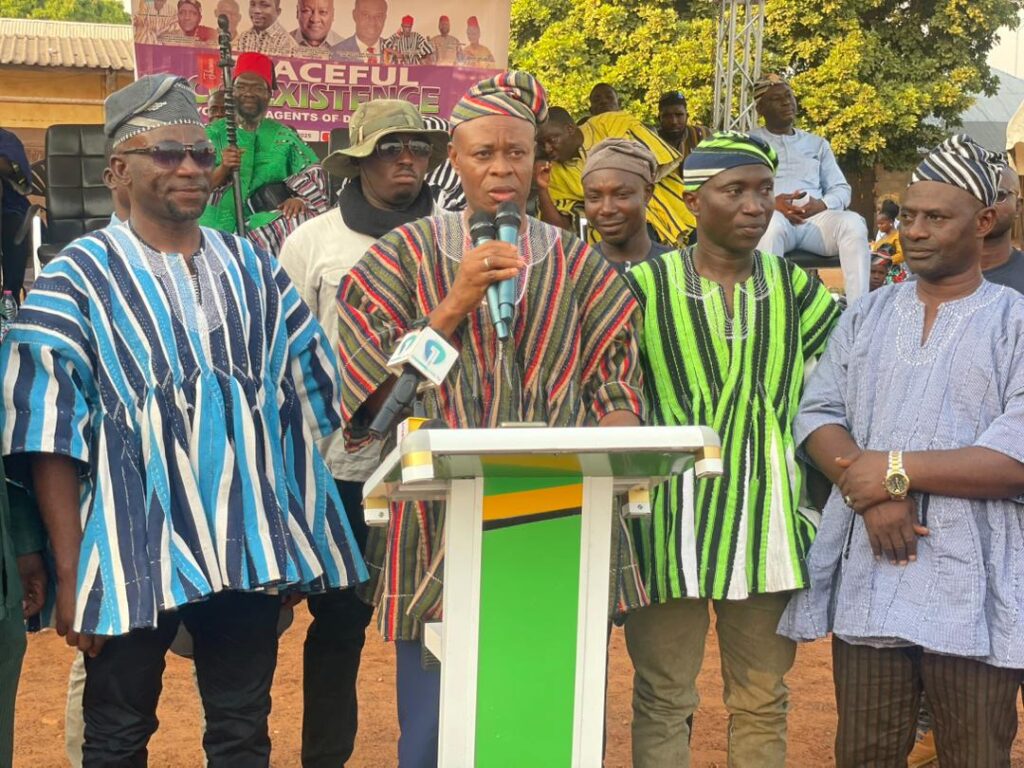
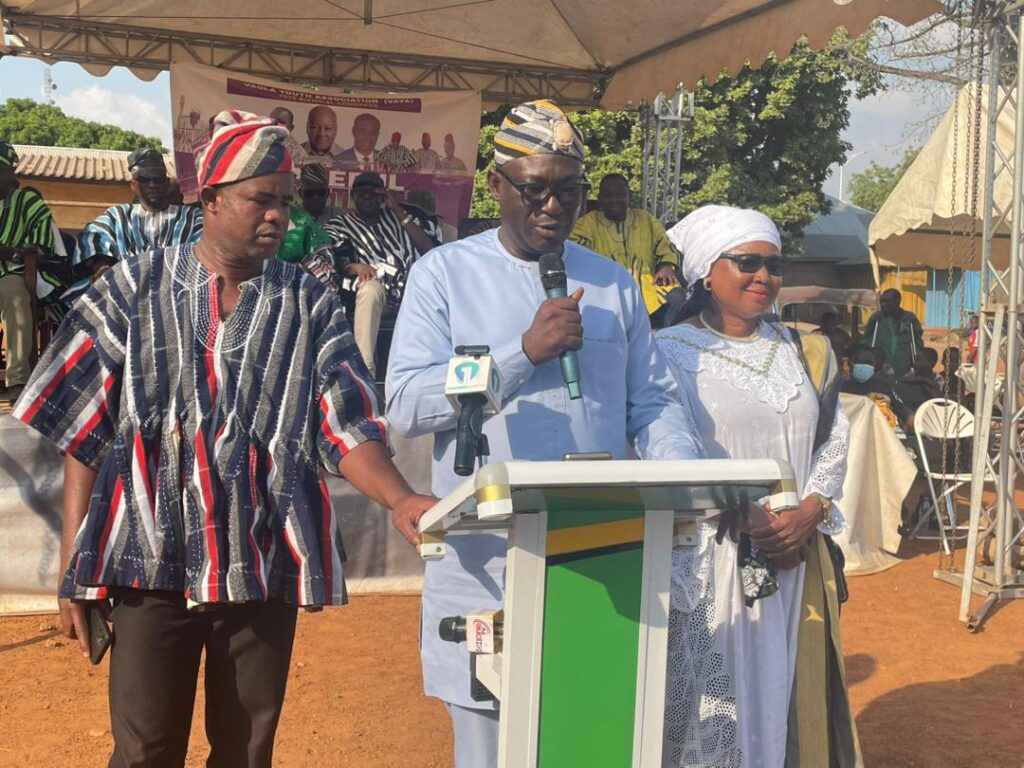
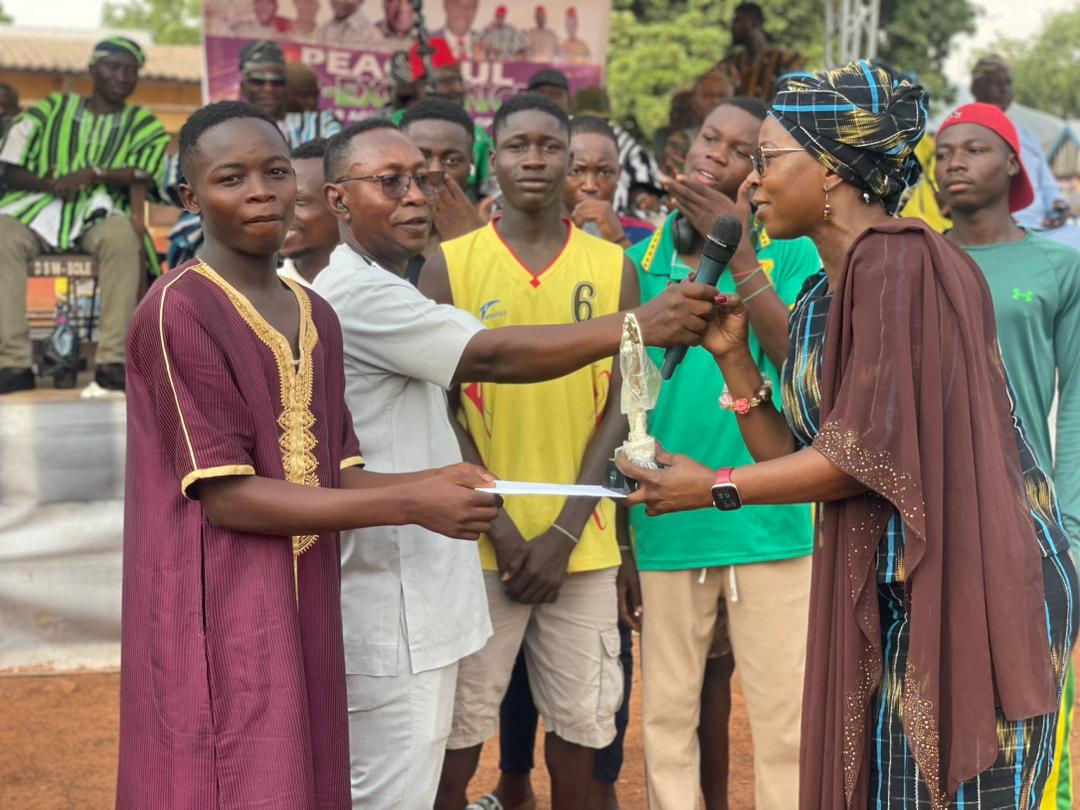
The Biennial Congress of the Vagla Youth Association (VAYA) was held in Bole from December 28 to 30, 2025, bringing together traditional and religious authorities, youth and women groups, political leaders, and representatives of state institutions to deliberate on peace and development in the Savannah Region.
Held under the theme “Peaceful Co-existence: Youth Agents of Development,” the congress underscored the central role of peace as the foundation for sustainable development.

Participants were urged to reject violence and embrace dialogue, noting that development cannot thrive in an atmosphere of conflict.
President John Dramani Mahama was represented at the event by the Member of Parliament for the Bole-Bamboi Constituency, Alhaji Yussif Sulemana, who reaffirmed government’s commitment to peacebuilding and youth empowerment.
In his keynote address, the National President of VAYA, Jacob Kuubu Ahiah, described the congress as a historic milestone for the Vagla, Safalba, Choruba, and Nomee/Batigee people, particularly within the Bole and Sawla-Tuna-Kalba districts. He highlighted the congress as a symbol of “unity in diversity,” bringing together ethnic groups with shared ancestral roots, including the Sissalas, Mos (North and South), Kasenas, Tampulmas, Chakalas, and the Ngbanya.
Mr. Ahiah noted that the timing of the congress was significant, coming in the aftermath of the August 2025 Gbinyiri conflict. He called on the youth to seize the current period of calm to consolidate peace and strengthen inter-ethnic coexistence across the region. He stressed that young people must not be passive observers but active promoters of peace and agents of development, adding that poverty reduction and progress are only achievable in a peaceful environment.

He further encouraged the youth to be politically active, informed, and responsible while upholding national unity.
Speaking on behalf of the Vagla Safalba Choruba and Nomee Council (VASCAN), its Chairman, Jarah Vaglikoori Bawi-Ela Baglizum, warned that conflicts destroy social cohesion, erode trust, and expose children to hatred rather than hope.
He urged the youth to reject manipulation, ethnic stereotyping, and misinformation, especially on social media, noting that young people are both the greatest victims and key actors in violent conflicts.
The congress proposed practical initiatives such as the formation of youth peace clubs, joint sporting activities, cultural exchanges, and community clean-up exercises to strengthen unity in the Bole and Sawla-Tuna-Kalba districts. Traditional institutions were also commended for their long-standing role in dispute resolution, land cleansing, and pacification rites.
A message from the Bole Traditional Council, delivered by Abdulai Haruna Obey on behalf of Bolewura Sarfo Kutuge Feso (I), emphasized that violence has never yielded development. The Paramount Chief called for investment in youth education, employment, and inclusion in governance as sustainable pathways to peace, and appealed to government to prioritise youth employment to curb conflict.
In a solidarity message from the North Mo Traditional Council, read by Nnaa Agbaah Jaaga III Bampewakoora, Acting President of North Mo Council, said the youth must embrace education and avoid drug abuse and hooliganism, respect elders, and prepare themselves for leadership.
The council also cautioned against irresponsible mining and called on the youth to protect water bodies and pursue environmentally sustainable livelihoods.
The congress climaxed with rich cultural performances, including Dugu, Zingor, and Sator dances, reflecting the shared heritage and unity of the participating communities.