
The Savannah Regional Health Directorate has intensified efforts to improve Human Papillomavirus (HPV) vaccination coverage in the region, urging parents and guardians to ensure that all eligible girls aged 9 to 14 years receive the vaccine to protect them against cervical cancer.
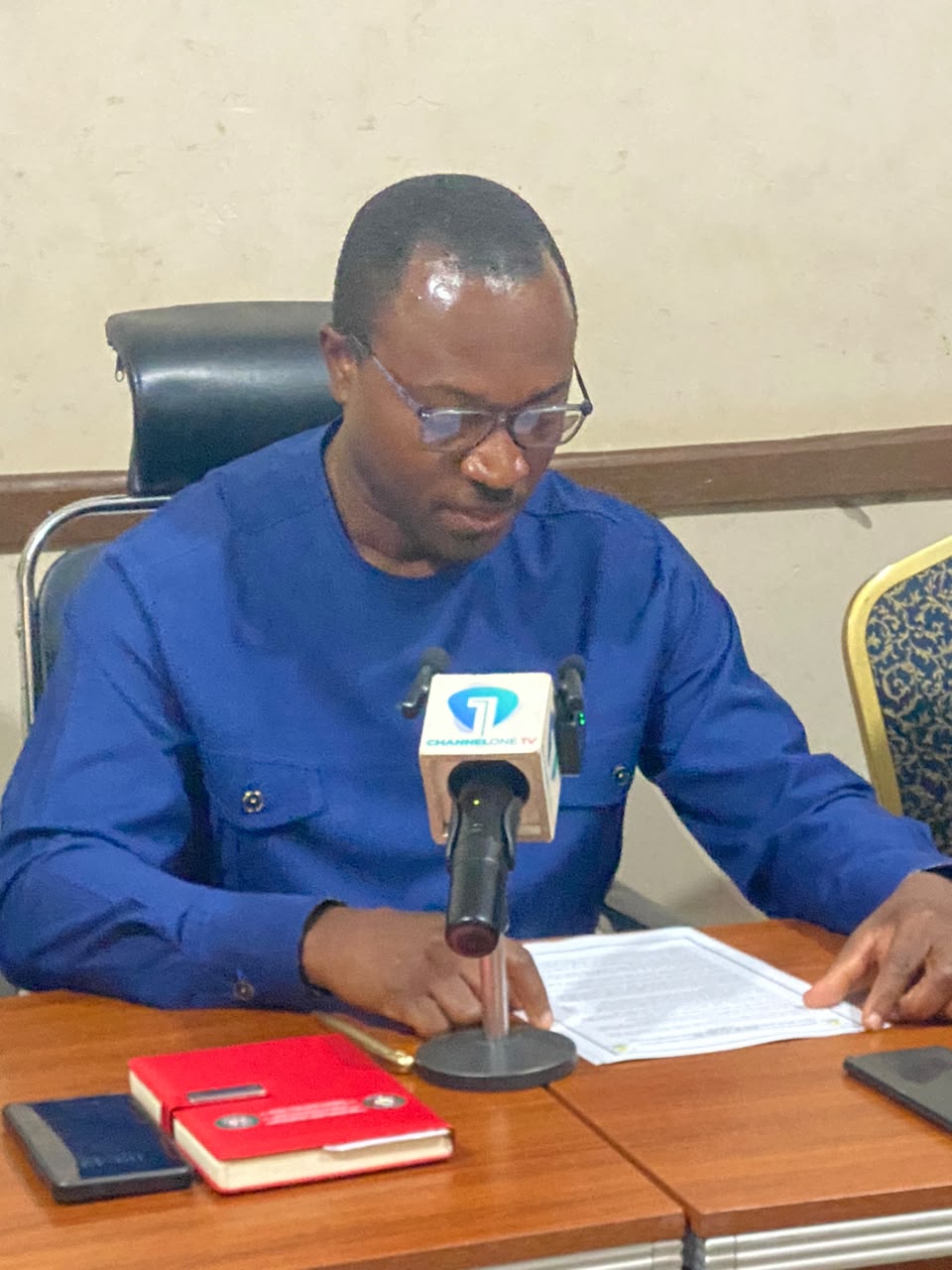
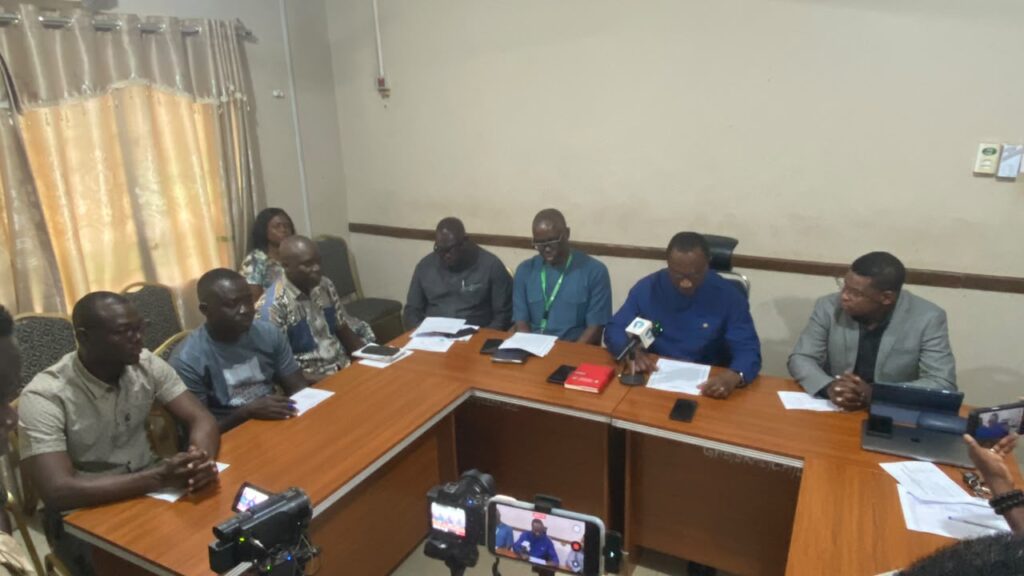
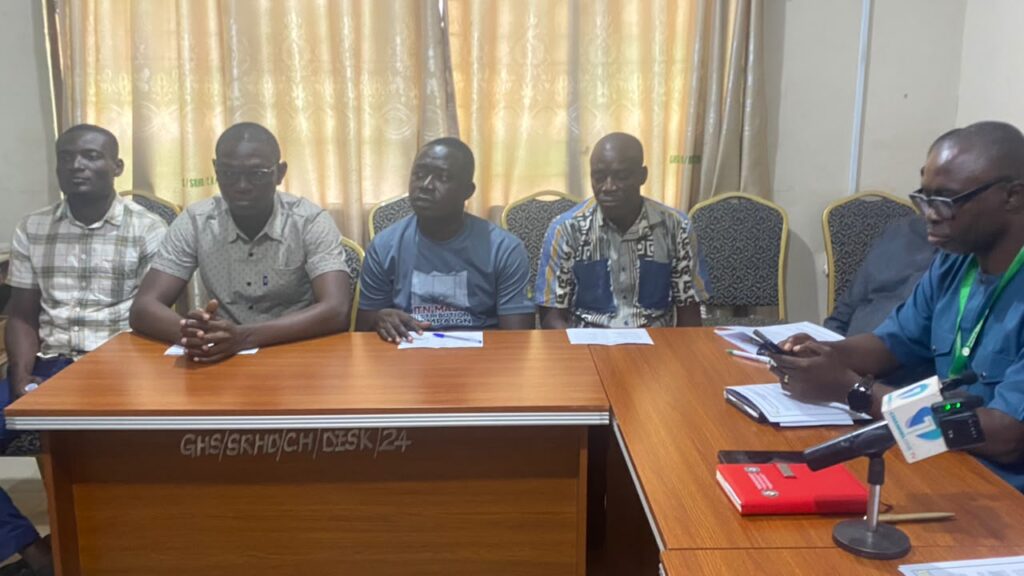
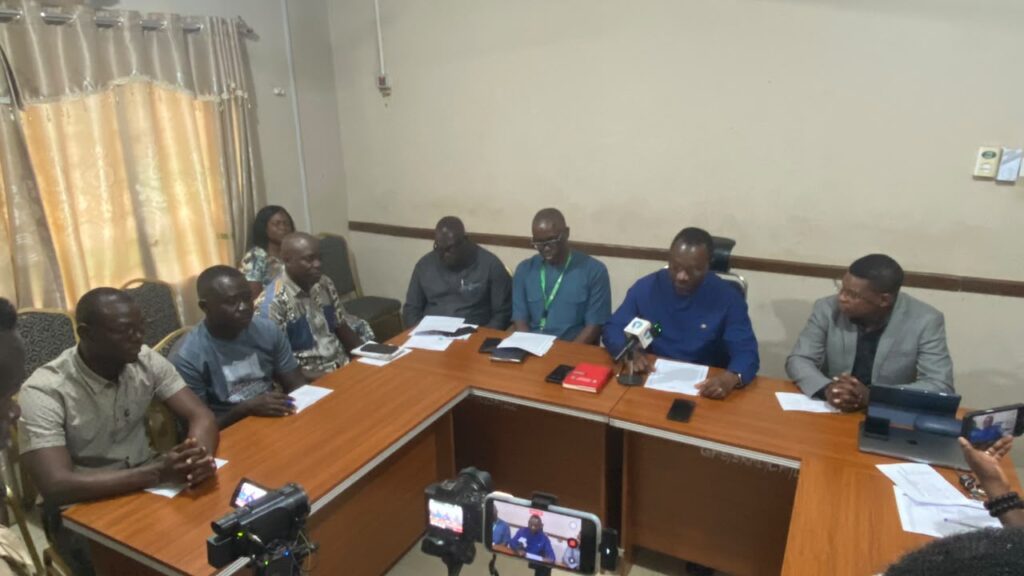
The call was made during a press briefing at the Savannah Regional Health Directorate Conference Hall in Damongo on Tuesday, October 20, ahead of a five-day Periodic Intensification of Routine Immunisation (PIRI) exercise scheduled for October 19 to 23, 2026.
The exercise, being implemented through the Ghana Health Service’s Expanded Programme on Immunisation (EPI), seeks to reach eligible girls who missed previous vaccination opportunities and strengthen protection against HPV-related diseases.
According to the Regional Director of Health Service Dr. John Ekow Otoo, cervical cancer remains a major public health concern in Ghana, ranking as the second leading cancer and cause of cancer-related deaths among women in the country.
The Regional Health Director cited estimates of approximately 3,000 new cervical cancer cases and 2,000 related deaths annually, stressing the need for increased public awareness, early prevention and improved access to vaccination and screening services.
He explained that HPV is a common viral infection transmitted primarily through sexual contact and other intimate skin-to-skin contact. While many infections clear naturally without causing health problems, persistent infection with certain types of the virus can lead to cervical cancer and other cancers affecting the anus, throat, vagina and penis.
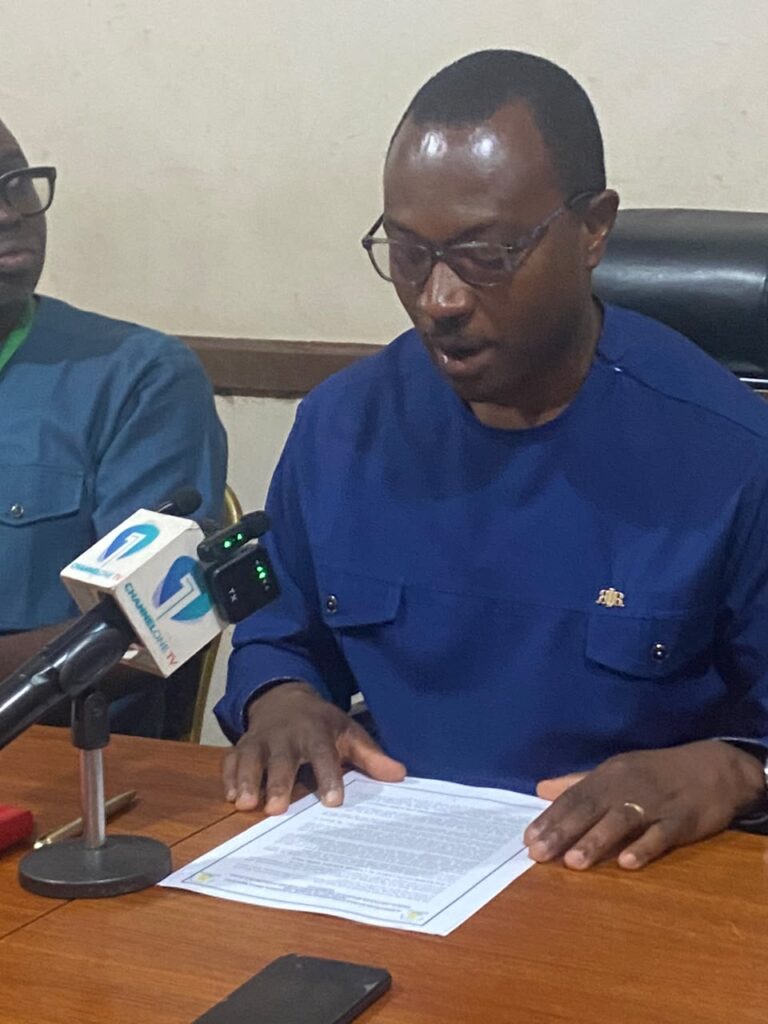
The Health Director emphasised that vaccinating girls before they become sexually active offers effective protection against HPV infection and significantly reduces their risk of developing cervical cancer later in life.
The Dr. John Ekow Otoo further disclosed that Ghana introduced a nationwide HPV vaccination campaign in October 2025 as part of efforts to protect girls against cervical cancer.
During the campaign, the country vaccinated approximately 1.9 million girls out of a target of 2.2 million, representing 84.5 per cent coverage.
However, about 300,000 girls reportedly missed the vaccination, with misinformation identified as one of the factors contributing to the shortfall.
In the Savannah Region, the campaign targeted approximately 48,500 girls across seven districts. The Directorate indicated that the region’s vaccination coverage fell below the national average, highlighting the need for renewed efforts to reach eligible girls.
The ongoing PIRI exercise is therefore expected to improve coverage by providing vaccination opportunities at public and private schools, as well as health facilities throughout the region.
The Regional Health Director assured the public that the HPV vaccine is safe, free and effective for girls within the target age group of 9 to 14 years.
He encouraged parents and guardians to take advantage of the exercise by ensuring that eligible girls receive the vaccine at designated schools and health facilities.
The Director also noted that girls and women outside the target age group may seek testing and vaccination services at a cost, subject to appropriate health guidance and service availability.
The Savannah Regional Health Director called on journalists and media organisations to intensify public education on HPV vaccination and help address misconceptions surrounding the vaccine.
He urged media practitioners to verify health-related information with the Ghana Health Service before publication, warning that misinformation could discourage parents from vaccinating their children and undermine efforts to prevent cervical cancer.
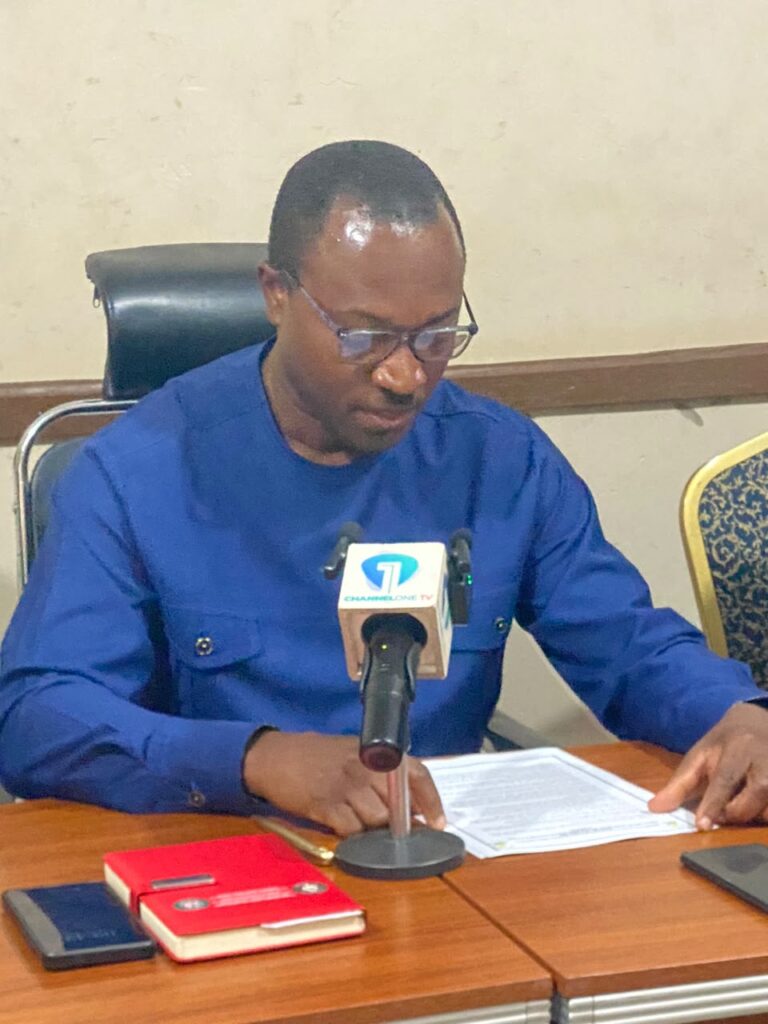
The Health Director stressed that the fight against HPV infections and cervical cancer requires collaboration between health professionals, the media, parents, community leaders and other stakeholders.
He expressed appreciation to media practitioners for their continued partnership in promoting public health and called for sustained awareness campaigns to ensure that no eligible girl is left unprotected.
Director John Ekow Otoo reiterated that HPV vaccination is a critical step towards preventing cervical cancer and safeguarding the health of girls and women in Ghana.
Source: Padfm.com.gh/Kumatey Gorden/0243531604