
By Abdulai Zulkaninu – 23rd January, 2026
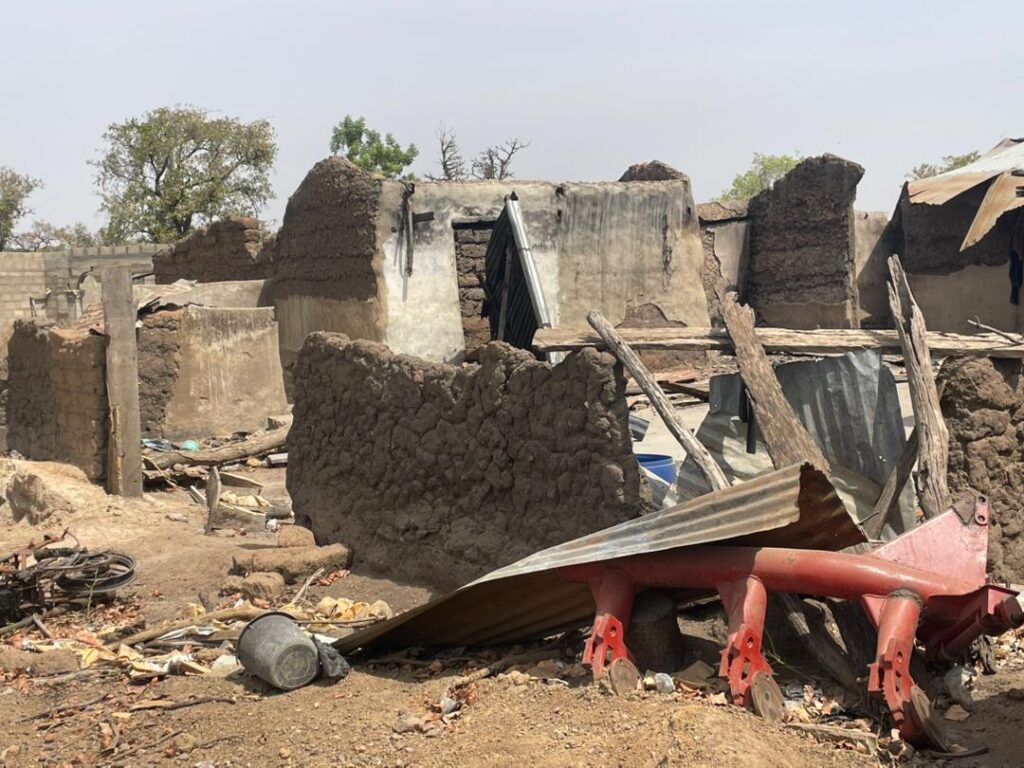
Community members in Gbinyiri and its neighbouring areas have expressed profound appreciation to the King and Overlord of the Gonja Kingdom, Jira Yagbonwura Bii-Kunu Jewu Soale I, and his chiefs for their role in restoring peace after the August 2024 violent conflict which claimed several lives and destroyed properties.
The residents further commended President John Dramani Mahama, the Sawla Tuna Kalba and Bole District Assemblies, security agencies, the government-appointed mediation committee, and all stakeholders whose collective intervention has helped stabilize the area.
A 56-year-old resident, Mwine Comfort, said the community is thankful for the successful peace process.
“We thank the Overlord of Gonja for his role in restoring peace to Gbinyiri. We also thank the Bolewura Sarfo Kutuge Feso I and all his sub-chiefs, the President, the two district assemblies and other stakeholders for helping bring peace back to Gbinyiri and surrounding communities,” she stated.
Another resident, Kaara Albert, noted the renewed sense of hope.
“We are happy the conflict is finally over. We can now live in peace and harmony and return to our farming activities,” he said.
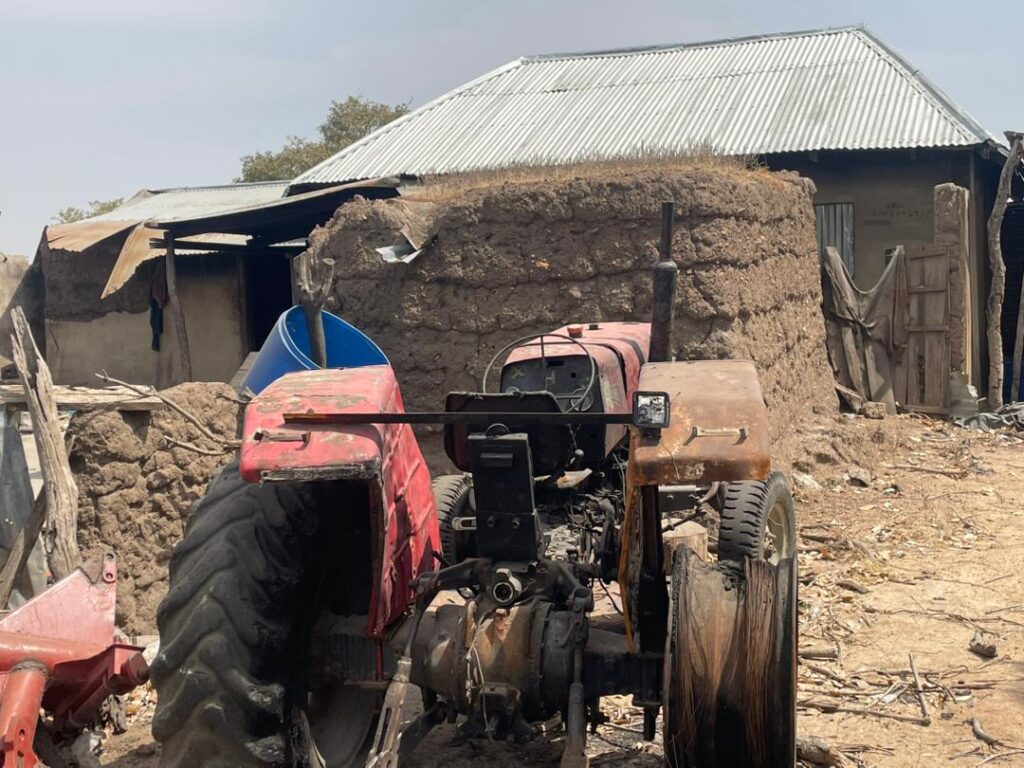
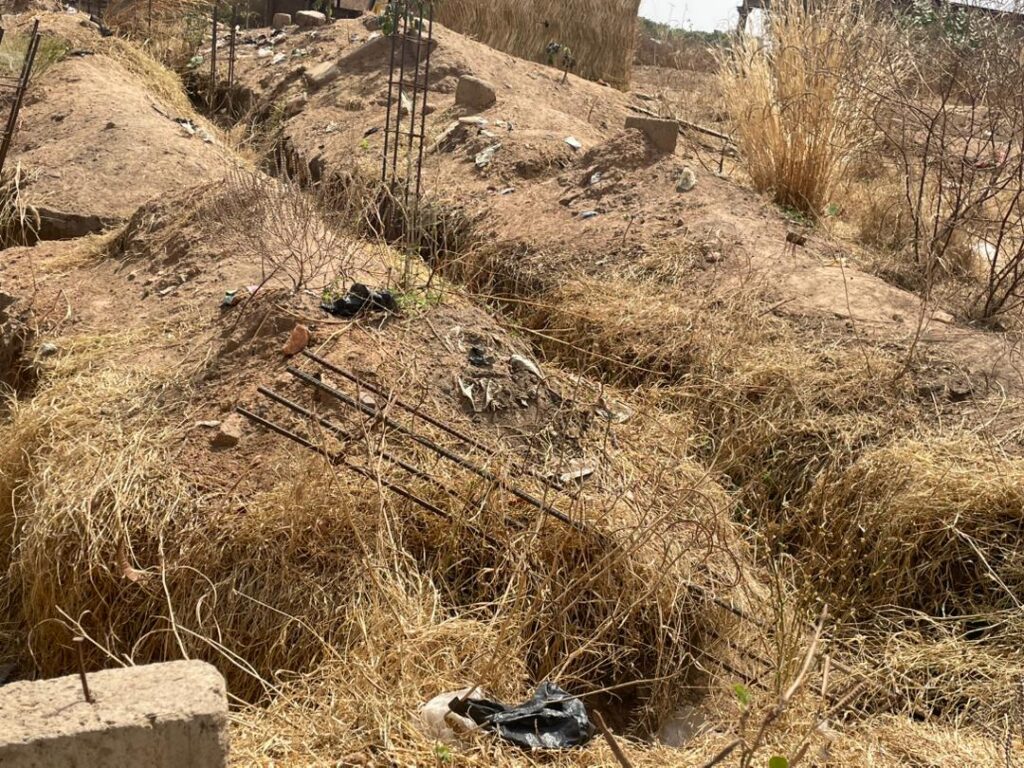
The August 2024 conflict recorded over 30 deaths and displaced families, attracting national attention. Since then, several measures have been undertaken to rebuild confidence and social cohesion.
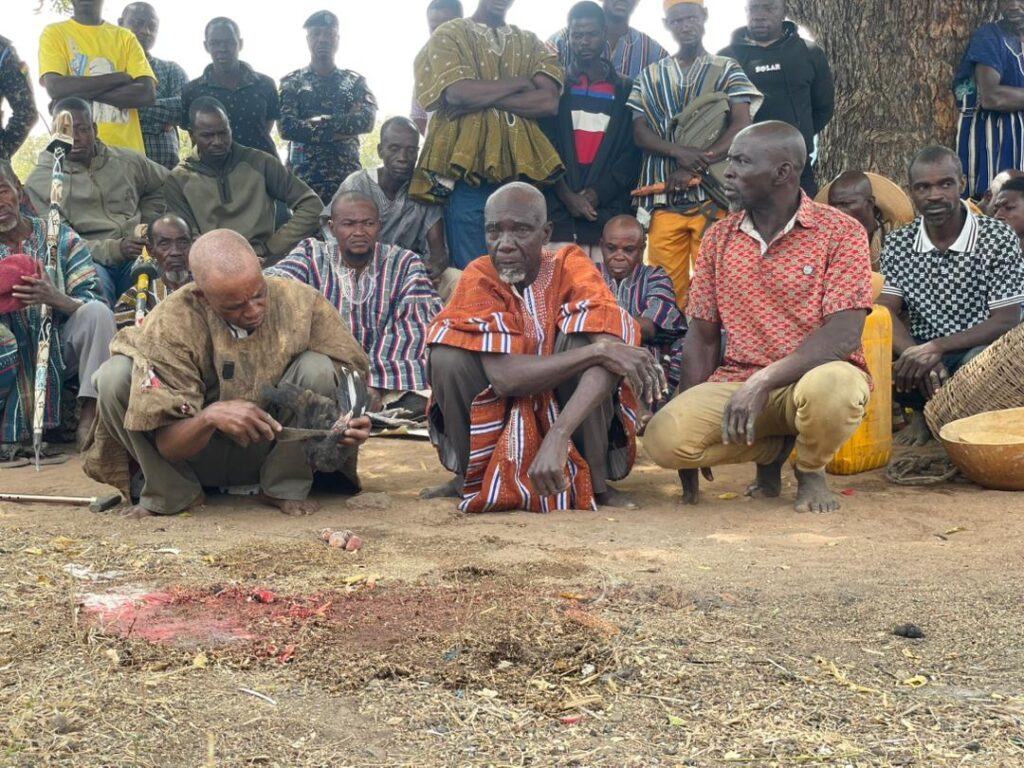
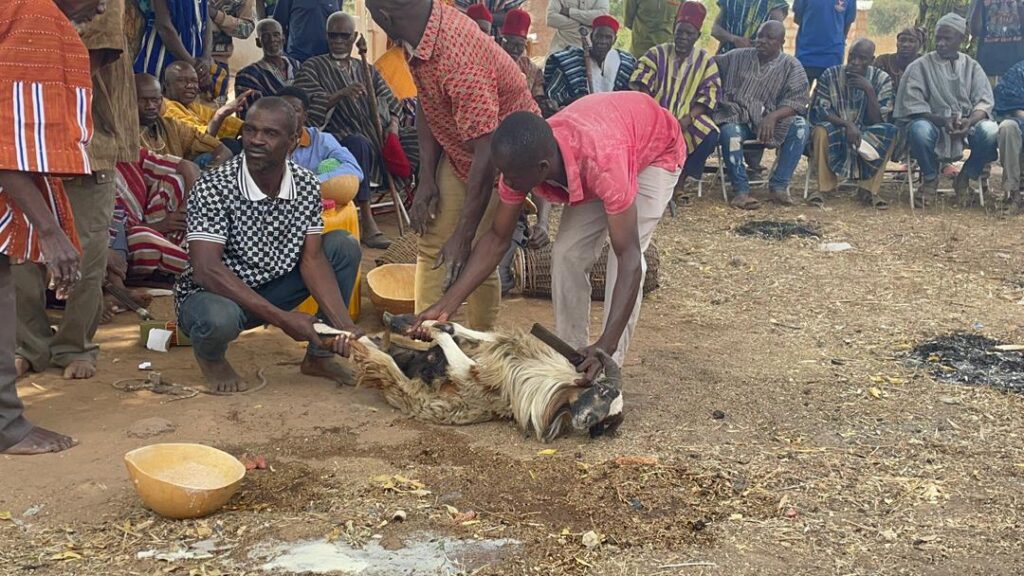
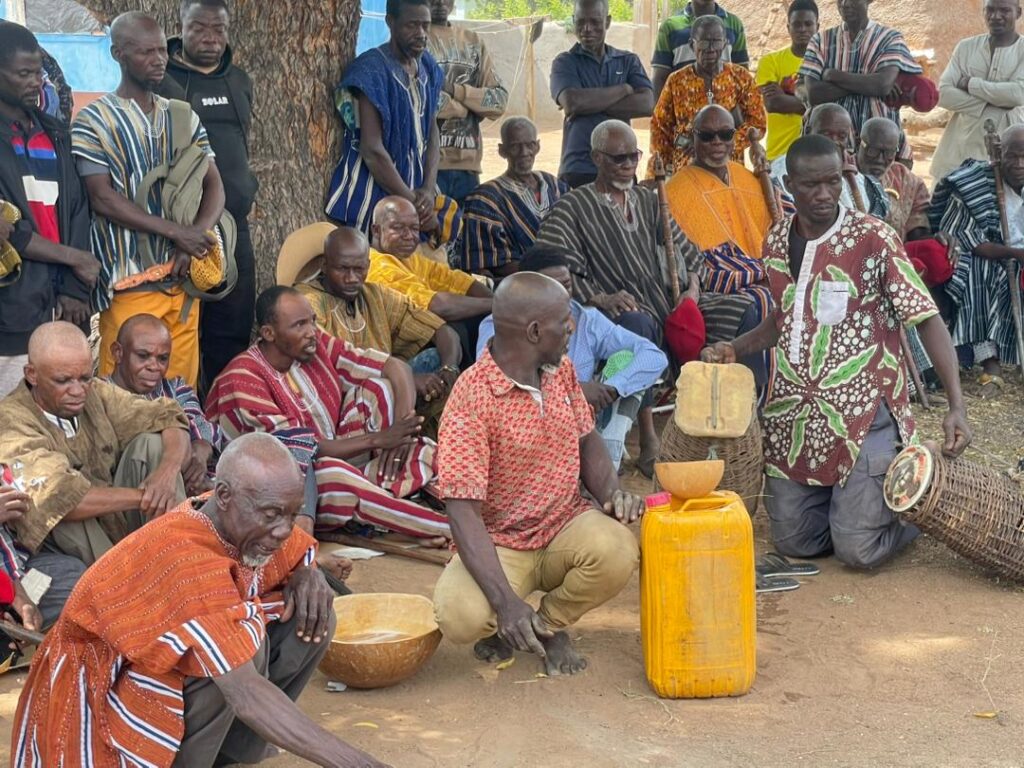
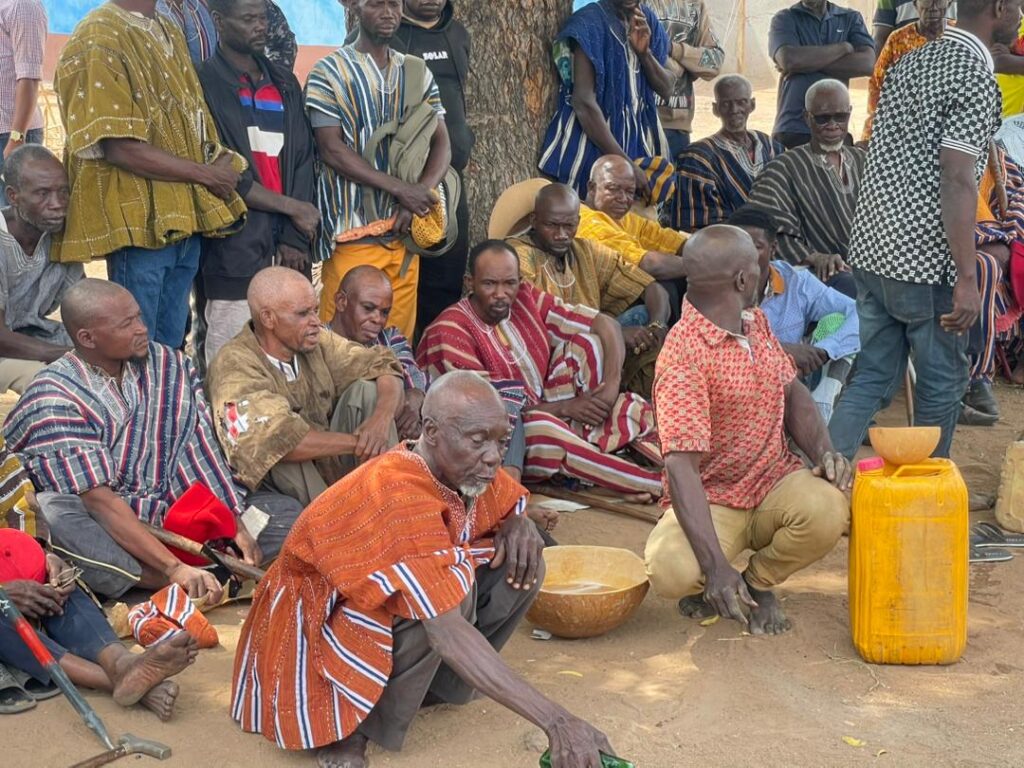
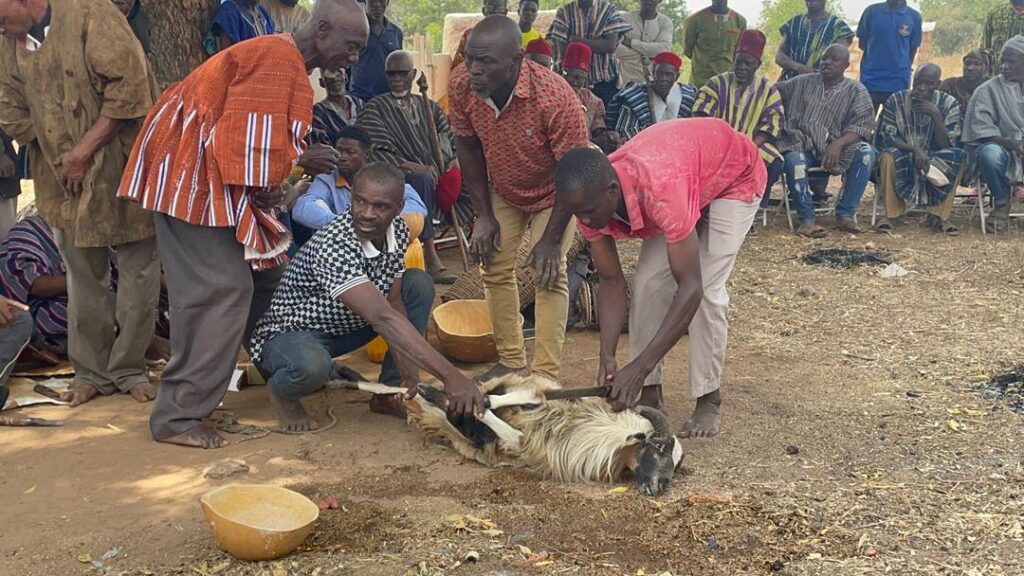
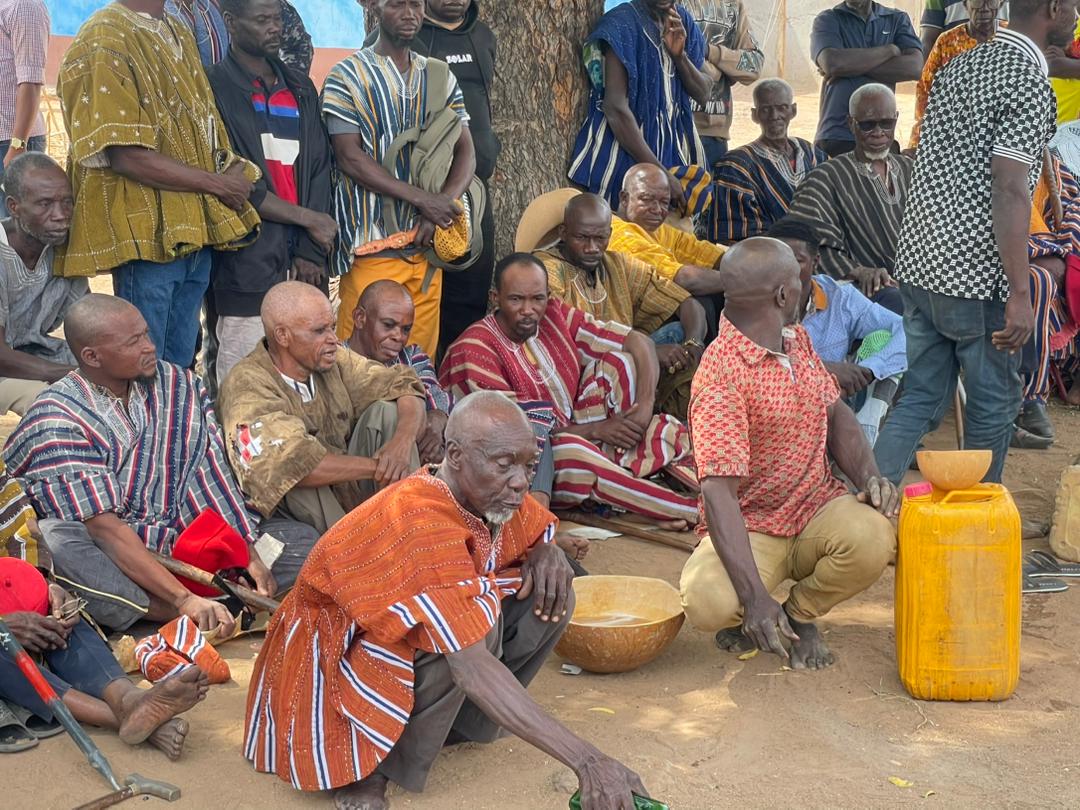
On Friday, 23rd January 2026, traditional leaders and land priests within the Gonja Kingdom performed major cleansing rites to spiritually heal the land and appease the gods and ancestors following the conflict.
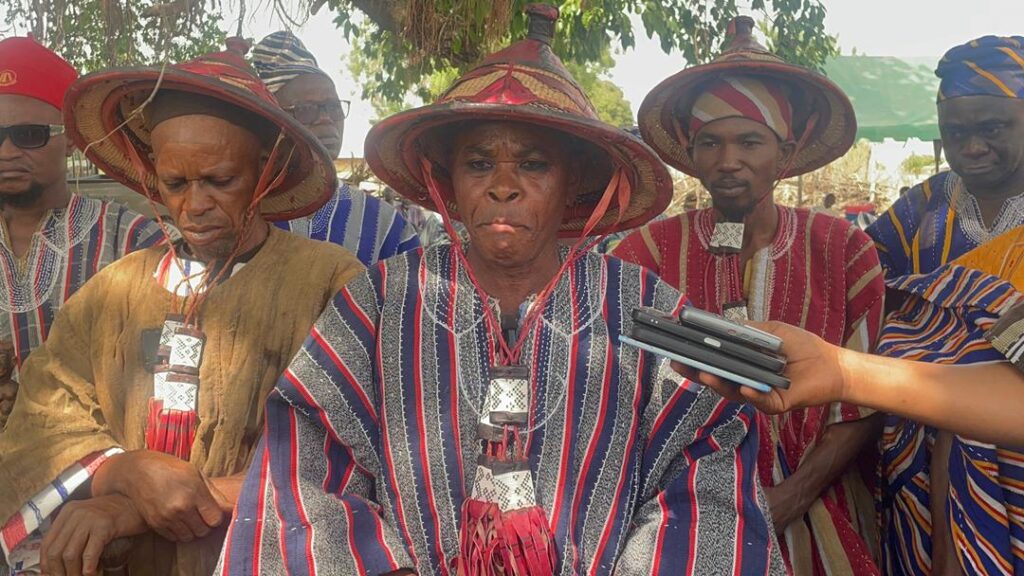
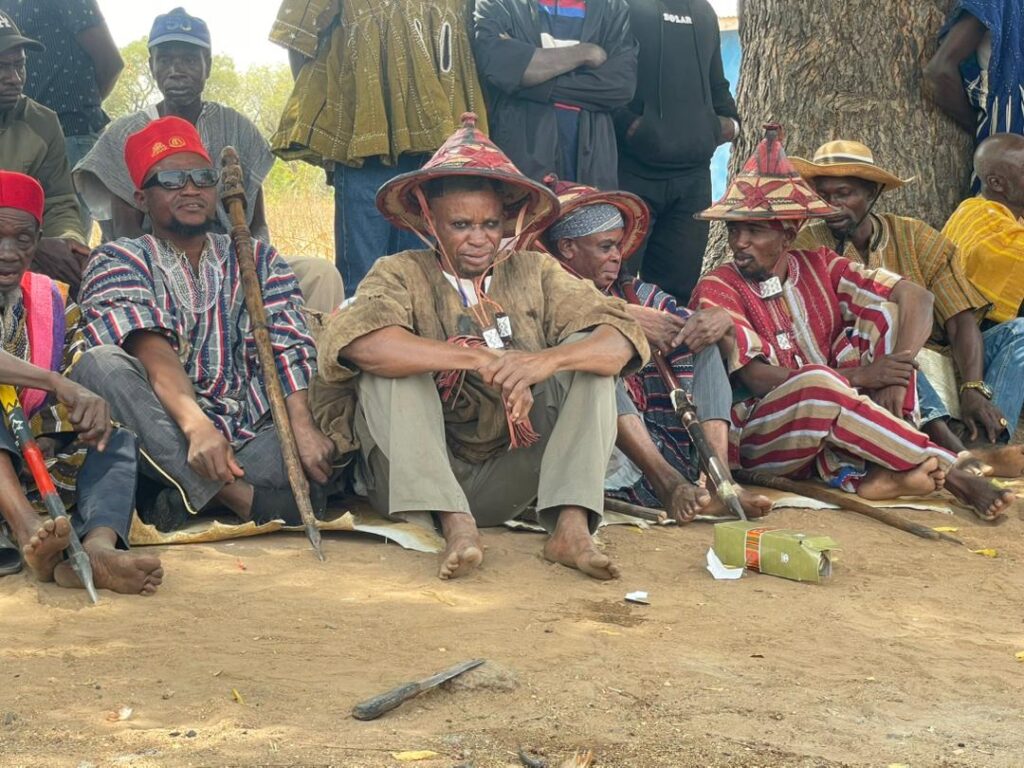
The rites, led by the Dagbigu community Chief Priest Heuhing Deleka, brought together elders, land custodians, traditional authorities, and other stakeholders. The ceremony took place in both Gbinyiri and Dagbigu, seeking forgiveness, protection, and lasting peace for the affected communities.
Traditional authorities emphasized that violent conflicts come with spiritual consequences, making purification rites necessary to restore balance, harmony, and prosperity.
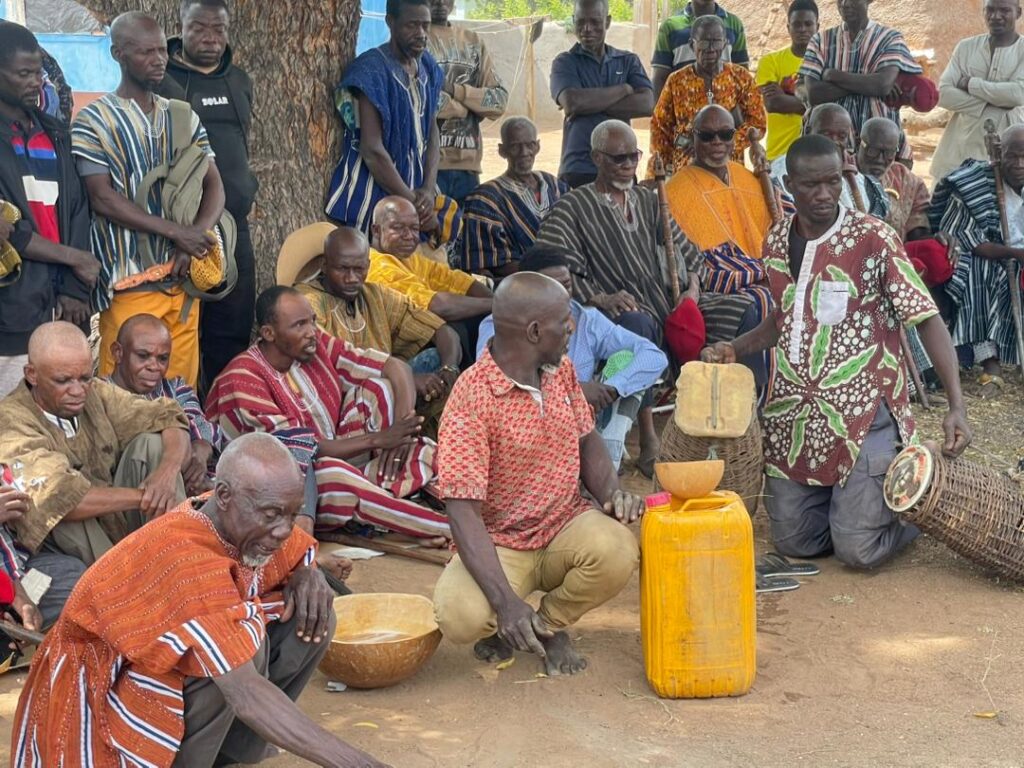
Chief Priest of the Tuna Area, Heuhing Mwiiri Kipo, expressed gratitude to the gods for accepting the sacrifices and granting peace. He described the conflict as tragic and far-reaching, noting the displacement of women and children, interruptions to healthcare and education, and destruction of farm produce which worsened the economic situation of residents.
He said the successful performance of the rites represents a renewed commitment to peace and coexistence, adding that such a tragedy should never recur.
He warned individuals or groups seeking to reignite violence that they would “face the wrath of the gods,” stressing that anyone who disturbs the peace of Gonjaland will not succeed.
A member of the government-appointed mediation committee and Savannah Regional Chairman of the National Peace Council, Rev. Fr. Lazarus Annyereh, described the ceremony as a moment of hope and reconciliation. He praised the traditional authorities for their leadership and noted that traditional and modern conflict resolution mechanisms must complement each other to achieve sustainable peace.
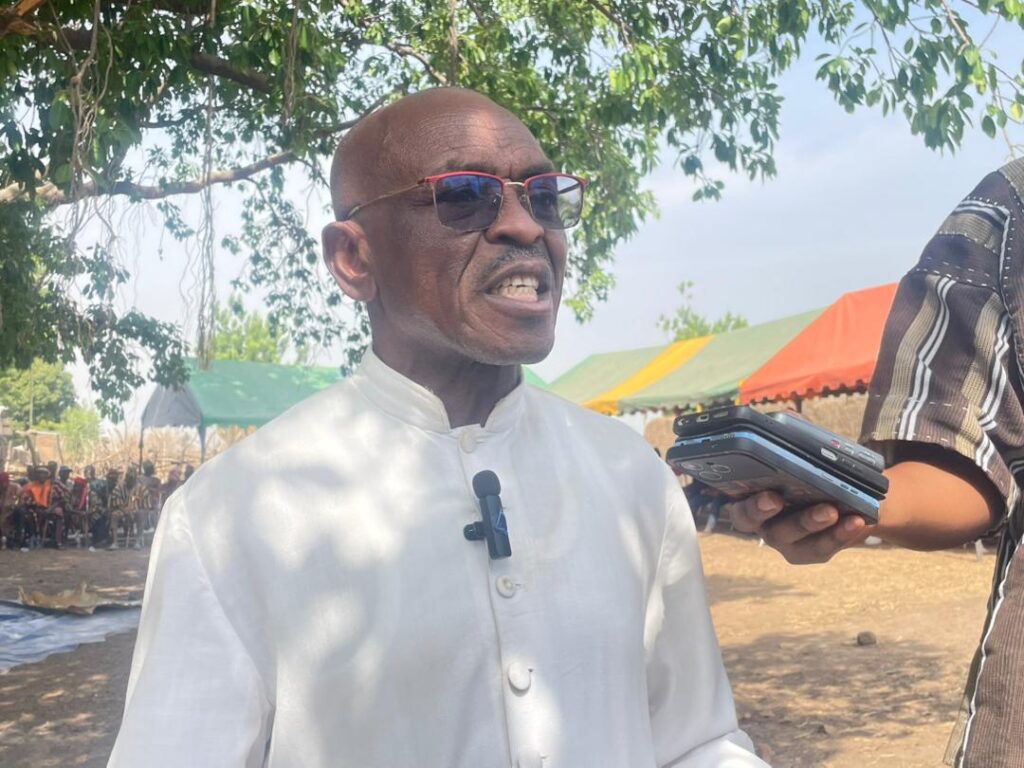
Rev. Fr. Lazarus added that his participation as a Catholic priest demonstrated the Church’s respect for African Traditional Religion as a promoter of peace, just like Christianity and Islam.
The ceremony was observed by chiefs from the Bole Traditional Area, security personnel, elders of the Brifor community, and media representatives—reflecting broad support for lasting peace in the region.
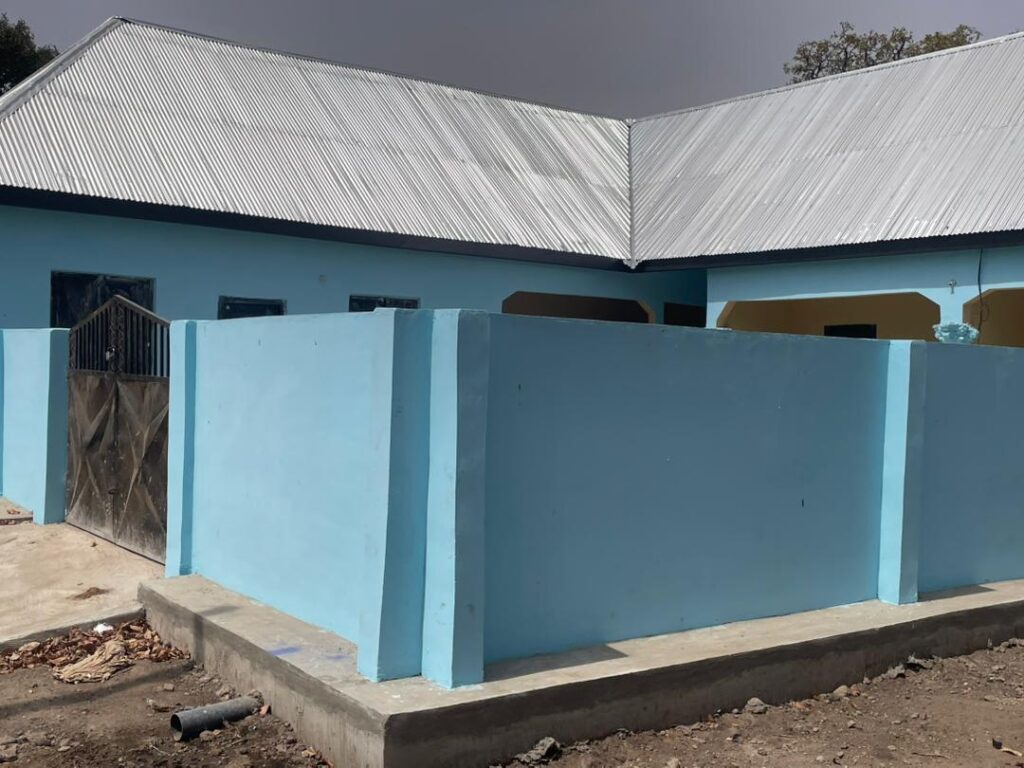
The rites symbolically marked the end of the Gbinyiri conflict, as communities now look to rebuild and embrace a future anchored in unity, harmony, and development.